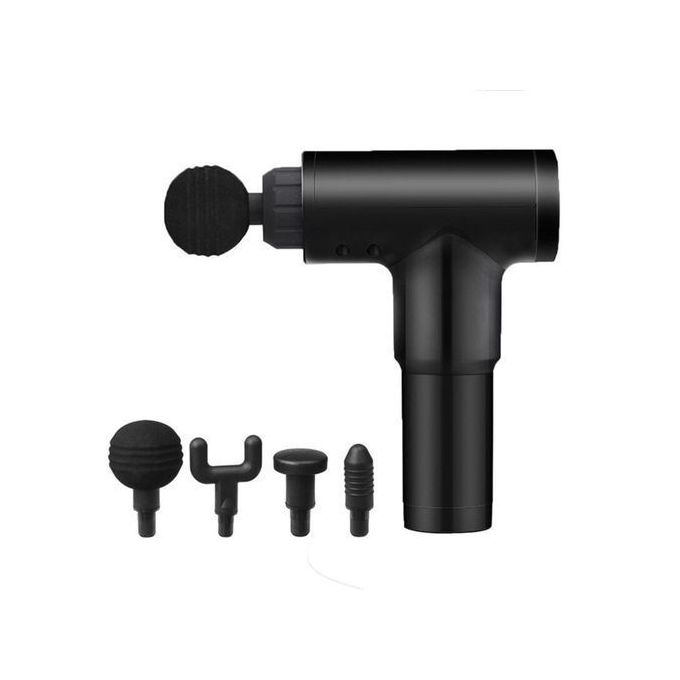
قالب يدوي لتغليف الزلابية
وفر 25%! اشترِ قالب يدوي لتغليف الزلابية بسعر 180 د.ل فقط في ليبيا. متوفر حالياً
🛒 تسوق الآن Libya Press
Egypt and Libya have taken a decisive step toward transforming healthcare delivery across North Africa. In high-level talks this week, senior officials agreed to deepen cooperation in pharmaceutical supply, medical industry localisation, training programmes, and healthcare infrastructure. The meeting signals a renewed commitment to regional integration and could reshape how millions access quality medical care.
The discussions brought together Egypt's Unified Procurement Authority (UPA) Chairperson Hisham Stait and Libyan Minister of Health Mohamed Al-Fouj, alongside a senior Libyan delegation comprising Mohamed Al-Atouq, Advisor for Pharmaceutical Affairs, Adel Al-Tajouri, Director of Planning, Sondos Azzam, Director of International Cooperation, and other key officials. Both sides underscored the strong historical ties between the two nations and their shared vision for healthcare advancement.
At the heart of the talks lies Egypt's remarkable pharmaceutical expansion. The number of manufacturing facilities has surged from approximately 150 to nearly 180 factories in recent years. This growth represents one of the most significant industrial expansions in the region's healthcare sector.
Egypt's Unified Procurement Authority, one of five foundational institutions established under the country's comprehensive healthcare reform framework, serves as the centralised body for acquiring pharmaceuticals, medical supplies, and medical devices. The authority ensures quality benchmarks while achieving cost efficiency across the entire healthcare system.
To attract further investment, the UPA offers structured incentive mechanisms including off-take agreements and guaranteed market participation. These tools are designed to encourage companies to invest in localisation programmes, strengthening domestic manufacturing capabilities across the medical sector.
The Libyan delegation expressed particular interest in Egypt's network of strategic medical warehouses, which employ advanced technological infrastructure and intelligent management systems. These facilities maintain secure reserves of medicines, medical supplies, and equipment, safeguarding pharmaceutical security through smart operating systems.
"Egypt's strategic warehouse model represents a leading example of modern medical supply chain management," the Libyan delegation noted, expressing a strong desire to benefit from Egypt's expertise in this critical field. For a nation rebuilding its healthcare infrastructure after years of instability, access to proven supply chain solutions could be transformative.
For Libyan citizens, the implications are profound. Libya's healthcare sector has faced significant challenges including supply chain disruptions, limited domestic pharmaceutical production, and a shortage of trained professionals. A partnership with Egypt — the region's largest pharmaceutical producer — could address all three gaps.
Egyptian medical products already meet high-quality standards and hold internationally recognised certifications, making them well-positioned to support the development of Libya's healthcare sector. The planned training programmes will build local capacity, while localisation initiatives could eventually see pharmaceutical manufacturing facilities established within Libya itself.
Minister Al-Fouj praised Egypt's leading role in advancing healthcare systems across the region and expressed Libya's commitment to drawing on Egyptian knowledge, particularly in medical industry localisation and professional development. "Accessing such high-standard products would substantially support healthcare advancement for Libyan citizens," he stated.
Both nations concluded their discussions with a commitment to sustained coordination in the coming period. Ongoing dialogue will focus on advancing cooperation in healthcare services, pharmaceutical supply chains, and the localisation of medical industries, with the aim of achieving mutually beneficial outcomes.
This partnership represents more than bilateral diplomacy — it is a blueprint for regional health security in North Africa. As both countries advance toward healthcare modernisation, the ultimate beneficiaries will be millions of patients who depend on accessible, affordable, and high-quality medical care.
— LibyaPress / Health Desk