
مكنسة شفط الغبار الاحترافية
وفر 25%! اشترِ مكنسة شفط الغبار الاحترافية بسعر 369 د.ل فقط في ليبيا. متوفر حالي
🛒 تسوق الآن Libya Press
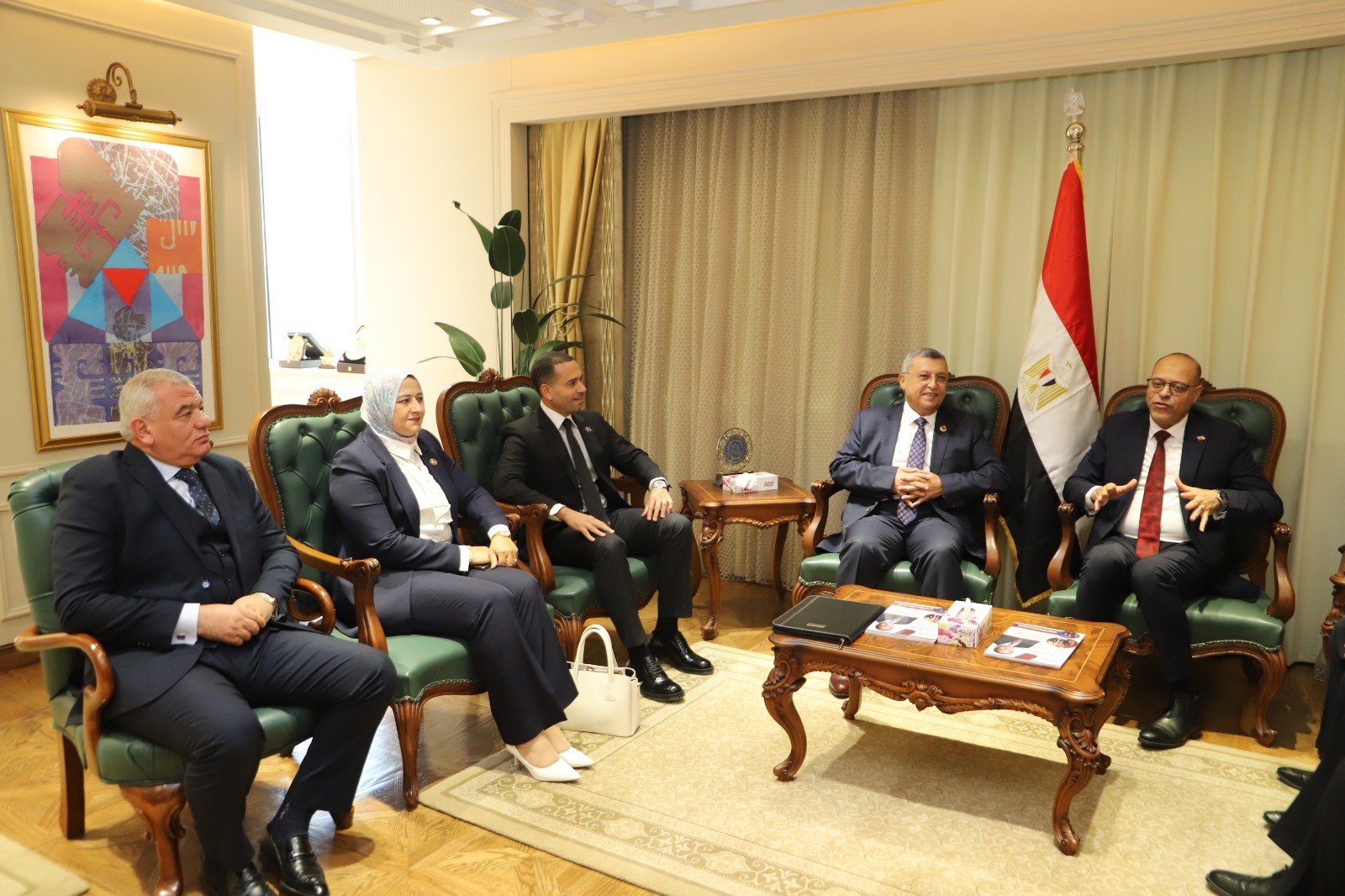
Libyan House Speaker and President of the Asian-African Parliamentary Council, Counselor Aqila Saleh, held a series of high-level meetings on Monday evening in Benghazi with parliamentary delegations from Somalia, China, Pakistan, and South Sudan. The gatherings took place on the sidelines of the 2nd General Conference of the Asian-African Parliamentary Council, hosted by the city of Benghazi with participation from dozens of Asian and African nations.
The Somali Senate delegation included three prominent members: Bilal Idris Abdullah, Abdul Qani Jilali Mohamed, and Faisal Mohamed Abdul Karim. The meeting focused on strengthening parliamentary relations between Libya and the Federal Republic of Somalia, developing cooperation and coordination mechanisms between the two legislative institutions, and exchanging expertise in parliamentary and legislative affairs.
According to Belhaq, the discussions addressed the importance of activating the role of the Asian-African Parliamentary Council in strengthening dialogue and cooperation among member parliaments. Both sides emphasized unifying efforts toward issues of common interest that serve the goals of development and stability across member states. The meetings also explored ways to expand areas of cooperation and partnership and support joint parliamentary action on shared challenges facing Asian and African nations.
The Libyan-Somali meeting specifically examined mechanisms for developing coordination between the two legislative bodies, exchanging parliamentary expertise, and enhancing bilateral relations in ways that serve the mutual interests of both countries. These discussions reflect a broader diplomatic push by Libya to reassert its leadership role in pan-African and Asian-African parliamentary diplomacy.
The Benghazi conference marks a significant moment for Libya's international engagement. Hosting the 2nd General Conference of the Asian-African Parliamentary Council signals Libya's commitment to multilateral diplomacy at a time when the country continues to navigate complex internal political dynamics. Aqila Saleh's meetings with four separate delegations in a single evening underscore the strategic importance Libya places on building parliamentary bridges across the Global South.
The discussions with the Chinese ambassador Ma Shuoliang covered Libyan-Chinese relations and prospects for enhancing cooperation across multiple sectors, alongside support for parliamentary coordination between the two nations. Similarly, the engagement with Pakistan and South Sudan reflects Libya's intent to diversify its parliamentary partnerships beyond traditional regional allies.
For Libya, these parliamentary diplomacy efforts carry direct significance. Stronger ties with Somalia and other African nations can open doors for Libyan investment, trade, and political support in international forums. The Asian-African Parliamentary Council provides Libya with a platform to amplify its voice on continental issues — from migration and security to economic development and sovereignty. As Libya works to stabilize and rebuild, these multilateral relationships are not symbolic; they are strategic assets that can translate into tangible benefits for the Libyan people.
The outcomes of these meetings are expected to feed into formal resolutions at the closing session of the Benghazi conference. With Libya holding the presidency of the Asian-African Parliamentary Council, Aqila Saleh is positioned to shape the council's agenda for the coming term — a role that could bring increased international attention and opportunity to the country. For Libyans watching their nation's diplomatic resurgence, these developments offer a reason for cautious optimism.
— LibyaPress / Politics Desk