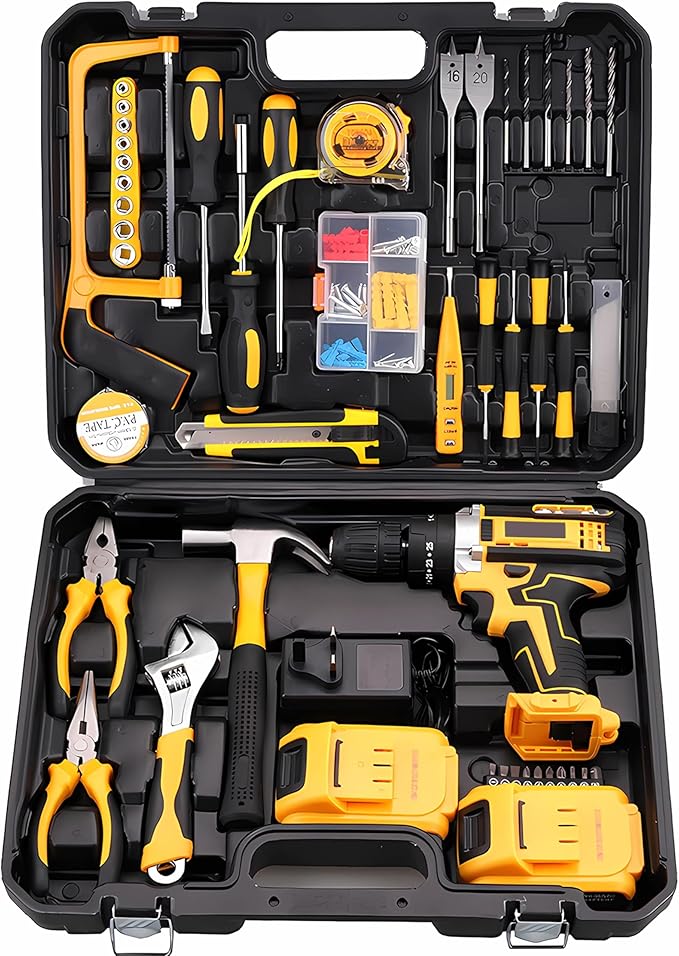
طقم أدوات كهربائية بقوة 48 فولت
وفر 23%! اشترِ طقم أدوات كهربائية بقوة 48 فولت بسعر 549 د.ل فقط في ليبيا. متوفر
🛒 تسوق الآن Libya Press
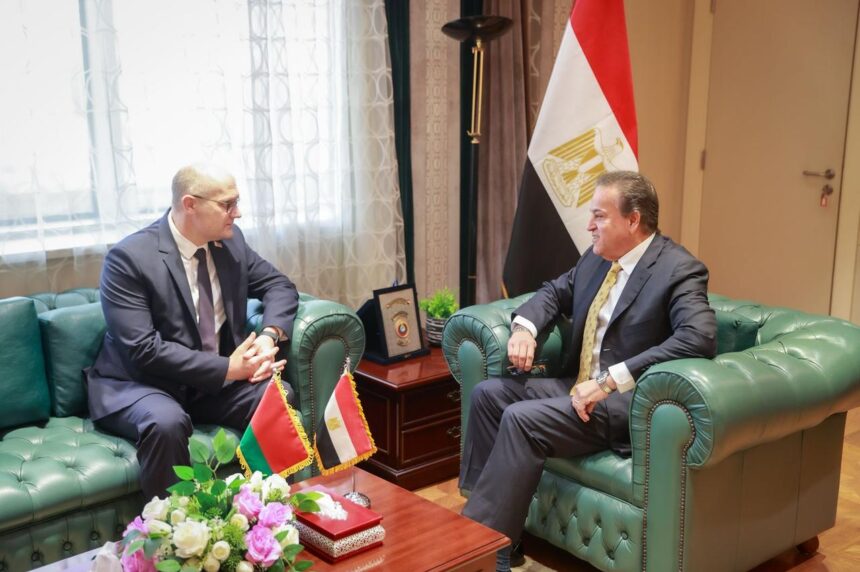
Egypt and Libya have taken a decisive step toward transforming healthcare delivery in North Africa. On June 14, 2026, senior officials from both nations met in Cairo to discuss an expanded cooperation framework spanning pharmaceutical supply, medical industry localisation, training programmes, and healthcare infrastructure. The meeting signals a deepening of fraternal ties and a shared commitment to regional health security.
Hisham Stait, Chairperson of Egypt's Unified Procurement Authority (UPA), hosted the Libyan delegation and outlined the institution's central role in Egypt's healthcare reform. The UPA is one of five key bodies established to modernise the country's health system, responsible for centralised procurement of pharmaceuticals, medical supplies, and devices. Stait emphasised that the authority ensures quality standards while achieving cost efficiency — a balance that has allowed Egypt to expand its domestic pharmaceutical sector significantly.
The UPA chairperson also highlighted Egypt's strategic medical warehouse network, which uses advanced infrastructure and smart operating systems to maintain secure, sustainable stockpiles. These facilities are considered critical to Egypt's medical and pharmaceutical security, and the Libyan delegation described the model as "a leading example of modern medical supply chain management."
Libyan Minister of Health Mohamed Al-Fouj praised Egypt's leading role in advancing healthcare systems across the region. He expressed Libya's clear interest in drawing on Egypt's experience, particularly in three areas: medical industry localisation, professional training programmes, and the procurement of Egyptian pharmaceuticals and medical products. Al-Fouj noted that Egyptian medical products meet high-quality standards and are well positioned to support the development of Libya's healthcare sector and improve medical services for Libyan citizens.
The Libyan delegation included senior officials: Mohamed Al-Atouq, Advisor to the Minister for Pharmaceutical Affairs; Adel Al-Tajouri, Director of Planning; Sondos Azzam, Director of International Cooperation; Adnan Issa, Director of the Minister's Office; and Hannibal Khamaj — underscoring the high-level commitment from Tripoli.
For ordinary Libyans, this partnership could mean tangible improvements in healthcare access and affordability. Libya's health sector has faced significant challenges in recent years, including supply chain disruptions and limited domestic pharmaceutical production. By partnering with Egypt — which has nearly 180 pharmaceutical factories and a proven procurement model — Libya can accelerate its own healthcare modernisation without starting from scratch.
The focus on localisation is particularly significant. Rather than simply importing finished products, the cooperation aims to transfer knowledge and technology that would enable Libya to build its own medical manufacturing capacity. This approach aligns with broader regional trends toward self-sufficiency in essential goods and reduced dependence on distant supply chains.
This bilateral initiative reflects a wider movement across North Africa toward regional integration in healthcare. Egypt has positioned itself as a hub for medical expertise and pharmaceutical production, and its willingness to share institutional knowledge with Libya strengthens the entire region's health security architecture.
Both sides have committed to continued coordination in the coming period, with the aim of achieving mutually beneficial outcomes. If formalised, this partnership could serve as a blueprint for similar cooperation between Egypt and other nations in the region — making June 2026 a pivotal month for healthcare diplomacy in North Africa.
— LibyaPress / Health Desk