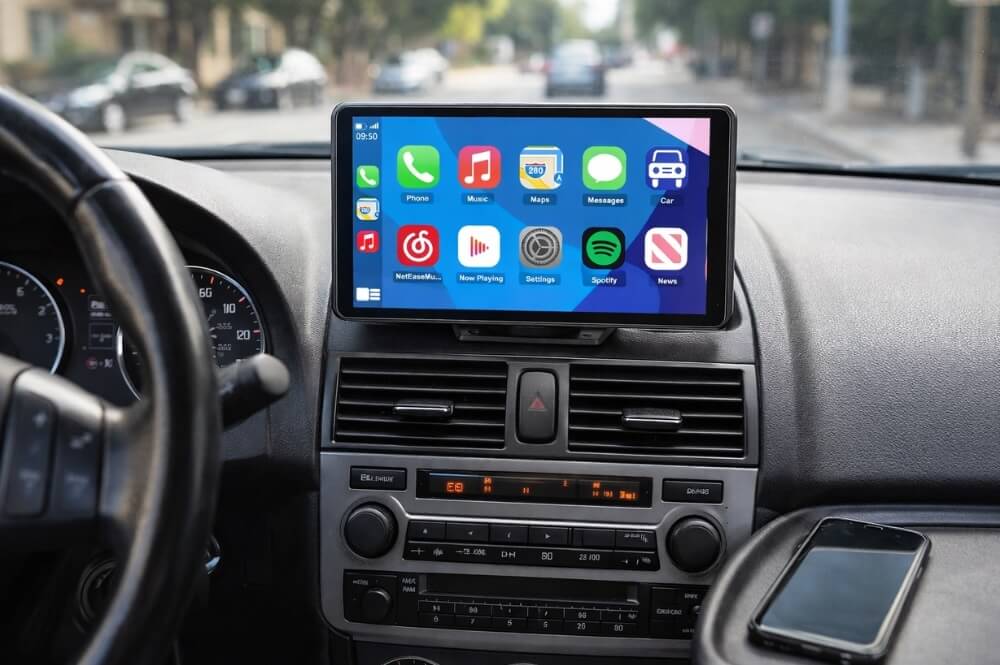
شاشة سيارة لاسلكية
وفر 27%! اشترِ شاشة سيارة لاسلكية بسعر 1065.6 د.ل فقط في ليبيا. متوفر حالياً، ال
🛒 تسوق الآن Libya Press
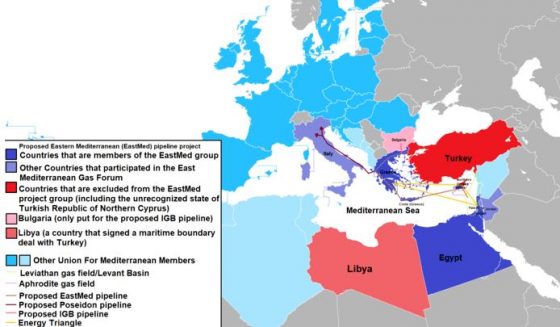
A decade ago, the answer to who controlled the Eastern Mediterranean was simple: whoever produced the most gas. Today, influence over regional gas belongs not to countries with the largest reserves but to those controlling the infrastructure gas must pass through — and Egypt and Turkey are increasingly emerging as the clear frontrunners. This fundamental shift is redrawing energy alliances across the MENA region in 2026, with Libya sitting at the crossroads of these competing ambitions.
The Eastern Mediterranean holds an estimated 3.5 trillion cubic meters of natural gas across the exclusive economic zones of Israel, Lebanon, Egypt, Cyprus, Turkey, and Palestine. But the era of "who has the most gas" is over. The new battleground is infrastructure — pipelines, liquefaction plants, and export terminals that determine whose gas reaches European and global markets. Egypt's Idku and Damietta LNG plants, with combined capacity exceeding 17 million tons per year, position Cairo as the region's primary gas export hub. Turkey, meanwhile, is leveraging its strategic location and pipeline network to position itself as the indispensable transit corridor.
"The countries that control the pipes and the ports will write the rules of Eastern Mediterranean energy politics for the next two decades," said Dr. Gawdat Bahgat, a professor of political science at the National Defense University. "Egypt's LNG infrastructure gives it enormous leverage, but Turkey's geographic position as a bridge to Europe is equally powerful. The question is not who has more gas — it's who controls the route."
For Libya, the Eastern Mediterranean gas race is far from a distant geopolitical game. Libya shares maritime boundaries with the contested zones and has its own significant offshore gas reserves in the Mediterranean. The outcome of the Egypt-Turkey infrastructure competition will directly impact Libya's ability to develop and export its own gas resources. Any regional energy framework that excludes Libya risks leaving billions of cubic meters of Libyan gas stranded offshore. Moreover, the deepening polarization between the Egypt-Cyprus-Greece-Israel bloc and Turkey creates pressure on Tripoli to align with one side — a delicate balancing act for a country still navigating internal political divisions. Libyan policymakers must engage actively in regional energy diplomacy to ensure the country's maritime rights and resource potential are not sidelined by deals made over their heads.
The Eastern Mediterranean energy landscape in 2026 is defined by infrastructure competition, shifting alliances, and unresolved conflicts. As Egypt consolidates its position as the region's gas hub and Turkey pushes its pipeline ambitions, the window for Libya to secure its place in the regional energy architecture is now. The decisions made in Cairo, Ankara, Athens, and Tel Aviv in the coming months will shape North Africa's energy future for decades. For Libyans, staying informed and engaged in this evolving story isn't optional — it's essential to protecting the nation's strategic interests in the Mediterranean.
— LibyaPress / Politics Desk