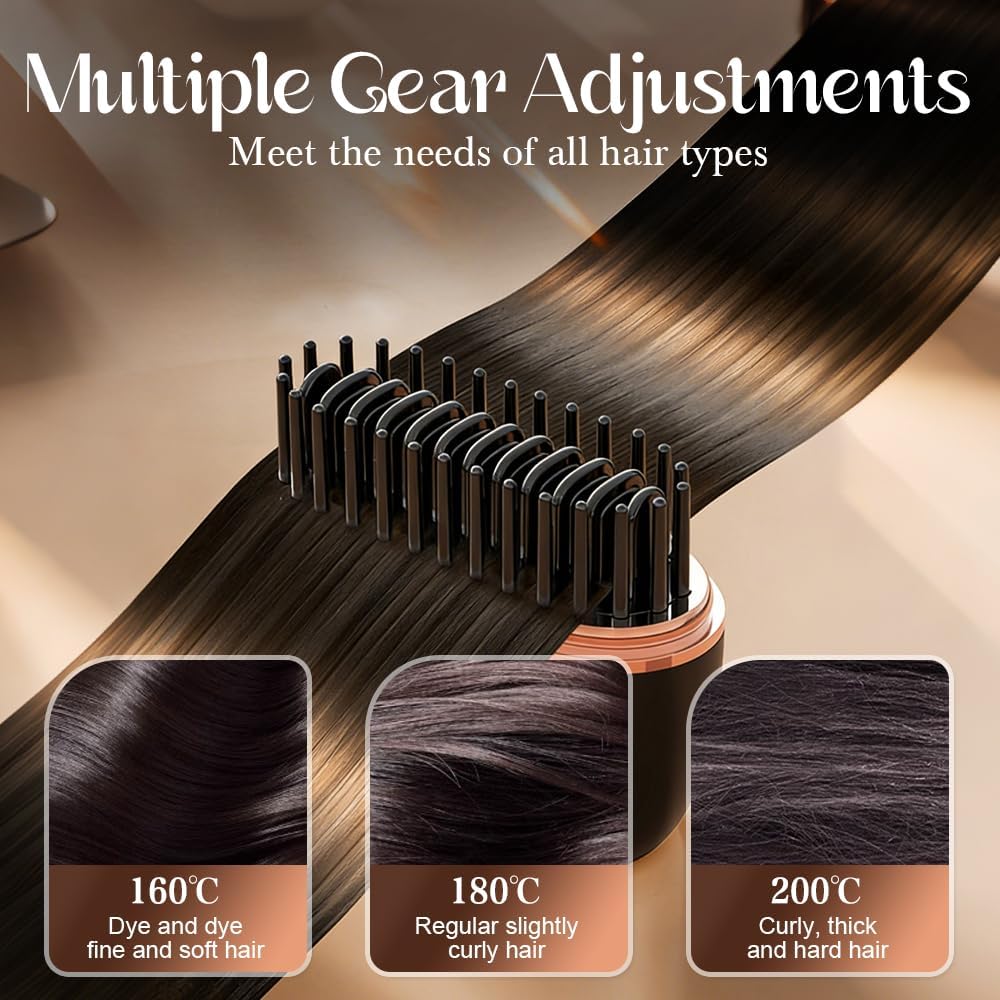
مكواة شعر صغيرة لاسلكية
وفر 9%! اشترِ مكواة شعر صغيرة لاسلكية بسعر 316.8 د.ل فقط في ليبيا. متوفر حالياً،
🛒 تسوق الآن Libya Press
In a major development for Libya's stalled political process, Egypt and the United States have reached a comprehensive agreement to support the Libyan political track and push for the unification of the country's divided institutions as a precursor to holding presidential and parliamentary elections. The understanding, brokered through recent high-level consultations, signals renewed international momentum behind resolving Libya's decade-long crisis.
The Egyptian-American consensus builds on ongoing diplomatic efforts that have intensified in recent months. According to diplomatic sources, the agreement encompasses support for a unified executive authority, the restructuring of sovereign institutions, and a clear roadmap to elections under international supervision.
This alignment comes as the Trump administration has adopted a pragmatic approach to the Libyan file, focusing on gradual economic and security steps that Washington believes can lay the groundwork for ending the political division between eastern and western Libya.
Central to the understanding is the formation of a high-level committee to oversee the electoral track. The committee will include representatives from the Central Bank of Libya, the High National Elections Commission, the 5+5 Joint Military Commission, and security representatives from across the country.
Masoud Bouls, the U.S. Special Envoy for African Affairs, has been at the forefront of the American diplomatic push. In recent statements, Bouls outlined an initiative that prioritizes unifying the executive authority between eastern and western Libya as a foundational step before any electoral process can succeed.
The American approach has focused on building consensus among key regional players, including Egypt, Saudi Arabia, and Turkey, reflecting an understanding that no lasting political solution in Libya can be achieved without broad regional buy-in.
Beyond the Egyptian-American axis, the agreement has drawn in other key stakeholders. Saudi Arabia and Turkey have also aligned with the broad outlines of the initiative, creating a rare quadrilateral consensus on the Libyan file that represents one of the most unified international positions on Libya in recent years.
Egypt's role has been particularly pivotal. Given its geographical proximity and deep tribal and political ties with Libya, Cairo has positioned itself as an indispensable broker. Egyptian efforts have focused on bringing Libyan actors from both east and west to the negotiating table while emphasizing the need to preserve Libya's territorial integrity.
Despite diplomatic progress, significant obstacles remain. The division of the executive authority between the Government of National Unity in Tripoli and the parallel government in the east continues to be the primary stumbling block. Armed groups, competing economic interests, and the absence of a unified security apparatus all pose threats to any political roadmap.
The issue of foreign mercenaries and fighters, estimated in the thousands, also remains unresolved. Both Egyptian and American officials have stressed that the withdrawal of foreign forces is a prerequisite for stable elections, though agreement on a timeline has proven elusive.
The Egyptian-American agreement injects fresh momentum into a process that has repeatedly stalled since the failed 2021 election attempt. However, diplomats caution that international consensus alone is insufficient without genuine commitment from Libyan actors themselves.
For ordinary Libyans who have endured years of instability, economic hardship, and intermittent conflict, the renewed diplomatic push offers a glimmer of hope — one that must be matched by concrete action on the ground.
The coming weeks will be crucial as the high-level committee begins its work and international mediators work to translate the Cairo-Washington consensus into tangible steps toward elections that could finally end Libya's prolonged transition.
— Libya Press / Politics Desk