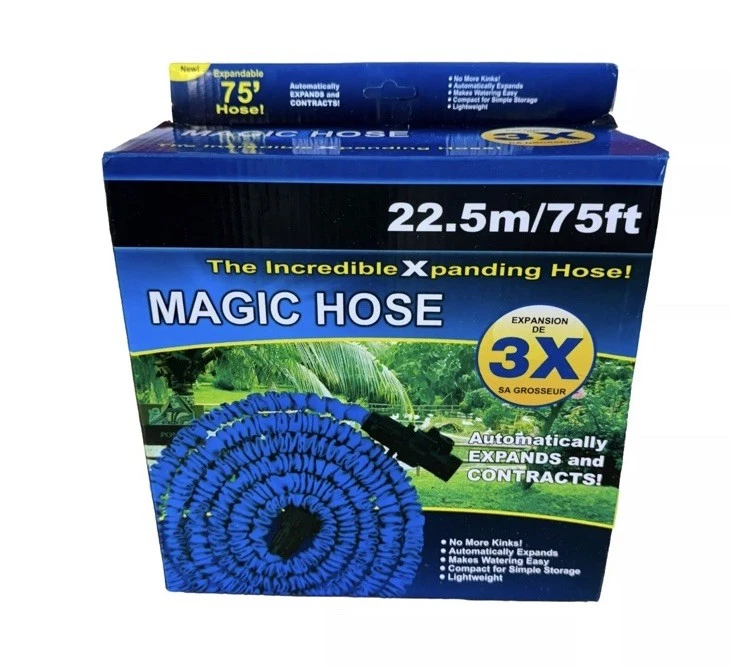
خرطوم مياه قابل للتمدد من ماجيك هوز
وفر 50%! اشترِ خرطوم مياه قابل للتمدد من ماجيك هوز بسعر 165.12 د.ل فقط في ليبيا.
🛒 تسوق الآن Libya Press
Deep in Egypt's Eastern Desert, where pharaohs extracted gold for over 3,000 years, a modern mining revival is taking shape. The Sisi administration has rolled out sweeping regulatory reforms designed to attract foreign and domestic mining companies to the Arabian-Nubian Shield — one of the world's last true mineral frontiers.
The Arabian-Nubian Shield stretches from Egypt and Sudan across to Saudi Arabia and Yemen, containing vast deposits of gold, copper, and critical minerals. Industry experts say the region could become a global mining hub, with Egypt positioning itself at the center of this transformation.
Egypt has introduced a new mining regulatory framework that industry players say meets or exceeds global norms. The reforms include streamlined licensing processes, competitive royalty rates, and improved transparency in concession awards. According to sources at Ankh Resources — a company at the forefront of Eastern Desert exploration — the new environment is drawing serious interest from major international miners.
The reforms mark a departure from earlier decades when bureaucratic hurdles kept many foreign investors at bay. Today, the government is actively courting mineral exploration investment as part of its broader economic diversification strategy.
The Arabian-Nubian Shield is estimated to hold significant deposits of gold, copper, zinc, and rare earth elements. During the Pharaonic era, the Eastern Desert alone produced enough gold to make Egypt the gold superpower of the late Bronze Age (1550-1070 BCE). Foreign kings of the era famously wrote that gold was as plentiful in Egypt as dust.
The world's oldest-known geological map, drawn under Ramesses IV around 1150 BCE, depicts gold-bearing areas in the Eastern Desert. Modern exploration suggests the ancient miners barely scratched the surface of the region's mineral wealth.
The surging demand for minerals is being fueled by three key sectors across the MENA+ region: infrastructure, artificial intelligence, and defense. Data centers, electric vehicles, drones, and energy infrastructure all require copper, gold, and critical minerals in unprecedented quantities.
The ongoing US-Iran conflict has sharpened the imperative for regional supply chain independence. Multiple MENA+ nations now view domestic mining development as a national security priority, reducing reliance on volatile global markets.
Saudi Arabia has signed a series of agreements with Canadian mining engineering firms, tapping into Canada's world-leading expertise. The collaboration comes under Prime Minister Mark Carney's pro-business administration, which has prioritized rebuilding Gulf ties after years of strained relations under the previous government.
Ottawa is seeking trade partnerships that sidestep the United States, its largest but increasingly protectionist historical partner. Canadian mining expertise is positioning the country as a key partner in MENA+ mineral development.
The convergence of regulatory reform, surging commodity demand, and strategic supply chain considerations is creating a perfect storm for mining development across the region. Egypt's Eastern Desert concessions represent a test case — if successful, they could unlock investment across the entire Arabian-Nubian Shield.
Industry observers note that transition from exploration to production typically takes 5-10 years. But with geopolitical tailwinds and government commitment, the region's mineral wealth could begin flowing sooner than expected. For Egypt, it means reviving an industry that made the pharaohs powerful — this time powering a modern economy.
— Libya Press / Economy Desk