
كريم الوجه بالكولاجين والذهب الخالص عيار 24
وفر 18%! اشترِ كريم الوجه بالكولاجين والذهب الخالص عيار 24 بسعر 176.26 د.ل فقط ف
🛒 تسوق الآن Libya Press
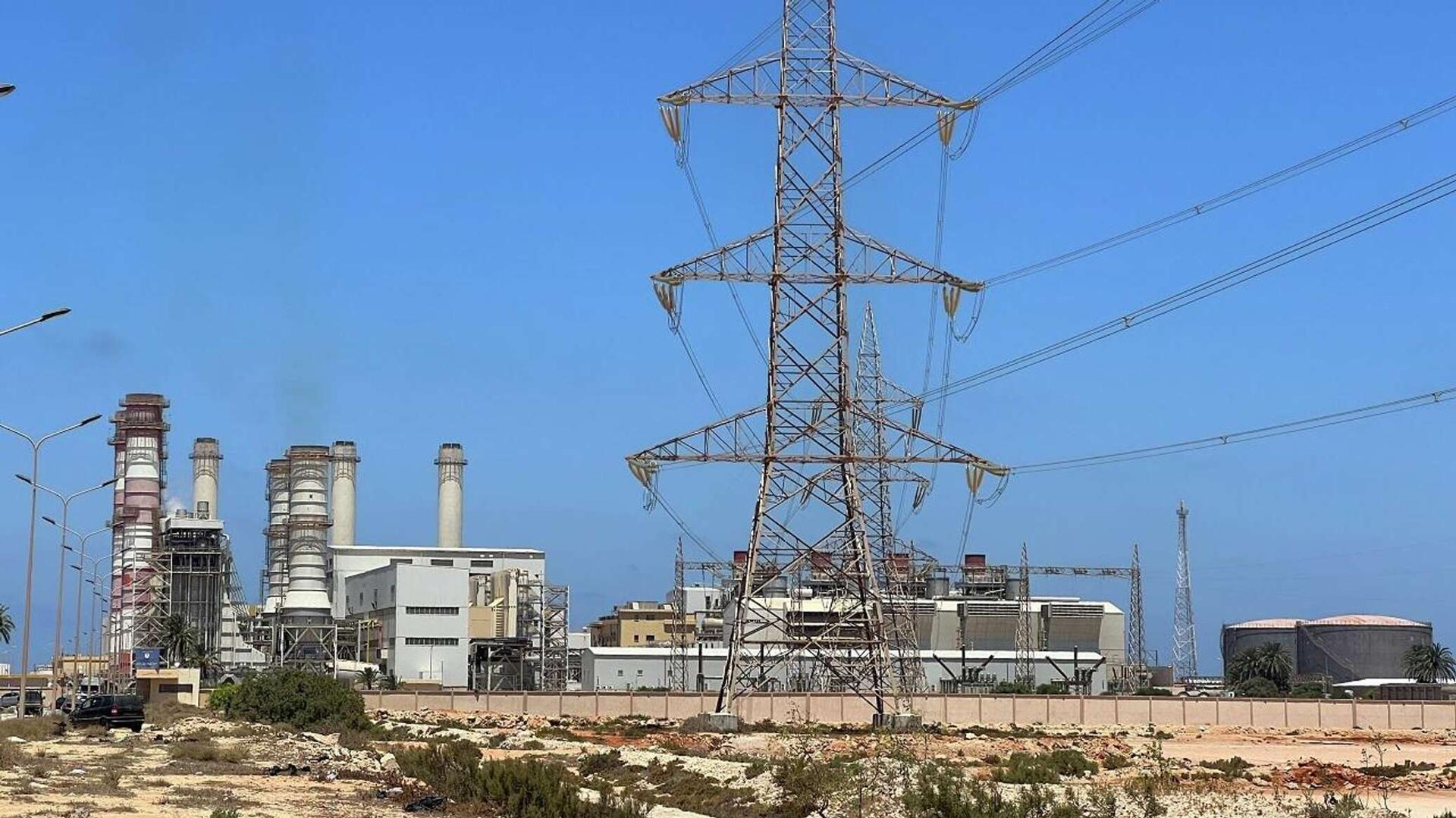
Libya has spent at least 65 billion Libyan dinars on its electricity sector since 2011, according to official data from the Audit Bureau and the Central Bank of Libya. Yet in July 2026, as temperatures soar past 42°C along the coast, most Libyans endure rolling blackouts lasting 4 to 12 hours a day.
The contradiction between expenditure and outcome has become the defining symbol of Libya's struggle with state capacity — a nation rich in energy resources that cannot keep its own lights on.
According to a report by Libyan newspaper Al-Aan (Address Libya), the 65 billion dinars allocated since 2011 were meant to rebuild a dilapidated grid, construct new power plants, and modernize transmission infrastructure. Instead, independent analysts and Audit Bureau reports indicate that a significant portion was lost to mismanagement, inflated contracts, and corruption.
The state-owned General Electricity Company of Libya (GECOL) has repeatedly cited fuel shortages and maintenance failures as the primary causes of outages. Critics argue that decades of opaque contracting and political interference have left the grid vulnerable to any disruption — from a gas pipeline shutdown to a summer heatwave.
The crisis escalated sharply this week. Temperatures along Libya's Mediterranean coast — from Tripoli to Benghazi to Derna — are expected to exceed 42°C, driving air conditioning demand to record levels. The resulting surge has overwhelmed generation capacity, leading to widespread load-shedding.
The Ministry of Environment warned citizens to prepare for extreme heat and conserve electricity. Meanwhile, the Government of National Unity in Tripoli announced emergency talks with Egypt to secure additional power supply, raising the possibility of importing electricity — an expensive stopgap rather than a solution.
In eastern Libya, the parallel government has blamed Tripoli for starving eastern power plants of fuel. The political division, which has split the country since 2014, continues to cripple any unified strategy for the energy sector.
Libya's Audit Bureau has published multiple reports documenting irregularities in electricity sector spending. Key findings include:
A 2025 report by the Sadeq Institute estimated that restoring the grid to full capacity would require 8–10 billion dinars over five years — but only with structural reforms and anti-corruption measures.
For ordinary Libyans, the crisis means spoiled food in refrigerators that stop working mid-day. It means students studying by phone light. It means hospitals running backup generators 14 hours a day, risking equipment failure.
In Tripoli's main hospitals, staff report backup generators running non-stop, raising the risk of failure. In Benghazi, small business owners say outages cost them hundreds of dinars daily in lost inventory and reduced hours.
"We are an oil-producing country sitting on vast gas reserves," said a Benghazi shop owner. "How can we not provide electricity for our own people?"
Experts and civil society groups have proposed a roadmap:
Without these reforms, Libya risks repeating the same cycle — billions spent, darkness maintained, and a population left to bear the heat.
— Libya Press / Economy Desk