
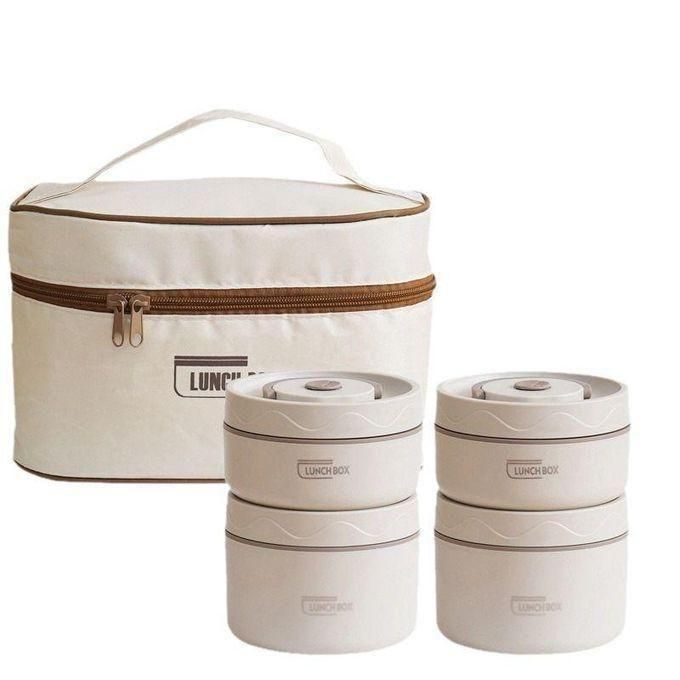
صندوق غداء حراري مع حقيبة محمولة
وفر 43%! اشترِ صندوق غداء حراري مع حقيبة محمولة بسعر 222.72 د.ل فقط في ليبيا. مت
🛒 تسوق الآن Libya Press
Alwasat channel airs a new episode of "Special Coverage" tonight at 9:00 PM Libya time, tackling one of the most pressing issues: the electricity crisis. The episode poses a fundamental question — is Libya's power failure a crisis of management or a conflict of jurisdictions?
The broadcast comes as Libyan cities endure rolling blackouts lasting up to 12 hours daily, with temperatures exceeding 40 degrees across most regions.
Libya has suffered from chronic electricity shortages for decades, but the problem has intensified sharply in 2026. GECOL reports a widening gap between generation capacity and demand, particularly during peak summer months.
Load shedding has affected major urban centers including Tripoli, Benghazi, Misrata, and Sabha. Hospitals and water pumping stations have been forced to operate on backup generators.
The program examines two competing explanations. The first points to decades of mismanagement: poor planning, failure to maintain aging infrastructure, and inadequate investment. The second highlights the fragmented political landscape, where competing institutions and armed groups control different parts of the energy infrastructure.
Dr. Mohamed Youssef Darmeish, former supervisor at the National Center for Studies and Scientific Research, told Ean Libya that the crisis stems from accumulated failures spanning decades. "The core problem is poor management, failure to keep pace with population growth, and the absence of continuous maintenance," he said.
Recent weeks saw a heated exchange between Prime Minister Abdul Hamid Dbeibeh and GECOL over responsibility for the blackouts. GECOL claims it warned the government about fuel shortages, while Dbeibeh criticized the company's performance.
The fuel supply chain is heavily politicized. Control over imports and distribution is divided between rival factions, and subsidies worth billions have created incentives for smuggling. GECOL warns that without adequate fuel, even functioning plants cannot operate at full capacity.
Between 2007 and 2011, Libya initiated major projects including the Ubari power plant and Gulf of Sirte plant, alongside solar and wind energy projects. The 2011 conflict halted nearly all of these initiatives.
Population growth and urban expansion continued, but the grid did not keep pace. New neighborhoods were connected to a network already operating beyond capacity. The result is a system that fails during peak demand.
Libya enjoys some of the highest solar irradiation levels in the Mediterranean, yet renewables account for less than one percent of generation. Experts argue distributed solar could ease pressure on the grid, especially in remote areas.
Dr. Darmeish called for encouraging agricultural and industrial projects to adopt solar through financing from development banks. "Renewable energy in productive projects would reduce loads on the national grid and improve distribution," he said.
For ordinary Libyans, the distinction between a management crisis and a power struggle matters little. They endure the same hours of darkness regardless. What they seek is reliable electricity — a basic service out of reach for millions despite Libya's vast oil wealth.
As Dr. Darmeish concluded: "Libya possesses abundant resources and financial capacity to solve this crisis. What is missing is the political and administrative will to implement solutions."
— Libya Press / News Desk
