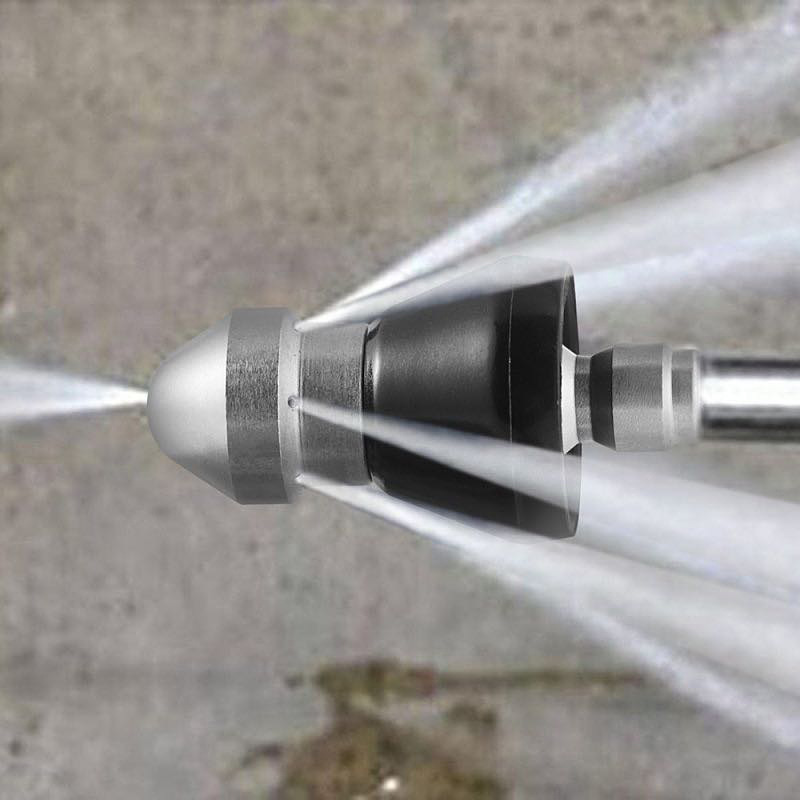
أداة تنظيف الصرف
وفر 44%! اشترِ أداة تنظيف الصرف بسعر 156.29 د.ل فقط في ليبيا. متوفر حالياً، الدف
🛒 تسوق الآن Libya Press
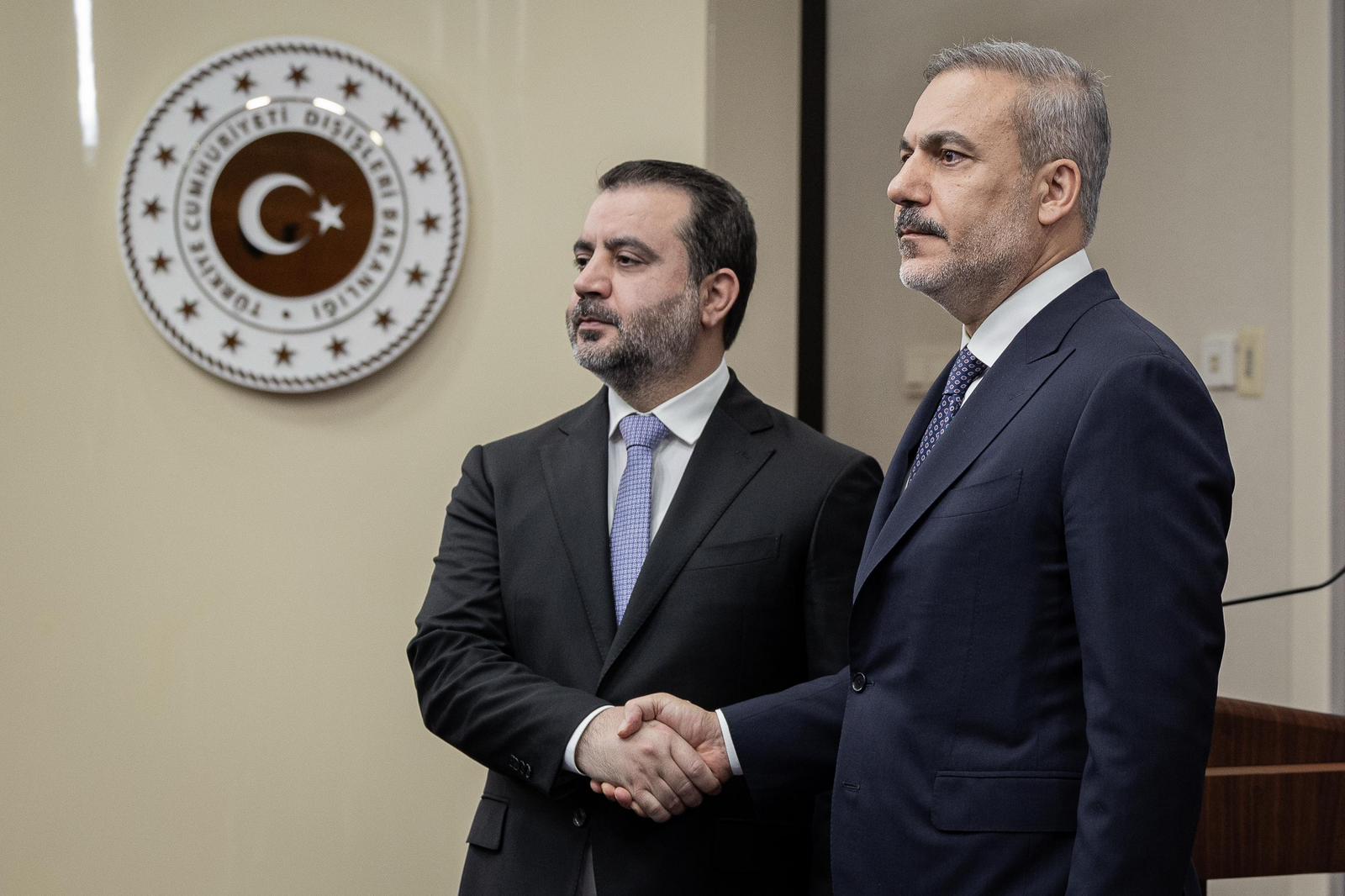
Turkish Foreign Minister Hakan Fidan received Saddam Haftar, Deputy Commander of the Libyan National Army (LNA), in Ankara on Friday, July 24, 2026, in a meeting that signals a potential recalibration of Turkey's Libya policy. The encounter comes amid intensified international diplomacy surrounding Libya's stalled political process.
According to Turkish diplomatic sources, the talks covered bilateral relations, developments in Libya, and regional security issues. The meeting marks one of the most significant direct engagements between Ankara and the Haftar camp since the 2020 ceasefire.
Ankara has been the primary international backer of the Government of National Unity (GNU) led by Prime Minister Abdul Hamid Dbeibeh, providing military support that helped repel the LNA's 2019-2020 assault on Tripoli. Turkey maintains military bases in western Libya and has extensive economic agreements with the GNU, including controversial maritime delimitation deals in the Eastern Mediterranean.
The meeting with Saddam Haftar, a senior figure in the eastern-based LNA command structure, suggests Ankara is exploring broader engagement across Libya's divided landscape. Saddam Haftar — son of LNA commander Khalifa Haftar — has emerged as a key interlocutor representing eastern Libyan interests in international forums.
Turkish officials have not officially commented on whether this signals a policy shift, but analysts note that Ankara's strategic interests extend beyond any single faction. Energy rights, reconstruction contracts, and counterterrorism cooperation all factor into Turkey's calculations.
The meeting coincides with renewed international efforts to break Libya's political deadlock. The United Nations Support Mission in Libya has been pushing for a consensus government capable of overseeing elections, repeatedly postponed since the collapse of the 2021 electoral roadmap.
Washington and European capitals have shown increasing support for a unified Libyan government that can address migration, stabilize energy markets, and counter Russian influence. The Wagner Group's continued presence in eastern Libya has added urgency to diplomatic efforts.
Egypt and the UAE, traditional backers of the Haftar camp, have also signaled openness to a more inclusive political settlement, creating conditions for cross-factional dialogue.
Saddam Haftar's diplomatic profile has grown significantly since 2023. Unlike his father Khalifa, who remains the symbolic leader of the LNA, Saddam has taken on direct responsibilities in military administration and external relations. His visit to Ankara is his highest-profile engagement with a major capital to date.
Previous meetings between Turkish officials and eastern Libyan representatives occurred primarily through indirect channels. The Ankara meeting represents a departure, suggesting both sides see tangible benefits in direct engagement.
Libyan political analyst Mohamed Eljarh said: "Saddam Haftar's reception by Turkey's top diplomat reflects a mutual recognition that excluding eastern factions from political dialogue is unsustainable. Both sides need a framework for coexistence."
The meeting raises questions about prospects for a unified military command and a single government acceptable to both east and west. The GNU in Tripoli views Turkish backing as essential to its survival, while the eastern government in Benghazi seeks to expand its international legitimacy.
Any Turkish mediation could accelerate the formation of a technocratic government capable of managing oil revenues transparently and organizing elections. However, deep mistrust between the camps remains a formidable obstacle.
Critics warn that Turkey's dual-track approach could create confusion rather than clarity. Supporters argue inclusive dialogue is the only viable path to stability.
For Libyans exhausted by over a decade of instability, the question is whether meetings in Ankara translate into tangible improvements — reliable electricity, functioning institutions, and freedom of movement without checkpoints dividing their country.
The coming weeks will reveal whether this meeting is a diplomatic footnote or the beginning of a substantive realignment.
— Libya Press / Politics Desk