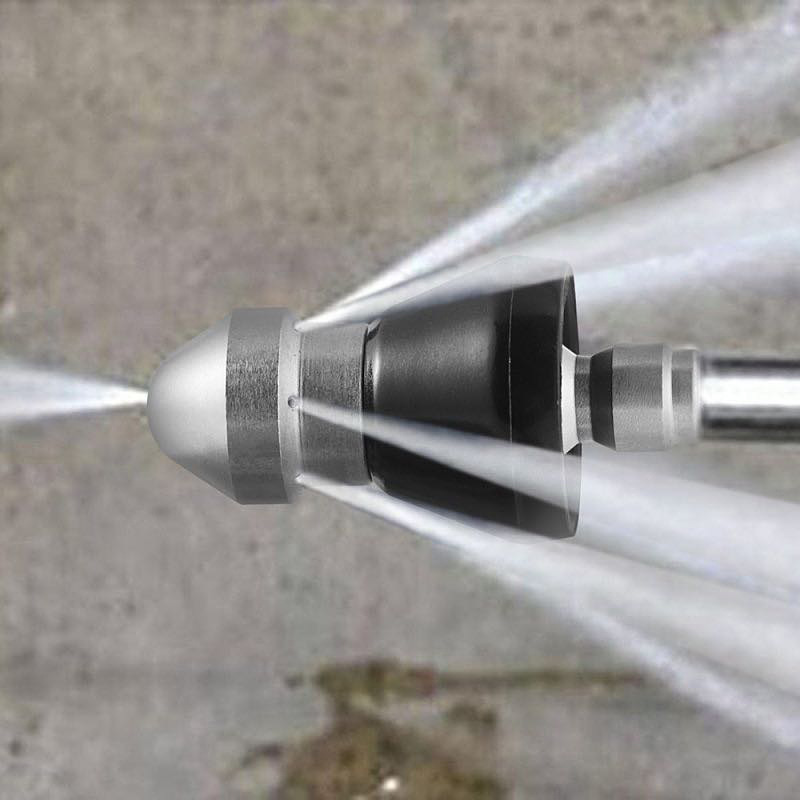
مزيل الرؤوس السوداء
وفر 25%! اشترِ مزيل الرؤوس السوداء بسعر 206.6 د.ل فقط في ليبيا. متوفر حالياً، ال
🛒 تسوق الآن Libya Press
A widespread blackout swept across most Libyan cities on Friday evening, leaving millions without electricity as the General Electricity Company (GECOL) worked to restore the collapsed power grid. The outage, described as one of the most severe in months, disrupted hospitals, water supplies, and telecommunications across the country.
The blackout began at sunset Friday and persisted into Saturday, with emergency teams prioritizing restoration of critical infrastructure including healthcare facilities and water pumping stations.
A GECOL source told local media that the blackout resulted from a technical fault in the main transmission grid that triggered a massive power surge. The surge caused a cascade failure, knocking multiple generation units offline and leading to a complete collapse of the interconnected system.
"The fault occurred suddenly in one of the main transmission lines," the source explained. "Before protection systems could isolate it, the imbalance spread through the network, causing generation units to trip sequentially."
The company initiated a "black start" procedure — a technically complex process of restoring power to a fully shut-down grid that typically requires many hours.
Compounding the technical failure, recent security clashes in Zawiya severely damaged the city's power station, causing the loss of approximately 700 megawatts of generation capacity, according to Al Wasat news. The station, located 45 kilometers west of Tripoli, has been a frequent casualty of armed group clashes in the strategic coastal city.
Beyond the immediate damage, Libya's electricity sector has been grappling with a chronic fuel shortage. GECOL has repeatedly warned that declining gas supplies to power plants, combined with insufficient maintenance of aging infrastructure, have pushed the grid to the brink. In recent weeks, several plants in eastern and southern Libya operated at reduced capacity or shut down entirely due to lack of fuel.
GECOL has faced mounting accusations of corruption and mismanagement. Libyan media has documented cases of inflated maintenance contracts, missing equipment, and ghost employees on the company's payroll. Critics argue that billions of dinars allocated for grid upgrades have been wasted, leaving the power system as vulnerable as it was a decade ago.
The company attributes the sector's problems to political division between the Government of National Unity in Tripoli and the parallel administration in the east, which has complicated national infrastructure funding and decision-making.
The blackout severely disrupted daily life across Libya. Hospitals activated backup generators, though fuel shortages at some facilities raised concerns. Water supply systems relying on electric pumps were disrupted in multiple municipalities. Telecommunications networks experienced partial outages as backup batteries at cell towers depleted.
Businesses, particularly food storage and cold chain logistics, reported significant losses as refrigeration units shut down. Residents in Tripoli, Benghazi, and Misrata took to social media to express frustration at the recurring crisis.
By Saturday morning, GECOL announced that some generation units had been reconnected and power was being gradually restored, prioritizing hospitals and critical facilities. However, the company cautioned that full restoration would take time and that load-shedding would continue as the system stabilizes.
Libya's electricity grid has been in a state of chronic instability since 2011, with successive governments failing to invest adequately in generation, transmission, and maintenance. The current crisis underscores the urgent need for a comprehensive national energy strategy addressing both immediate operational challenges and long-term development.
— Libya Press / News Desk