
قالب يدوي لتغليف الزلابية
وفر 25%! اشترِ قالب يدوي لتغليف الزلابية بسعر 180 د.ل فقط في ليبيا. متوفر حالياً
🛒 تسوق الآن Libya Press
Tripoli was engulfed in chaos on May 15, 2026, when riots sparked by a controversial football match between Al-Ittihad and Al-Suwaihli spiraled into widespread violence, culminating in protesters setting fire to the office of Libya's Prime Minister. The unrest, which began inside Tarhuna Stadium southeast of the capital, left one soldier dead and seven others injured, exposing deep frustrations among Libyan youth and raising urgent questions about the country's security infrastructure.
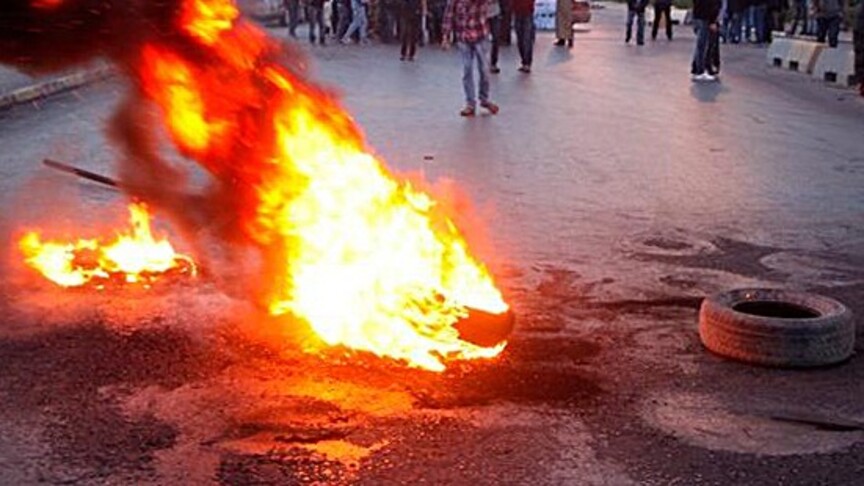
The violence erupted during a heated match at Tarhuna Stadium when Al-Ittihad players protested the referee's decision not to award a penalty kick. Enraged fans stormed the pitch, and the situation deteriorated rapidly. Players were physically assaulted, a broadcasting vehicle belonging to Libya Sport TV was torched, and several security vehicles parked at the venue were set ablaze. The 444 Brigade, a military unit, intervened to restore order and reportedly used live ammunition to disperse the crowds. According to local media sources cited by the Xinhua news agency, the exchange of gunfire resulted in the death of one soldier and injuries to seven others. The unrest then spread from Tarhuna to multiple districts across Tripoli, accompanied by reports of gunfire and a heavy security presence throughout the capital.
As clashes intensified, groups of protesters advanced toward government buildings in central Tripoli and set fire to parts of the Prime Minister's office compound. Security and military forces were rapidly deployed around government facilities and major roads in an effort to contain the situation. Witnesses described scenes of panic as smoke rose from the government district. As of Thursday evening, Libyan authorities had not issued any official statement regarding the incidents, the fire at the Prime Minister's office, or the identity of those responsible for the arson. The absence of an official response has fueled speculation about the government's capacity to manage the crisis. Analysts note that the rapid escalation from a sporting event to an attack on a seat of government reflects underlying social tensions that extend far beyond football.
The events of May 15 underscore the fragility of Libya's security landscape more than a decade after the fall of the Gaddafi regime. The country remains divided between rival administrations, and armed groups such as the 444 Brigade continue to play a significant role in maintaining order — sometimes through lethal force. The use of live ammunition against civilians, even in a riot situation, is likely to draw criticism from human rights organizations. Moving forward, the Libyan government faces the dual challenge of addressing the immediate security fallout and responding to the grievances that drove thousands of young Libyans to take to the streets. Whether authorities will hold accountable those responsible for the violence — both the initial rioters and the security forces who fired on crowds — remains to be seen. The coming days will be critical in determining whether this incident becomes a turning point or another chapter in Libya's prolonged instability.
The situation remains fluid, and international observers are closely monitoring developments in Tripoli as the government struggles to restore calm and assert its authority over a capital that has once again become a flashpoint of unrest.