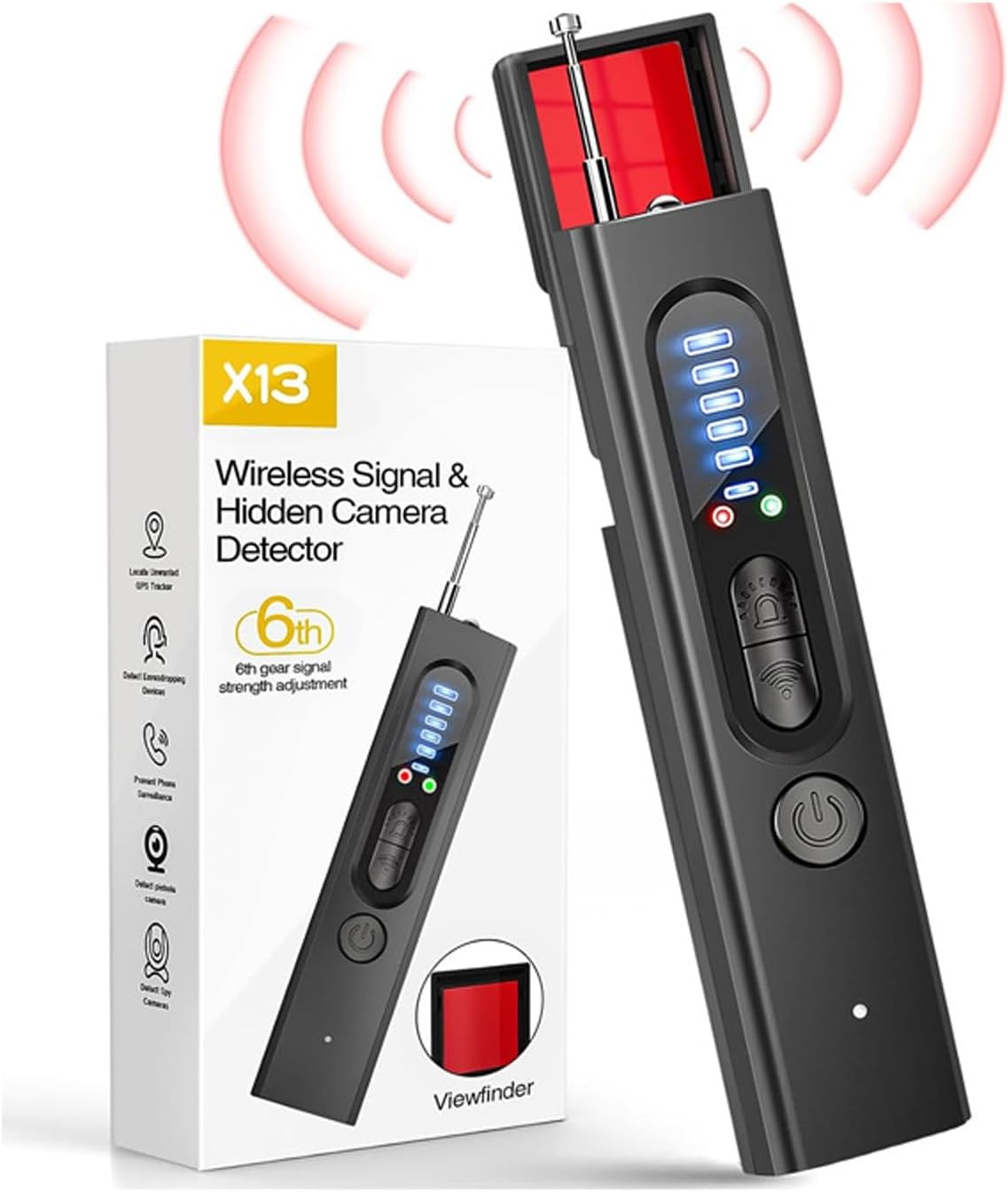
كاشف الكاميرات الخفية
وفر 17%! اشترِ كاشف الكاميرات الخفية بسعر 390 د.ل فقط في ليبيا. متوفر حالياً، ال
🛒 تسوق الآن Libya Press
A controversial refereeing decision during a Libyan Premier League title play-off match on Thursday evening spiraled into widespread violence, leaving several injured, a soldier reportedly dead, and part of the Government of National Unity headquarters in Tripoli set ablaze. The unrest, which began in the town of Tarhuna and quickly spread to the capital, marks one of the most serious episodes of civil disturbance in Libya this year.
The crisis erupted during the closing stages of a high-stakes title play-off fixture between Al-Ittihad SC of Tripoli and Al-Suwaihli SC of Misrata at Tarhuna Stadium, located approximately 80 kilometers southeast of the capital. Al-Ittihad players and supporters furiously protested the referee's decision not to award what they believed was a clear penalty in the dying minutes of the match. The game, played behind closed doors as per existing security measures, quickly descended into chaos as supporters forced their way onto the pitch.
Footage circulated widely on social media captured scenes of panic inside the stadium, with gunfire echoing across the ground and ambulances ferrying injured people from the scene. Among those hurt were several players and journalists covering the match. A television broadcast vehicle belonging to a Libyan sports channel was set ablaze, according to Abdullah Faraj, director of Tarhuna Sports City, who confirmed damage to multiple parts of the stadium complex.
As the Government of National Unity deployed its Brigade 444 to contain the situation, the militia claimed one of its soldiers was shot and killed during the confrontations. However, neither Libyan authorities nor independent media outlets have confirmed the fatality. The brigade subsequently stated it used live ammunition against protesters.
The violence did not remain confined to Tarhuna. In Tripoli's Bab Ben Gashir district, home to Al-Ittihad SC's headquarters and situated near the offices of the Government of National Unity, groups of angry young men gathered late on Thursday. Fireworks were launched toward the government building, igniting a fire that civil defense teams managed to contain before it spread further. Security forces dispersed the crowd and sealed off the surrounding area.
The Libyan Presidential Council issued a statement calling for an urgent investigation into what it described as "regrettable events," emphasizing that any grievances must be addressed through legal channels rather than violence. By Friday morning, the Government of National Unity had not released an official casualty count or detailed assessment of material damage in either Tarhuna or Tripoli.
Libyan sports analysts note that despite an official ban on fan attendance at league matches, the incident underscores the deep passions surrounding football in Libya and the persistent challenge authorities face in managing high-profile domestic fixtures. The involvement of armed brigades in responding to civilian unrest further highlights the fragile security landscape.
The events raise serious questions about Libya's ability to maintain public order and the role of armed factions in civilian life. Just weeks ago, the city of Zawiya, also under Tripoli's governance, experienced armed clashes that killed nine people and injured 23 others. The recurrence of violence on this scale suggests deepening instability that extends far beyond the football pitch.
Going forward, Libyan authorities face the dual challenge of investigating the violence and holding accountable those responsible, while also addressing the underlying tensions that allow sporting disputes to escalate into armed confrontations. The Presidential Council's call for legal remedies will be tested against the reality of militia influence and the absence of unified state institutions. For Libya's football community, the incident is a stark reminder that the country's political fractures remain never far from the surface.