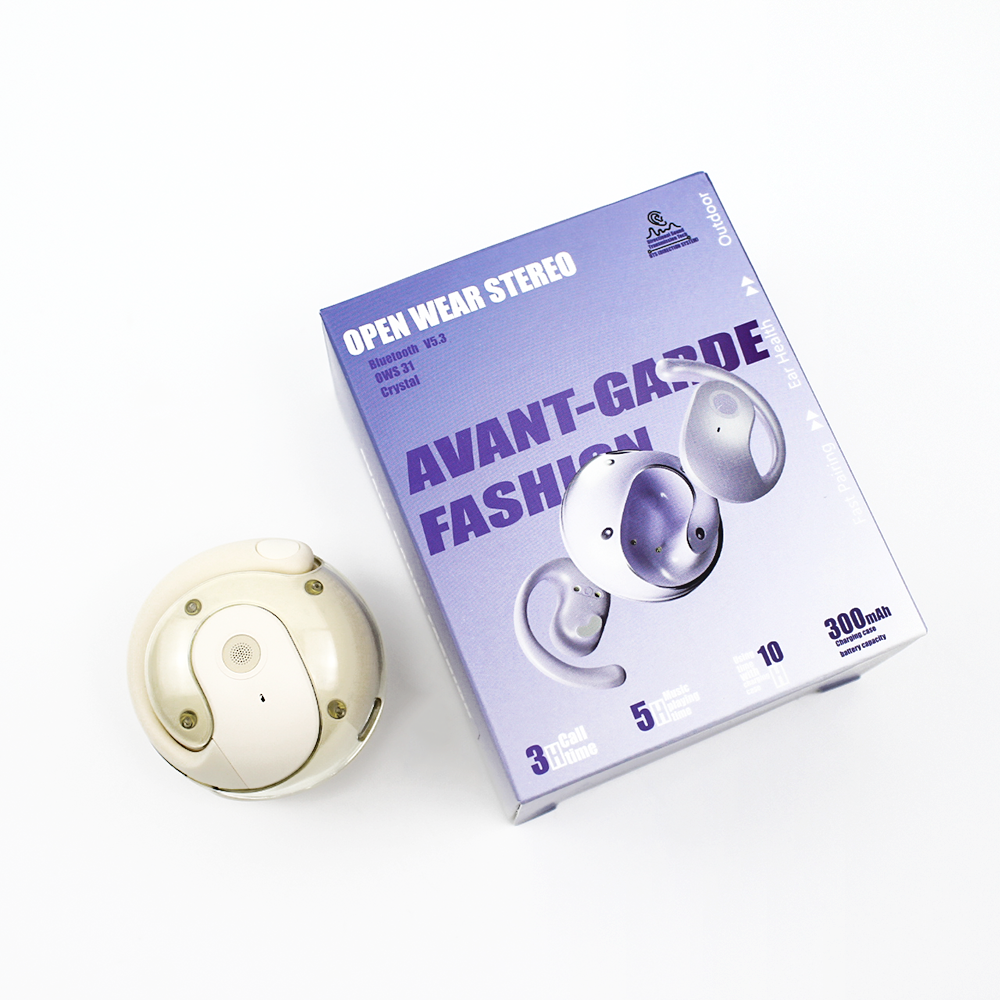
سماعات الاذن
وفر 57%! اشترِ سماعات الاذن بسعر 163.2 د.ل فقط في ليبيا. متوفر حالياً، الدفع عند
🛒 تسوق الآن Libya Press
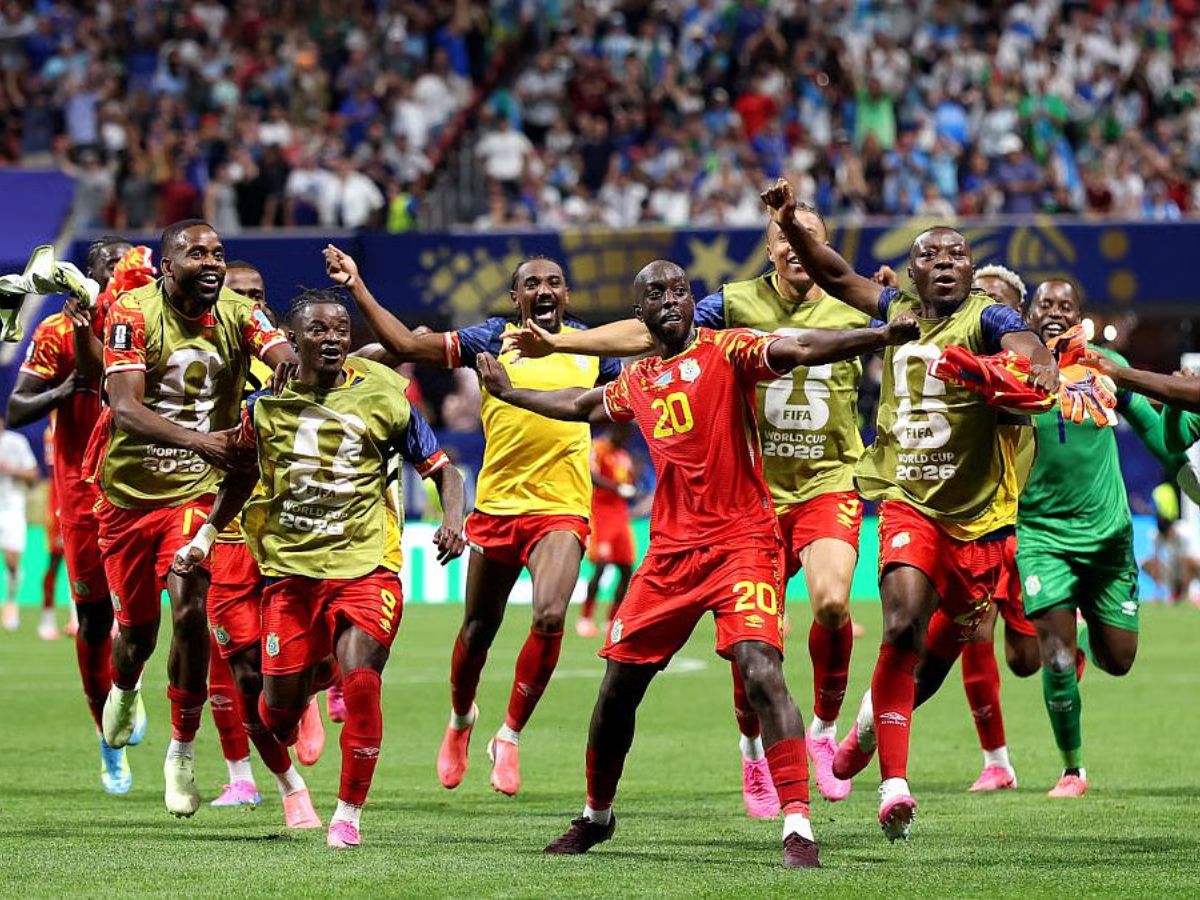
Nine African nations have secured places in the FIFA World Cup Round of 32, marking the largest continental representation in the tournament's history. The historic achievement comes as the expanded 48-team format delivers on its promise of greater global inclusion, with African teams seizing the opportunity on the world's biggest football stage.
The milestone was confirmed today as the final group stage matches concluded, with African teams demonstrating remarkable competitiveness against traditional football powerhouses. This represents a dramatic increase from previous tournaments, where African representation in knockout stages rarely exceeded two or three nations.
The nine-nation breakthrough shatters all previous records for African football at the World Cup. In the tournament's prior format with 32 teams, African nations were allocated just five slots — a figure that campaigners long argued was grossly disproportionate to the continent's population of over 1.4 billion people and its growing football talent pool.
The expanded 48-team format, approved by FIFA in 2017, increased Africa's allocation to nine direct slots plus one playoff place. This structural change has now translated into tangible results, with every single African direct qualifier advancing past the group stage — a feat that underscores the rising quality of football across the continent.
Football analysts describe the achievement as a watershed moment that validates decades of investment in youth development, coaching infrastructure, and domestic leagues across Africa. The success of nine nations simultaneously signals that African football's rise is not dependent on one or two standout teams but reflects a broad-based continental improvement.
"This is not a coincidence — it is the result of systematic investment in African football over the past decade," said a senior FIFA official familiar with the confederation's development programs. "The infrastructure, the coaching education, the youth tournaments — all of it is producing results at the highest level."
For Libyan football fans and the broader North African region, the achievement carries special significance. Libya's own football development programs have drawn inspiration from the success of neighboring North African nations, and the continental breakthrough strengthens the case for increased investment in Libyan youth football infrastructure.
The Libyan Football Federation has been working to rebuild domestic competitions and youth academies after years of disruption. The success of nine African nations on the world stage provides both a blueprint and motivation for Libya's own football ambitions, demonstrating that sustained investment in grassroots development yields international results.
The Round of 32 kicks off this week with several African nations facing formidable opponents. Football fans across the continent will be watching closely as the historic campaign continues. Whether one or more African teams advance to the Round of 16, the achievement of nine nations reaching this stage has already rewritten the history books.
The 2026 World Cup will be remembered as the tournament where African football arrived as a genuine collective force — not through the brilliance of a single team, but through the depth and quality of an entire continent's football ecosystem. For the nine nations still competing, the message is clear: history has already been made, and more is still possible.
— LibyaPress / Sports Desk
===END_ENGLISH===