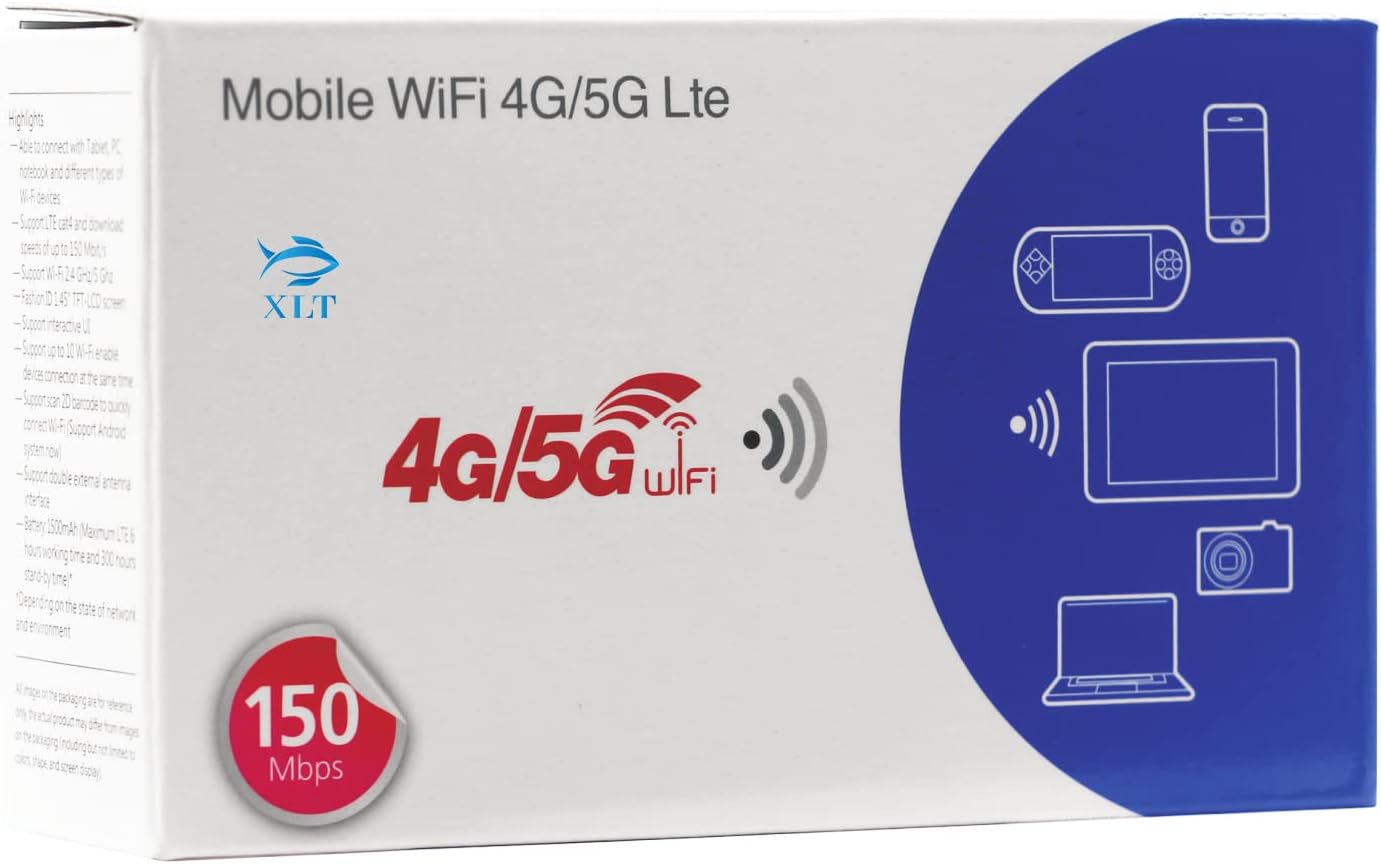
جهاز توجيه واي فاي محمول مزود بفتحة SIM
وفر 46%! اشترِ جهاز توجيه واي فاي محمول مزود بفتحة SIM بسعر 259.2 د.ل فقط في ليب
🛒 تسوق الآن Libya Press
Libya's unified development spending agreement faces its most serious threat since its inception, as the Head of the House of Representatives' Unified Spending Committee, Issa Al-Aribi, has threatened to withdraw from the arrangement and revert to previous budgetary mechanisms. The announcement, which emerged today, could destabilize the fragile consensus that has kept Libya's divided institutions cooperating on national expenditure priorities.
Al-Aribi's threat strikes at the heart of ongoing efforts to maintain a unified financial framework across Libya's rival administrations. The unified spending agreement was designed to ensure that development funds are allocated transparently and equitably, regardless of political divisions between eastern and western power centers.
According to reports from The Libya Observer, Al-Aribi's frustration centers on what committee insiders describe as persistent imbalances in how funds are distributed under the current framework. The committee head believes that the unified spending agreement has failed to deliver equitable development financing, particularly to regions represented by the House of Representatives.
Political analysts suggest the threat also reflects deeper tensions within Libya's political process, where competing visions for governance continue to undermine institutional cooperation. The unified spending mechanism was one of the few areas where both the House of Representatives and the High State Council had found common ground.
If Al-Aribi follows through on the threat, Libya would return to spending protocols that existed before the unified agreement. Those earlier mechanisms were widely criticized for lacking transparency, enabling duplicate spending on projects in politically connected areas while neglecting underserved communities.
International observers, including the United Nations Support Mission in Libya, have repeatedly emphasized that a unified budgetary approach is essential for delivering basic services to citizens across all regions. Fragmented spending has historically led to uneven infrastructure development and delayed reconstruction efforts.
For ordinary Libyans, the threat to withdraw from the unified spending agreement is not an abstract political maneuver — it is a direct threat to development projects in their communities. Roads, hospitals, schools, and water infrastructure all depend on coordinated national budgeting. When spending agreements collapse, the first casualties are the citizens waiting for essential services.
Libya's municipalities have already faced severe budget delays in recent years. A return to fragmented spending mechanisms could worsen these delays, particularly in areas that rely heavily on national-level development allocations rather than local revenue sources.
The coming days will be critical. If Al-Aribi formalizes the withdrawal, it could trigger a chain reaction that unravels other areas of institutional cooperation. However, diplomatic channels within the House of Representatives and between the rival institutions remain open, and behind-the-scenes negotiations are expected to intensify.
Libyans across the country will be watching closely. The unified spending agreement, imperfect as it may be, represents one of the few functioning bridges between the nation's divided political entities. Preserving that bridge is not just a political priority — it is a humanitarian necessity.
— LibyaPress / Politics Desk