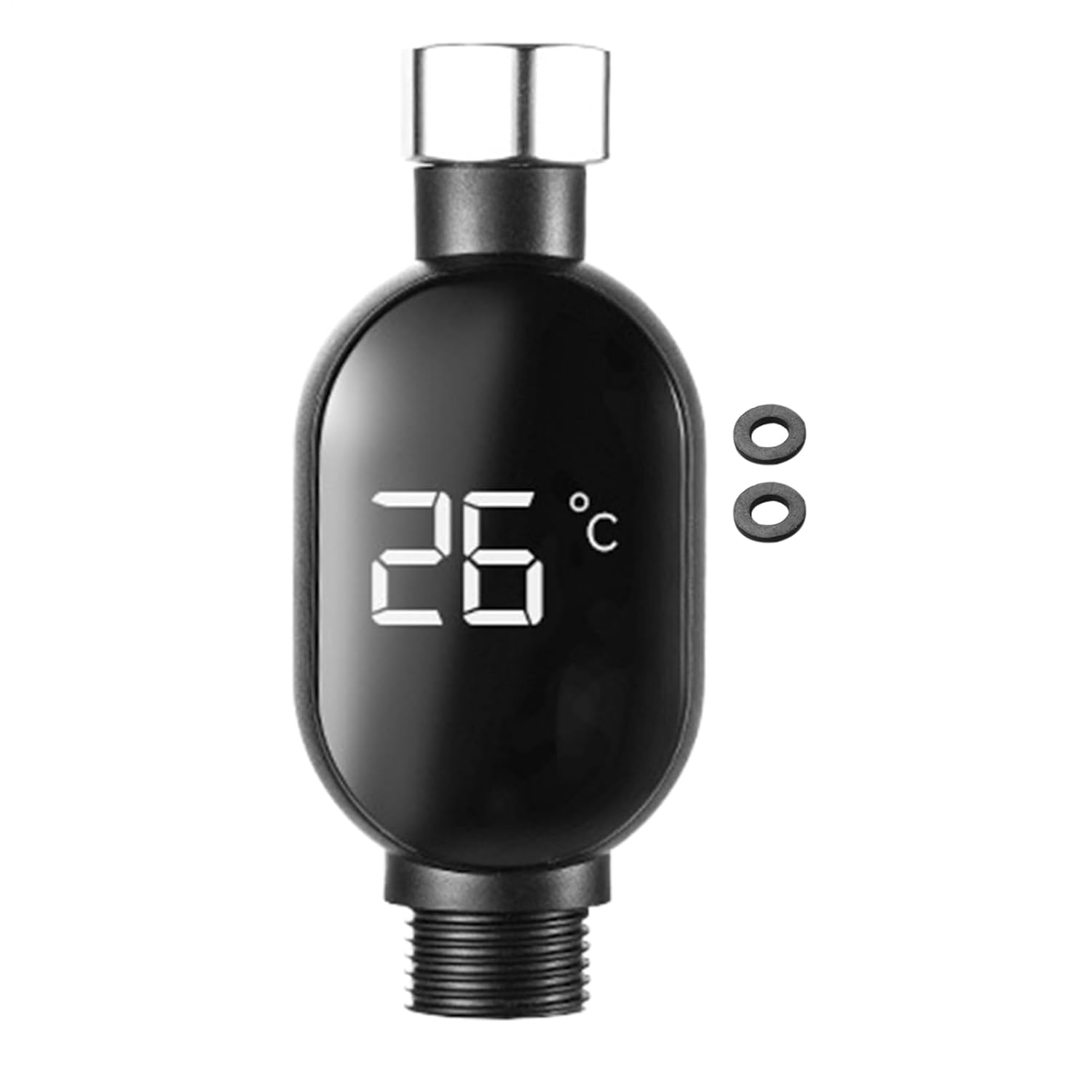
جهاز مراقبة درجة حرارة تدفق المياه
وفر 35%! اشترِ جهاز مراقبة درجة حرارة تدفق المياه بسعر 163.2 د.ل فقط في ليبيا. م
🛒 تسوق الآن Libya Press
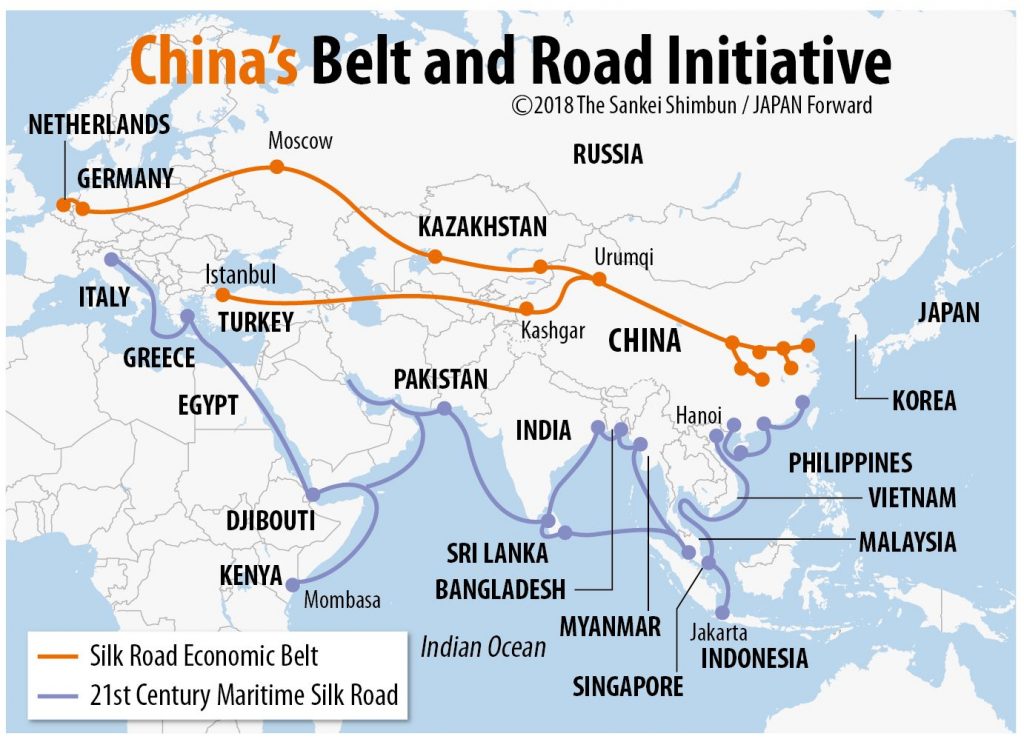
Libya's strategic location on North Africa's Mediterranean coast, just 350 kilometers from European shores, has made it an increasingly attractive partner in China's Belt and Road Initiative (BRI). As Beijing expands its global infrastructure network, Libya stands at a crossroads where reconstruction needs meet Chinese investment ambitions.
The Belt and Road Initiative, launched in 2013, aims to connect Asia with Africa and Europe through infrastructure corridors. Libya's Mediterranean ports, including Tripoli, Benghazi, and Misrata, offer China a direct maritime gateway to North Africa and southern Europe.
Libya officially expressed interest in joining the BRI in 2018. Since then, discussions have progressed despite the country's complex political landscape. The Memorandum of Understanding signed between the two countries laid the groundwork for cooperation in infrastructure, energy, and trade.
Libya's infrastructure requires massive rebuilding after years of conflict. Roads, ports, airports, power plants, and water systems all need rehabilitation. Chinese construction companies, with extensive experience in post-conflict reconstruction across Africa, are well-positioned to participate in these rebuilding efforts.
Chinese firms completed several projects in Libya before 2011, including railway and telecommunications infrastructure. Their return under the BRI framework signals renewed commercial confidence. In 2024 and 2025, multiple Chinese delegations visited Tripoli and Benghazi to assess reconstruction opportunities.
Libya holds Africa's largest proven crude oil reserves at approximately 48 billion barrels. China, the world's largest oil importer, views Libya as a strategic energy partner. Chinese oil companies have expressed interest in exploration and production sharing agreements in Libyan oil fields.
Beyond hydrocarbons, the BRI opens avenues for renewable energy cooperation. Libya's solar potential is enormous, with over 3,000 hours of sunlight annually. Chinese solar technology companies have held preliminary talks with Libyan authorities about solar farm projects in southern regions.
The National Oil Corporation (NOC) has emphasized the need for foreign investment to boost production beyond 1.5 million barrels per day. Chinese partnerships under the BRI could provide both capital and technical expertise.
Bilateral trade between Libya and China reached approximately $6 billion in 2025, driven by Chinese exports of machinery and electronics alongside Libyan crude oil exports. The BRI framework aims to diversify this trade through special economic zones and industrial parks.
Libya's economy, heavily dependent on oil revenues, stands to benefit from diversification supported by Chinese investment in manufacturing, agriculture, and technology. Chinese companies have shown interest in developing industrial zones near Tripoli and Benghazi that could create thousands of local jobs.
The path to full BRI implementation in Libya faces hurdles. Political instability, security concerns, and the divided governance structure create uncertainty for long-term investment. Chinese companies require clear legal frameworks and security guarantees before committing significant capital.
Regional competition also plays a role. Turkey, Italy, and Gulf states have significant economic interests in Libya. The BRI positions China as an additional partner rather than a replacement, offering Libya greater leverage in international negotiations. The coming years will determine whether the initiative becomes a transformative force for Libya's reconstruction.
— Libya Press / Economy Desk