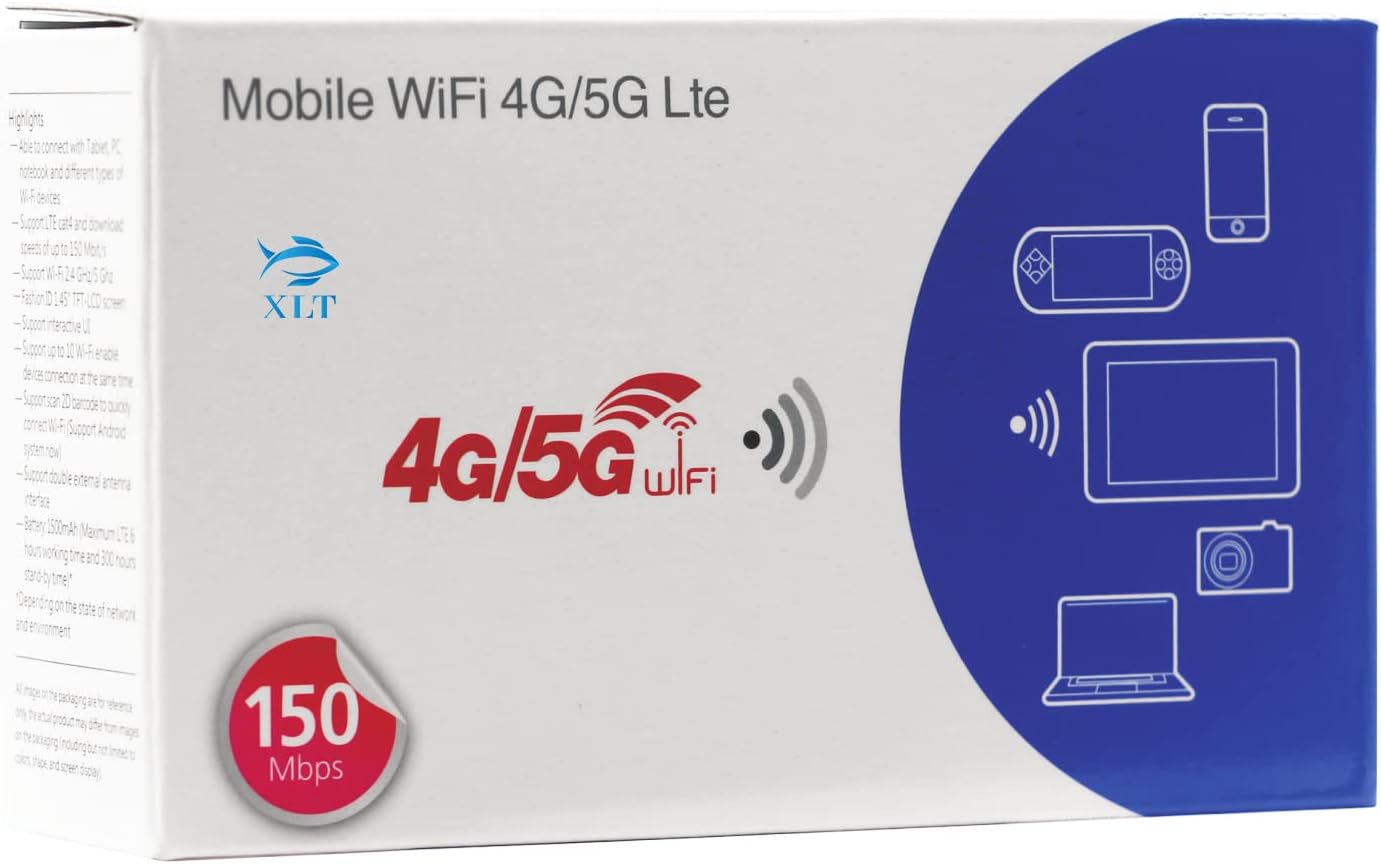
جهاز توجيه واي فاي محمول مزود بفتحة SIM
وفر 46%! اشترِ جهاز توجيه واي فاي محمول مزود بفتحة SIM بسعر 259.2 د.ل فقط في ليب
🛒 تسوق الآن Libya Press
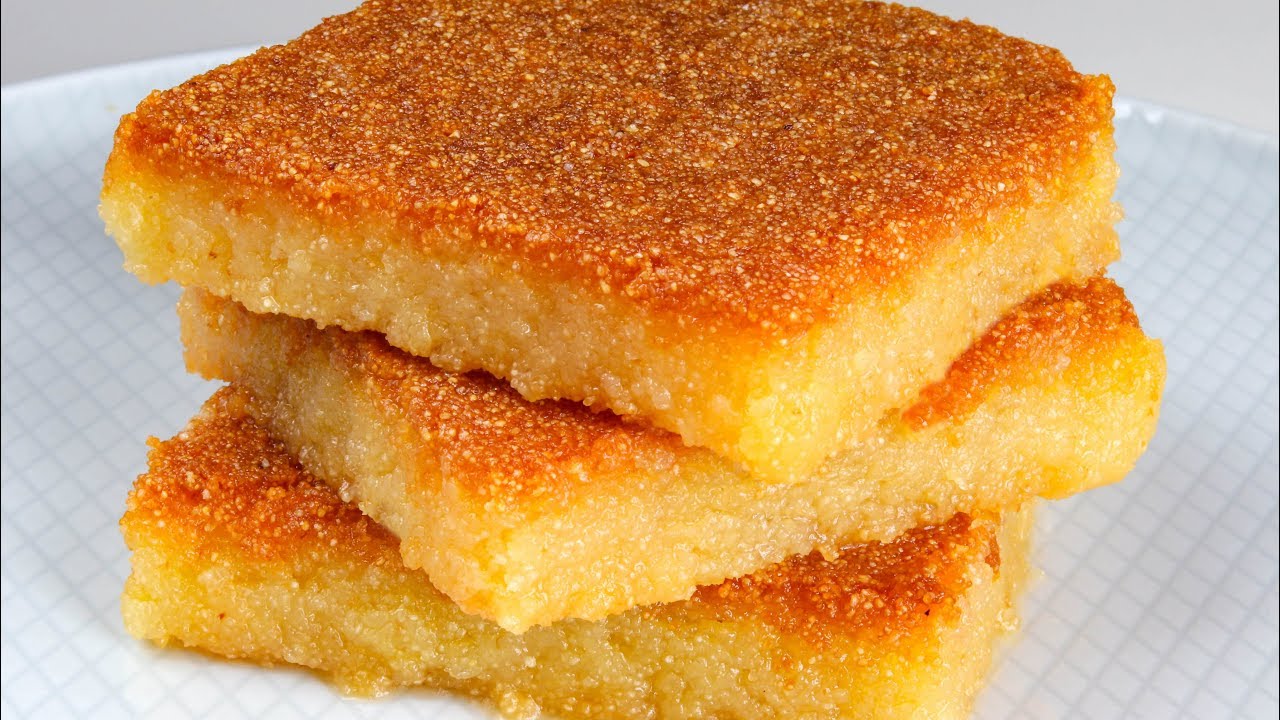
Basbousa is one of the most beloved desserts in Libya and across the Middle East. This semolina-based cake, soaked in fragrant rose-water syrup, appears on Libyan tables during Eid, weddings, Ramadan iftar, and everyday tea time. But what if you have no eggs or prefer an eggless version?
This recipe delivers the same tender, moist texture using yogurt and coconut as alternative binders. According to Sayidaty Kitchen, one of the Arab world's most trusted recipe platforms, eggless basbousa relies on these ingredients to achieve its signature crumb without compromising taste or structure.
Traditional basbousa recipes use whole eggs as a binder. The eggless version offers clear advantages. It reduces cholesterol while keeping the dessert's rich flavor. It works for those with egg allergies or dietary restrictions — a growing consideration in modern nutrition. And for Libyan cooks, the yogurt-and-semolina combination creates a denser, more satisfying bite that many families actually prefer. Coconut adds natural sweetness and texture, reducing the need for extra sugar.
Preheat your oven to 180°C (356°F). Grease a 9×13 inch baking tray and dust it with a thin layer of semolina to prevent sticking. In a large bowl, combine the dry ingredients: semolina, coconut, sugar, and baking powder. Whisk well. In a separate bowl, mix yogurt, oil or ghee, and vanilla until smooth. Pour the wet ingredients into the dry and fold gently with a spatula until just combined — do not overmix.
Pour the batter into the prepared tray and spread evenly. Score the surface in diamond or square patterns with a sharp knife — this makes cutting easier and helps the syrup penetrate. Optionally, place an almond or pine nut on each piece for decoration. Bake for 30–35 minutes until golden brown and a toothpick comes out clean.
While baking, prepare the syrup. Combine sugar and water in a saucepan over medium heat. Stir until the sugar dissolves, then bring to a gentle boil. Add rose water, lemon juice, and orange blossom water. Simmer for 8–10 minutes until slightly thickened, then remove from heat.
As soon as the basbousa comes out of the oven, pour the cold syrup evenly over the hot cake. This temperature contrast is the secret — the hot cake absorbs cold syrup immediately, creating that unmistakable moist texture. Let the basbousa rest for at least 30 minutes before serving.
Serve basbousa at room temperature with Libyan mint tea or strong Turkish coffee. For special occasions, top with clotted cream (ashta) or fresh fruit. In Libyan homes, this dessert shines during Eid, weddings, and Ramadan gatherings. Store leftovers in an airtight container at room temperature for up to three days or refrigerate for up to a week. The basbousa becomes even more flavorful on the second day as the syrup continues to soak in.
This eggless basbousa reduces cholesterol compared to traditional recipes. Semolina provides sustained energy, coconut offers healthy fats and fiber, and yogurt contributes calcium and probiotics — an excellent choice for health-conscious Libyan families who refuse to compromise on taste.
— Libya Press / Food Desk