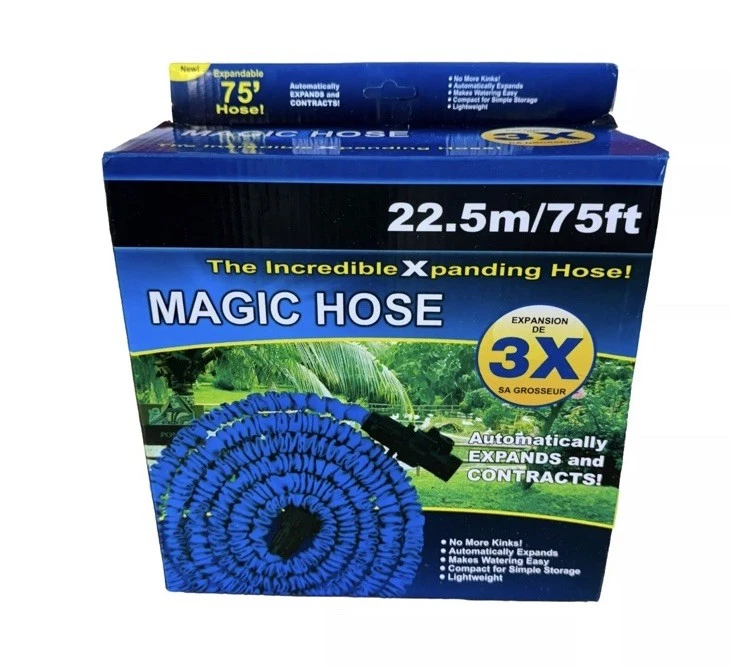
خرطوم مياه قابل للتمدد من ماجيك هوز
وفر 50%! اشترِ خرطوم مياه قابل للتمدد من ماجيك هوز بسعر 165.12 د.ل فقط في ليبيا.
🛒 تسوق الآن Libya Press
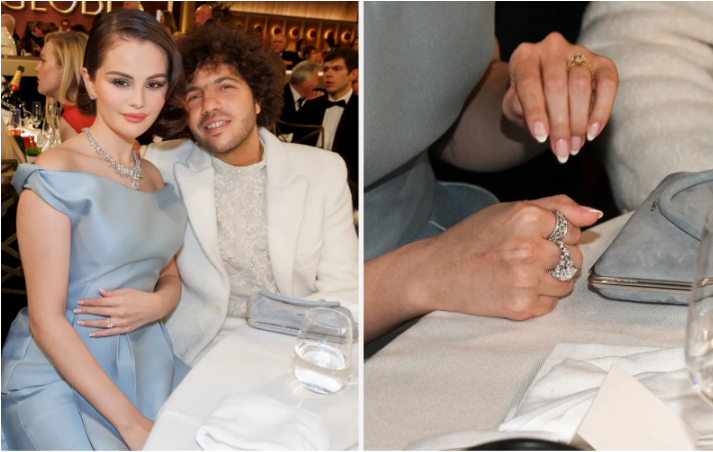
When Selena Gomez announced her engagement in December 2024, the world's attention turned to her stunning ring. The marquise-cut centerpiece, with its elegant elongated silhouette, captivated fans and jewelry enthusiasts worldwide. But what caught industry experts' attention was not just the ring's beauty — it was the strong possibility that Gomez chose a sustainable diamond alternative from the ethical brand Etika Jewels.
The ring bears a striking resemblance to the "Amna" ring by Etika Jewels, a brand renowned for lab-grown diamonds and ethical sourcing. This choice aligns with a growing movement among celebrities toward eco-conscious luxury, proving that sustainability and glamour can coexist beautifully.
Etika Jewels has gained a loyal following by specializing in lab-grown diamonds that are chemically identical to mined diamonds but come without the environmental and humanitarian costs of traditional mining. The "Amna" ring features a marquise-cut lab-grown diamond on a delicate band, with 58 facets that maximize brilliance and create an elegant elongating effect on the finger.
According to jewelry analysts, a similar ring from Etika Jewels would cost between $3,000 and $8,000 — dramatically less than the $50,000 or more for a mined diamond of equivalent quality. This price difference reflects one of the core appeals of lab-grown diamonds: exceptional value without compromising on beauty or durability.
The lab-grown diamond market grew approximately 8% in 2024, driven by increasing consumer awareness of mining's environmental toll. Traditional diamond mining contributes to soil erosion, deforestation and water pollution, while conflict diamonds — also known as blood diamonds — have fueled humanitarian concerns in several African nations.
Industry research shows that 84% of millennial and Gen Z consumers consider sustainability an important factor when purchasing jewelry. Libyan consumers, particularly younger demographics, are increasingly part of this global consciousness, seeking ethical fashion and sustainable luxury through international e-commerce platforms that ship across the region.
Lab-grown diamonds are created through two primary methods: High Pressure High Temperature (HPHT) and Chemical Vapor Deposition (CVD). Both replicate the natural conditions under which diamonds form beneath the Earth's surface, producing stones with identical optical, chemical and physical properties to mined diamonds.
Selena Gomez joins a growing list of celebrities who have chosen sustainable or ethically sourced stones for milestone jewelry. Penelope Cruz, Meghan Markle and Bindi Irwin have all been spotted wearing ethically sourced diamonds, reflecting a broader cultural shift toward conscious consumerism in luxury markets.
"Choosing a lab-grown diamond is no longer a compromise — it's a statement," said Sandy Momji, a jewelry industry analyst. "Celebrities like Selena Gomez are normalizing ethical luxury for a global audience." Following Gomez's engagement announcement, online searches for "lab-grown diamond engagement rings" surged over 300%, demonstrating the power of celebrity influence in driving sustainable consumer choices.
For consumers in Libya and across the Arab world, lab-grown diamonds open new possibilities in affordable luxury. International shipping, online consultations and certification guarantees make these sustainable alternatives accessible to buyers regardless of location. Whether through Etika Jewels or other ethical brands, the ability to make informed, value-driven jewelry choices is now truly global.
Whether Selena Gomez's ring is from Etika Jewels or simply inspired by it, one thing is clear: sustainable diamond alternatives have firmly entered the mainstream. The conversation is no longer about whether lab-grown diamonds are "real" enough — it is about how luxury, responsibility and beauty can advance together.
— Libya Press / Women's Desk