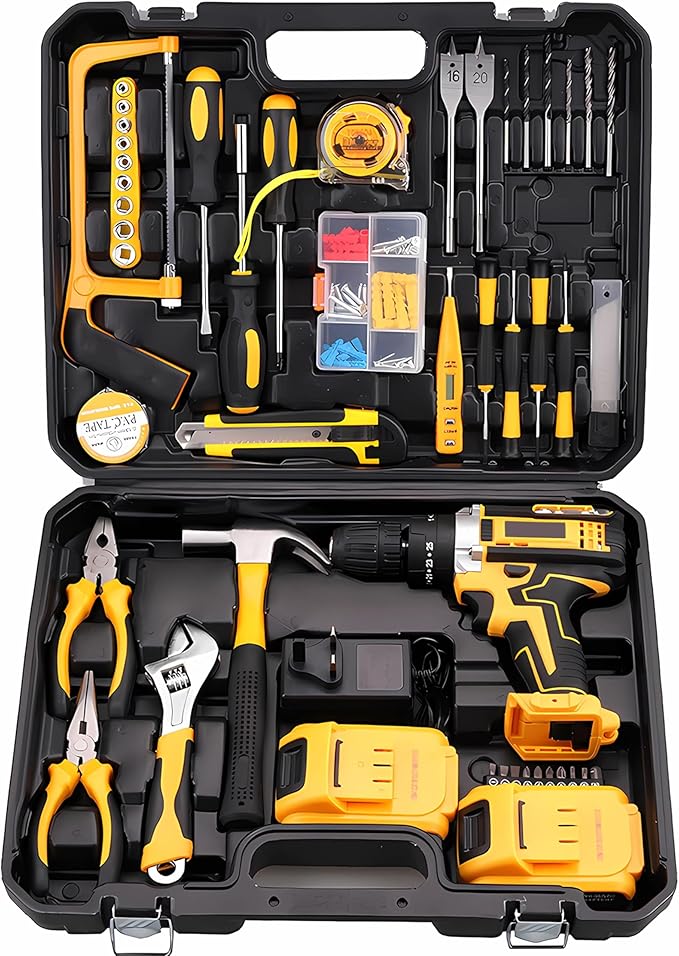
طقم أدوات كهربائية بقوة 48 فولت
وفر 7%! اشترِ طقم أدوات كهربائية بقوة 48 فولت بسعر 662.4 د.ل فقط في ليبيا. متوفر
🛒 تسوق الآن Libya Press
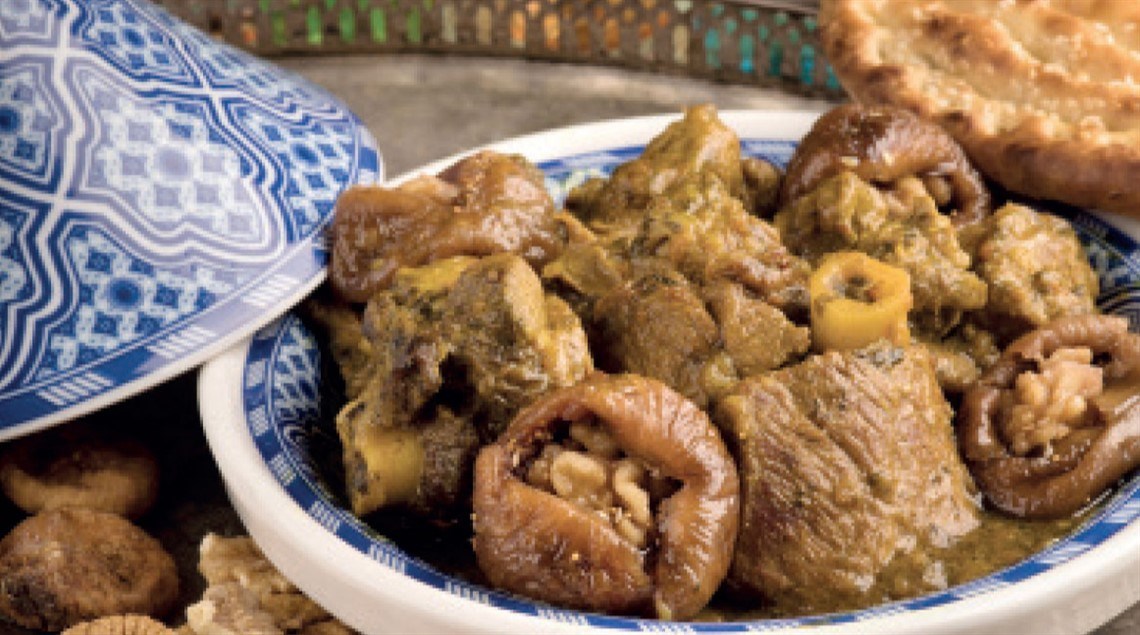
Across North Africa, traditional food preservation methods continue to shape local cuisines — and tichtar, the beloved dried meat preparation, stands as one of the most enduring culinary traditions in Libya and Mauritania. This ancient technique, which involves carefully drying and defatting meat for long-term storage, has been passed down through generations and remains a staple in households across the region. The method is gaining renewed attention as home cooks rediscover the depth of flavor and nutritional value it offers.
Tichtar — known locally across Libya, Mauritania, and parts of Morocco — is lean meat that has been meticulously trimmed of all fat, salted, and sun-dried over a period of several days. The process removes moisture completely, allowing the meat to be stored for months without refrigeration. This made it an essential survival food for desert communities, traders, and nomadic families who needed reliable protein sources during long journeys across the Sahara.
The technique is remarkably similar to what is known as "qadid" in Mauritanian cuisine and "kaddid" in Moroccan cooking. In the Dhofar region of Oman, a nearly identical method produces the famous "ma'jeen" dish, where dried meat is cooked into a rich, flavorful meal. The cross-cultural presence of this preservation method highlights its practical brilliance and universal appeal across arid climates.
For many Libyan families, preparing tichtar is not merely a cooking task — it is a communal event that brings women together during the cooler months. Grandmothers teach younger generations the precise timing, the right thickness for slicing, and the instinctive knowledge of when the meat has dried perfectly.
"My grandmother could tell by touch alone whether the meat was ready," shared one home cook from Tripoli who learned the technique from her family. "She would say the meat should feel like leather but still have a slight give to it. That knowledge cannot be found in any cookbook — it lives in the hands of women who have done this for decades."
In Libya, where food traditions carry deep cultural significance, tichtar represents more than sustenance — it is a connection to ancestral knowledge and desert heritage. As modern lifestyles shift toward convenience foods, many Libyan women are actively reviving traditional recipes like tichtar to preserve their culinary identity. The method also offers practical advantages: it requires no electricity, no special equipment, and uses simple, affordable ingredients that are available in any local market.
Furthermore, the growing global interest in sustainable food preservation and zero-waste cooking has brought renewed appreciation to techniques like tichtar. Libyan food bloggers and social media influencers have begun sharing their family recipes online, introducing this ancient method to a new generation of cooks who value both tradition and nutrition.
Making tichtar at home is simpler than most people expect. Start with 2 kilograms of lean beef or lamb, sliced into thin strips about 1 centimeter thick. Rub each strip generously with coarse salt and hang them in a sunny, well-ventilated area using clean string or wire. Allow 5 to 7 days for complete drying. Once ready, store in a cloth bag in a cool, dry place. To cook, soak the dried meat in water for 2 hours, then simmer with cumin, garlic, tomatoes, and olive oil for a deeply flavorful dish that connects you to centuries of North African culinary wisdom.
This is your invitation to bring a piece of Libyan heritage into your kitchen. Try the tichtar method this week and discover why generations of North African families have trusted this remarkable preservation technique.
— LibyaPress / Women's Desk