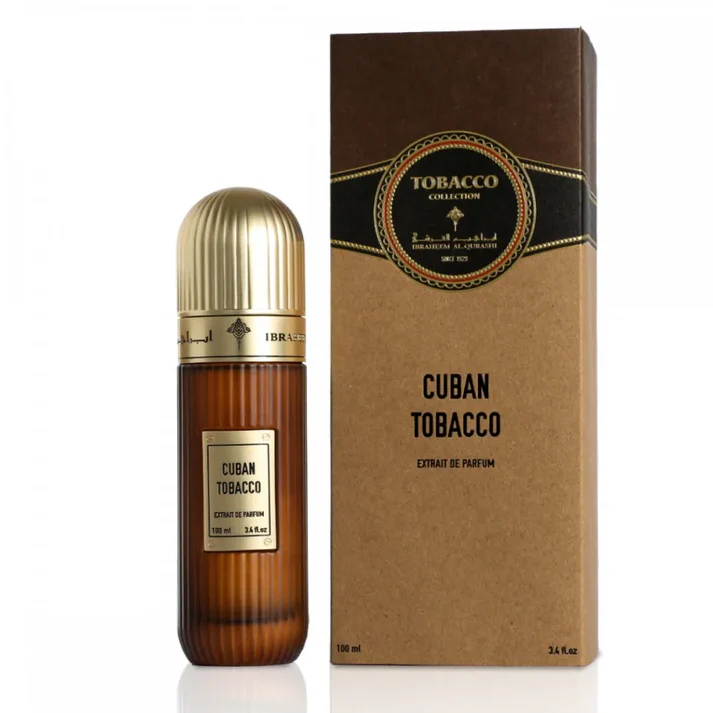
عطر التبغ العربي 100 مل
وفر 46%! اشترِ عطر التبغ العربي 100 مل بسعر 213.89 د.ل فقط في ليبيا. متوفر حاليا
🛒 تسوق الآن Libya Press
A senior member of Libya's High Council of State has expressed strong optimism that the upcoming elections for the council's presidency, scheduled for this week, could finally resolve the longstanding institutional rift with the House of Representatives, paving the way for a unified political track.
Amna Imtir, a prominent figure within the High Council of State, told Al-Masar Television that the presidential vote, expected to take place at the council's headquarters in Tripoli, represents a critical opportunity to reset relations between Libya's two legislative bodies.
"I expect the council's presidential elections, scheduled for the end of this week, to contribute to ending the disputes with the House of Representatives," Imtir stated. "But that depends entirely on the next president and their openness to consensus, willingness for dialogue, and readiness to communicate."
Her remarks come at a time when Libya's political landscape remains deeply fragmented. The High Council of State, established under the 2015 Libyan Political Agreement (LPA), and the House of Representatives, based in Benghazi, have been locked in a series of jurisdictional and legislative conflicts that have repeatedly stalled progress toward comprehensive elections.
The relationship between the two chambers reached a new low earlier this year over disagreements regarding the legal framework governing the country's long-awaited presidential and parliamentary elections.
The race for the council's presidency has drawn multiple candidates, each representing different political currents within Libya. The election comes at a particularly sensitive moment, as international mediators, including the United Nations Support Mission in Libya (UNSMIL), have been pushing both institutions to reach a consensus on the constitutional basis for elections.
The next president of the High Council of State will play a pivotal role in shaping the council's negotiating position with the House of Representatives on key outstanding issues, including the unified budget, the management of state revenues, and the security arrangements needed to create a conducive environment for elections.
Imtir did not limit her comments to inter-institutional relations. She also leveled sharp criticism at the Government of National Unity (GNU) led by Prime Minister Abdul Hamid Dbeibeh, accusing it of failing to address Libya's most pressing daily challenges.
"The Government of National Unity bears responsibility for the crises the country is witnessing, foremost among them the continuous power cuts, the severe liquidity shortage, and the rising dollar exchange rate," Imtir said. "The government must work to resolve these issues. The situation in the country has reached a critical point — it has never been this bad under previous administrations."
Electricity outages have become a near-daily occurrence across much of western Libya, with residents in Tripoli and surrounding areas reporting up to 12 hours of scheduled blackouts per day during the summer months. The liquidity crisis has left many Libyans unable to withdraw their salaries from state-owned banks, while the parallel market exchange rate of the Libyan dinar against the US dollar continues to fluctuate wildly.
Despite the challenges, Imtir's comments reflect a cautious but genuine sense of hope within certain circles of the State Council that institutional reforms can still move forward. Several analysts have noted that a new leadership in the council — one more willing to compromise — could break the cycle of mutual accusations that has paralyzed legislative work for years.
On June 18, 2026, the House of Representatives, the High Council of State, and the Presidential Council agreed upon a principles document and roadmap to hold unified parliamentary and presidential elections by February 17, 2027 — a development widely welcomed by the international community.
The success of that roadmap, however, hinges on both legislative bodies finding common ground. The State Council's presidential election this week will be the first major test of whether that spirit of compromise can prevail.
Libyans across the country continue to watch these political maneuvers closely, hoping that institutional reconciliation — however fragile — can eventually translate into tangible improvements in their daily lives.
— Libya Press / News Desk