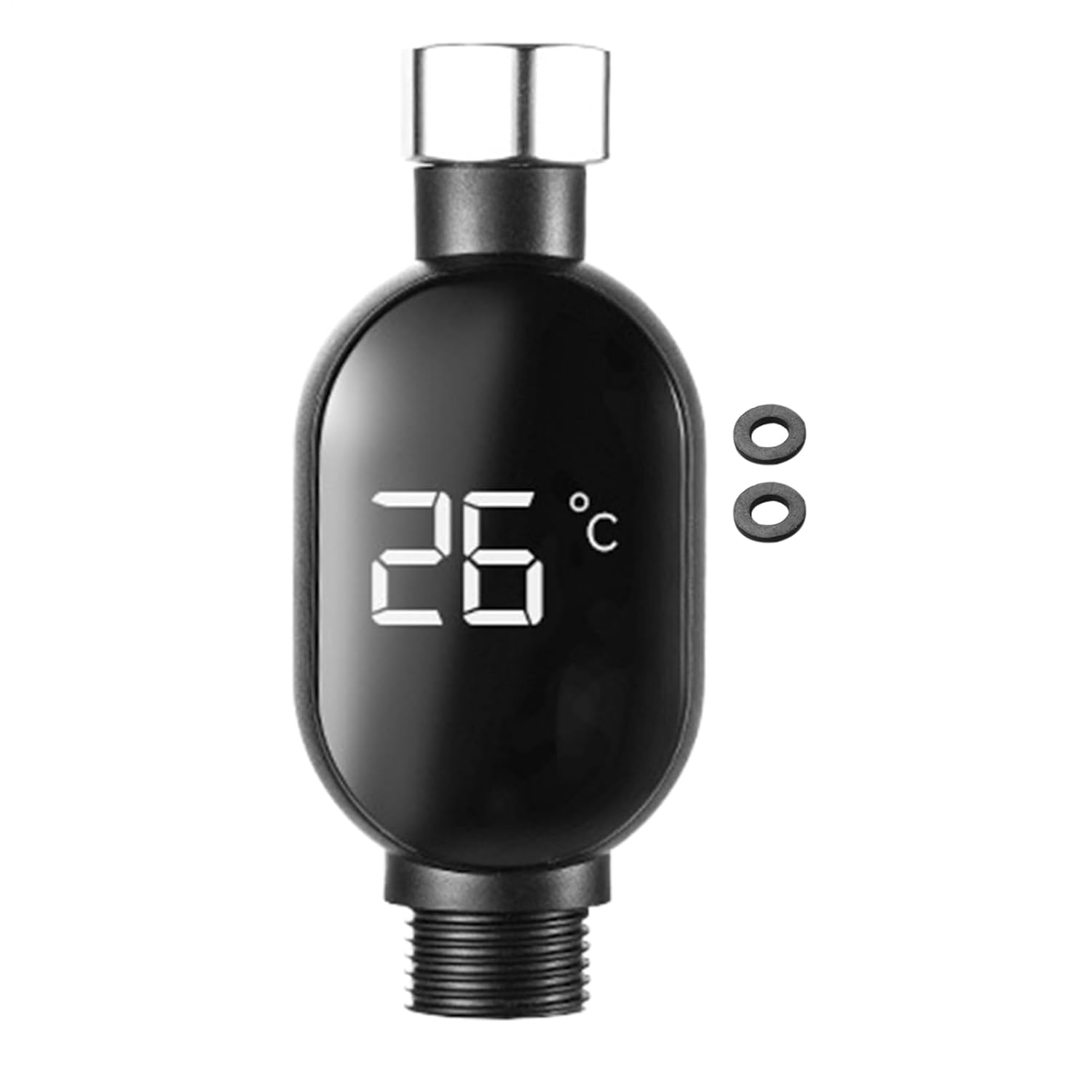
جهاز مراقبة درجة حرارة تدفق المياه
وفر 35%! اشترِ جهاز مراقبة درجة حرارة تدفق المياه بسعر 163.2 د.ل فقط في ليبيا. م
🛒 تسوق الآن Libya Press
The Cockroach Janta Party (CJP) — a movement that began as an online joke — achieved its first major victory this weekend when India's Education Minister Dharmendra Pradhan stepped down over a massive exam paper leak scandal. The resignation came after 36 days of sustained protests across Indian cities, with thousands of young demonstrators camping in New Delhi and Mumbai.
The movement, called the "Cockroach" protests by its participants, represents one of the most serious challenges to Prime Minister Narendra Modi's government in recent years. What started as a satirical Facebook page rapidly transformed into a nationwide youth uprising demanding accountability.
The Cockroach Janta Party was created by Abhijeet Dipke, a young Indian who posted a satirical social media message 36 days before the minister's resignation. The post mocked the government's handling of multiple crises, but it resonated deeply with India's youth — particularly students affected by the National Eligibility cum Entrance Test (NEET) paper leak scandal.
"We have done it," protesters chanted as news of Pradhan's resignation spread through the crowds in Delhi and Mumbai. The CJP rapidly became the organizing force behind the protests, adopting the NEET crisis as its central cause and turning online anger into street-level mobilization.
The movement's name — "Cockroach" — was originally intended as an insult by critics, but protesters reclaimed it as a badge of resilience. Much like cockroaches, they argued, the youth of India cannot be stamped out.
At the heart of the protests is the NEET exam paper leak, a scandal that exposed deep flaws in India's higher education admission system. Thousands of students who had spent years preparing for the medical entrance exam found their futures jeopardized by compromised test papers. The scandal eroded public confidence in the Education Ministry and sparked demands for systemic reform.
Pradhan's resignation marks a significant concession by the Modi government, which had initially dismissed the protests as the work of "mischievous elements." The government imposed restrictions in New Delhi and deployed police to disperse crowds, but the movement continued to grow. Videos of police crackdowns on young protesters — many of them teenage girls and boys — only fueled public sympathy.
The Cockroach movement is a textbook case of how digital-age organizing can translate into real political power. Starting from a single Facebook post, the CJP leveraged social media algorithms, viral hashtags, and youth networks to build a decentralized protest structure that authorities found difficult to suppress.
Experts note that the movement's satirical branding gave it a cultural resilience that traditional political parties lack. By refusing to take itself too seriously, the CJP made itself harder to attack. Criticizing "cockroaches" only amplified the movement's message among young Indians already skeptical of establishment politics.
The movement drew comparisons to other youth-led protests worldwide — from Sudan's revolution to Lebanon's October uprising — where humor and digital organizing combined to challenge entrenched power structures.
While the Cockroach protests are uniquely Indian in their context, their implications resonate across the Global South — including Libya. The movement demonstrates how a single issue of institutional failure (exam leak, corruption, service collapse) can ignite sustained youth mobilization when trust in government institutions collapses.
In Libya, where youth unemployment remains high and public services have deteriorated through years of conflict, the Indian example raises questions about accountability and the power of digital-age civic action. The Cockroach movement's success — forcing a cabinet minister's resignation through sustained, non-violent protest — offers a model of youth-led accountability that transcends borders.
The coming weeks will test whether the CJP can convert its protest momentum into lasting political change, or whether Pradhan's resignation will satisfy public demands. For now, India's "cockroaches" have proven they cannot be ignored.
— Libya Press / Politics Desk