
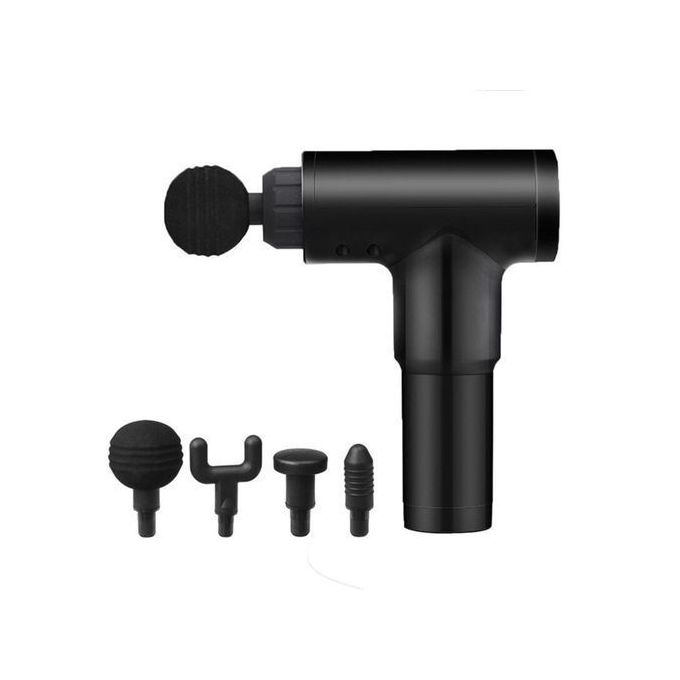
جهاز التدليك
وفر 39%! اشترِ جهاز التدليك بسعر 238.08 د.ل فقط في ليبيا. متوفر حالياً، الدفع عن
🛒 تسوق الآن Libya Press
Tripoli is set to welcome leading physicians, surgeons, and medical researchers from across the globe for the International Conference on Clinical Medicine and Robotic Surgery Innovations, scheduled for August 10–11, 2026. The two-day event, organized by SCIENCENET, represents one of the most significant health-sector conferences to be held in Libya in recent years, signaling the country's growing role in the global medical community.
The conference, abbreviated as ICCMRSI-2026, will convene specialists in clinical medicine and robotic surgery at a time when healthcare systems worldwide are rapidly adopting artificial intelligence and robotic-assisted procedures. Libya's selection as the host venue underscores renewed international confidence in the country's ability to organize and lead high-level scientific gatherings. The event is expected to attract hundreds of delegates representing universities, hospitals, and research institutions from multiple continents.
According to the event's official listing, the conference focuses on the intersection of science, technology, and sustainable solutions to modern medical challenges. Sessions will cover breakthrough techniques in robotic surgery, innovations in clinical diagnostics, and the integration of digital health tools into everyday medical practice.
The global robotic surgery market has been expanding at a remarkable pace, with projections estimating it will surpass $20 billion by 2027. Procedures performed with robotic assistance offer patients smaller incisions, reduced blood loss, shorter hospital stays, and faster recovery times. These advantages have driven adoption across specialties including urology, gynecology, general surgery, and cardiothoracic procedures.
For Libya, where the healthcare sector has faced significant challenges over the past decade, hosting such an international conference signals a commitment to aligning with global medical standards. Libyan physicians attending the event will have direct access to the latest techniques and technologies, potentially accelerating the adoption of minimally invasive surgical procedures in local hospitals.
Dr. Ahmed Al-Mahdi, a Tripoli-based surgeon familiar with the event's organizing committee, emphasized the importance of bringing international medical expertise to Libya. "This conference is not just about presentations and papers. It is about connecting Libyan doctors with the global frontier of robotic surgery and clinical innovation. The knowledge transfer that happens in these two days could reshape how we approach complex surgeries in our hospitals," he stated.
SCIENCENET, the organizing body behind ICCMRSI-2026, has a track record of facilitating scientific conferences across the Middle East and North Africa region. Their focus on science and technology as drivers of sustainable development aligns with Libya's broader vision for rebuilding its healthcare infrastructure.
Libya's healthcare system has endured years of conflict, underinvestment, and brain drain, with many of its trained physicians seeking opportunities abroad. Hosting an international conference of this caliber sends a powerful message: Libya is open for scientific collaboration and is actively working to modernize its medical sector.
The event also presents economic opportunities for local businesses, including hospitality, transportation, and medical equipment suppliers. More importantly, it offers Libyan medical professionals a chance to network with international peers, forge research partnerships, and bring cutting-edge clinical practices back to their home country. For patients in Libya, the long-term benefit could mean access to advanced surgical procedures without the need to travel abroad for treatment.
As the August 10 conference date approaches, organizers are finalizing the scientific program, which is expected to feature keynote addresses from pioneering robotic surgeons, hands-on workshops, and panel discussions on the ethical and practical challenges of integrating artificial intelligence into clinical medicine.
The successful hosting of ICCMRSI-2026 could pave the way for Libya to become a recurring destination for international medical conferences, further cementing its position as a regional leader in healthcare innovation. For Libya's medical community, this event represents not just a conference but a gateway to the future of clinical medicine.
— LibyaPress / Health Desk
===END_ENGLISH===