
مضخة مياه الشرب
وفر 30%! اشترِ مضخة مياه الشرب بسعر 167.04 د.ل فقط في ليبيا. متوفر حالياً، الدفع
🛒 تسوق الآن Libya Press
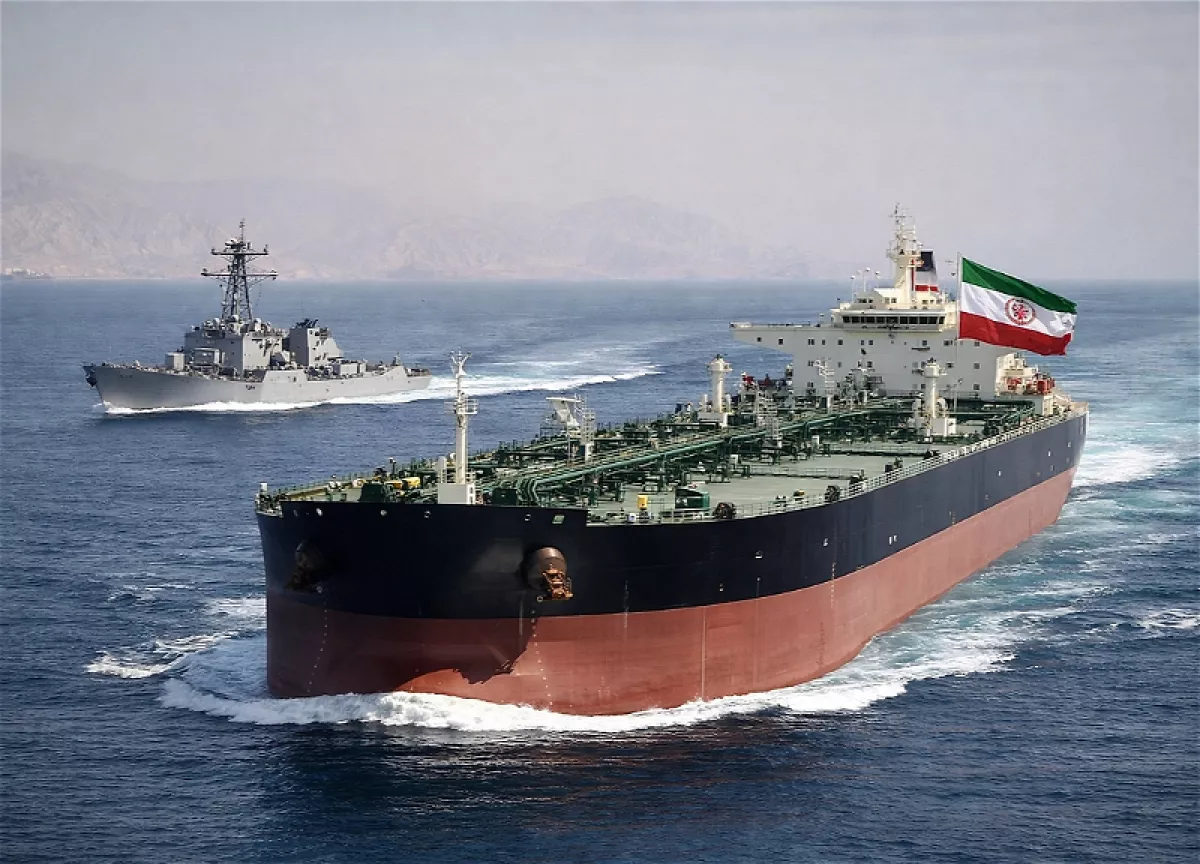
Iran has exported approximately 40 million barrels of crude oil since June 15, 2026, according to data published by TankerTrackers.com, a leading maritime tracking firm that monitors global oil tanker movements. The staggering volume, achieved in roughly ten days, signals a dramatic acceleration in Iran's oil export operations following a period of significant disruption caused by the escalation in the Middle East conflict.
The data, which relies on satellite imagery and automatic identification system (AIS) tracking of oil tankers leaving Iranian ports, indicates that nearly half of the total export volume was shipped within a single day. This unprecedented surge comes after Iran successfully resumed its first crude oil shipments in approximately two months, following the lifting of a naval blockade that had effectively paralyzed the country's primary source of government revenue.
The resumption of Iranian crude exports follows a complex chain of geopolitical developments. After weeks of military escalation that disrupted shipping lanes in the Strait of Hormuz and the broader Persian Gulf region, the United States lifted its naval blockade on Iranian oil tankers, allowing exports to flow once again through critical maritime chokepoints.
TankerTrackers.com, which provides real-time data on crude oil shipments worldwide, confirmed the 40-million-barrel figure in its latest report. The firm noted that the pace of exports has been remarkable, with multiple Very Large Crude Carriers (VLCCs) departing from Iran's primary export terminals at Kharg Island and Bandar Mahshar at rates not seen since before the conflict escalation began.
The sudden influx of 40 million barrels of Iranian crude into global markets carries significant implications for international oil prices and supply dynamics. Iran, a member of OPEC, holds some of the world's largest proven oil reserves, and its return to full export capacity could exert downward pressure on global crude prices at a time when energy markets remain fragile.
Analysts warn that sustained export volumes at these levels could offset production cuts maintained by other OPEC members, potentially reshaping the cartel's market strategy in the coming months. The development also raises questions about the durability of the current de-escalation in the Middle East and whether the export corridor will remain open in the weeks ahead.
For Libya, which depends almost entirely on oil exports for government revenue and foreign currency earnings, the resumption of Iranian crude shipments introduces a new competitive dynamic in the global oil market. Libya's own oil production has faced repeated disruptions due to political instability and infrastructure challenges, and increased Iranian supply could put additional pressure on Libyan crude prices and market share.
North African oil-producing nations, including Algeria and Libya, closely monitor global supply trends as they directly impact national budgets and economic planning. The situation underscores the interconnected nature of energy markets and the vulnerability of oil-dependent economies to geopolitical shifts beyond their immediate region.
Maritime tracking firms and energy analysts will continue monitoring Iranian export volumes in the coming days to determine whether the current pace is sustainable or represents a temporary surge driven by pent-up demand and the need to clear storage capacity. The international community, including the United Nations and key diplomatic actors, is expected to closely watch developments in the Persian Gulf to ensure the stability of global energy supply chains.
For now, the 40-million-barrel milestone represents a significant turning point for Iran's oil sector and a development with far-reaching consequences for energy markets worldwide.
— LibyaPress / Economy Desk