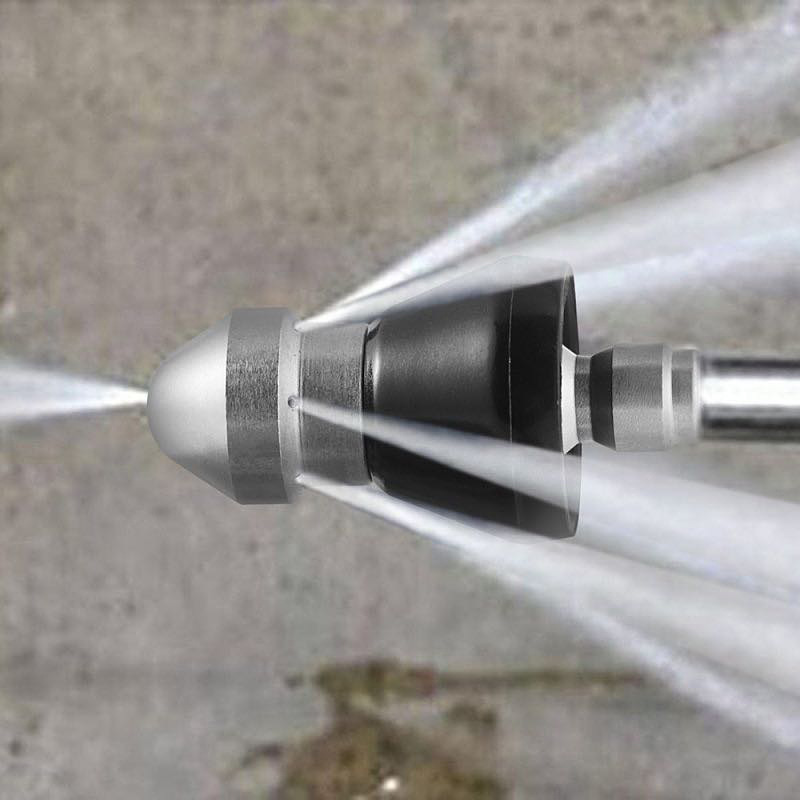
أداة تنظيف الصرف
وفر 44%! اشترِ أداة تنظيف الصرف بسعر 156.29 د.ل فقط في ليبيا. متوفر حالياً، الدف
🛒 تسوق الآن Libya Press
The United States is preparing to host high-level Libyan consultations this week, marking a significant escalation in Washington's diplomatic engagement with Libya. The move comes as Musaed Boulos, a senior advisor to former President Donald Trump, has launched a parallel initiative to resolve Libya's decade-long crisis, drawing attention away from the United Nations-led political process.
According to Al-Araby Al-Jadeed, the planned consultations represent the most direct American intervention in Libyan affairs since 2020. Washington's decision to host Libyan political figures on US soil underscores growing frustration with the stalled UN-mediated talks and the persistent division between rival governments in Tripoli and eastern Libya.
The timing is critical. Libya has operated under two competing administrations for over three years, with the Government of National Unity in Tripoli facing challenges from the eastern-based government backed by Field Marshal Khalifa Haftar. The US appears determined to break this deadlock through direct engagement rather than relying solely on multilateral frameworks.
Musaed Boulos, a Lebanese-American businessman and Trump family advisor, has emerged as an unexpected player in Libyan diplomacy. His initiative, which gained momentum in April 2026 during meetings in Antalya, Turkey, proposes a fresh framework for institutional unification that bypasses traditional UN channels.
The UN Support Mission in Libya (UNSMIL) has led mediation efforts since 2011, but progress has been minimal. Boulos's approach reportedly focuses on economic incentives and security guarantees for Libyan stakeholders, a formula that has attracted interest from key Libyan factions skeptical of the UN's political roadmap.
Libyan political analysts have expressed mixed reactions to the American push. "Any serious effort to unify Libyan institutions deserves support, but Libyans must lead the process — not have solutions imposed from Washington," said one Tripoli-based political researcher, speaking on condition of anonymity due to the sensitivity of ongoing negotiations.
Others view the Boulos initiative with caution, noting that previous external interventions have often complicated rather than resolved Libya's political fragmentation. The concern remains that competing international agendas could deepen divisions rather than bridge them.
For ordinary Libyans, institutional unification is not an abstract political concept — it directly affects daily life. A unified government would mean consistent public services, a functioning central bank, and coordinated infrastructure investment across the country's divided regions.
Libya's oil revenues, estimated at over $20 billion annually, remain unevenly distributed due to institutional fragmentation. Unification could unlock billions in reconstruction funding and attract foreign investment that has been deterred by political instability. The stakes could not be higher for a country where 30% of the population requires humanitarian assistance.
The coming weeks will be decisive. If the US-hosted consultations produce a concrete roadmap for institutional unification, it could reshape Libya's political landscape. However, success depends on whether Libyan factions can overcome mutual distrust and whether Washington can maintain pressure without appearing to dictate terms.
LibyaPress will continue to monitor developments as they unfold. For Libya to move forward, its leaders must seize this moment — with or without external pressure — to finally put the interests of 7 million Libyans above personal and factional ambitions.
— LibyaPress / Politics Desk
===END_ENGLISH===