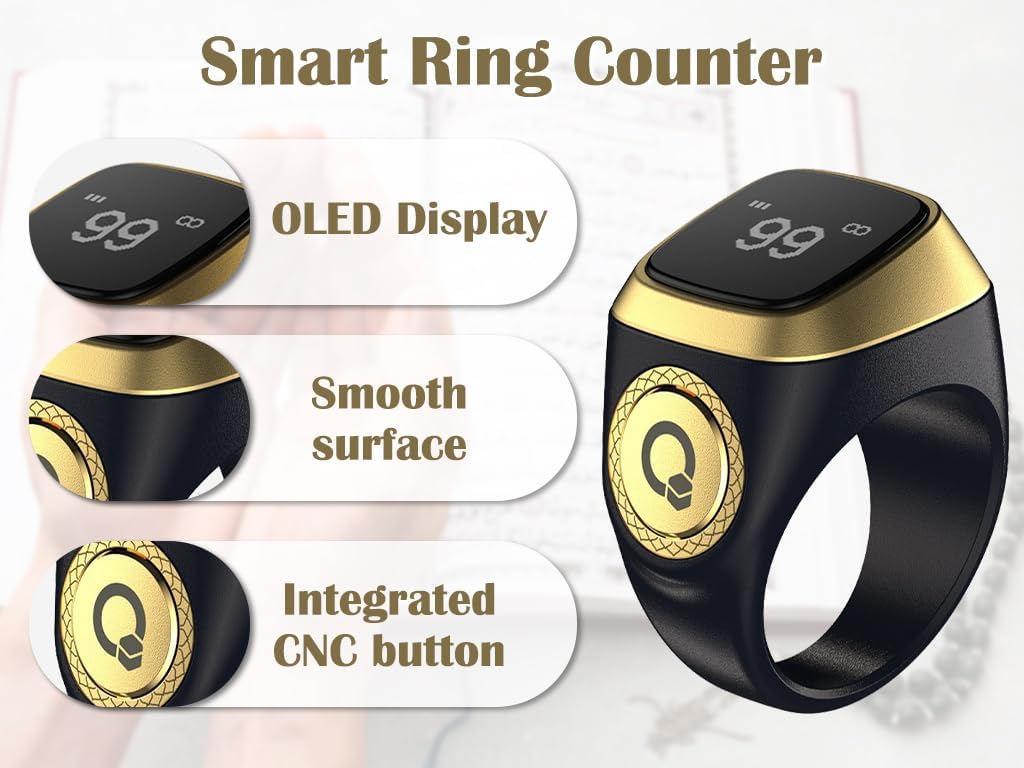
خاتم التسبيح الذكي
وفر 23%! اشترِ خاتم التسبيح الذكي بسعر 278.4 د.ل فقط في ليبيا. متوفر حالياً، الد
🛒 تسوق الآن Libya Press
Libyan women are leading a quiet jewelry renaissance, with global accessories market projected to reach $687 billion by 2026—up 4.5% annually. While international brands dominate headlines, a new generation of Libyan designers is weaving local heritage into pieces that speak to both tradition and modern ambition.
In the bustling medina of Tripoli, statement earrings have become the season's most powerful accessory. Data from regional fashion weeks show a 68% increase in bold earring sales among women aged 25-40. These aren't mere ornaments—they're declarations of confidence.
"My grandmother wore simple gold bands, but today I want pieces that tell my story," says Fatima Ben Youssef, a jewelry designer based in Zawiya. Her handcrafted earrings, featuring reclaimed Libyan coral and recycled silver, have attracted clients from Benghazi to Misrata.
The modern Libyan woman carries more than just essentials—she carries identity. Crossbody bags in cognac leather have surged 42% in popularity, according to local boutique data. These bags work as hard as their owners: commuting to universities, running businesses, and navigating daily life with purpose.
Sara Al-Mahdi, who runs a small accessories shop in Benghazi, notes that customers increasingly seek bags with hidden compartments for phones and documents. "They need functionality," she explains, "but they also want something beautiful."
Gone are the days when Libyan women prioritized style over comfort. A 2025 survey revealed that 73% of female respondents now own at least one pair of supportive yet stylish sandals. This shift reflects broader changes in work and social patterns across Libya.
The trend favors natural materials—cork soles, linen uppers, and vegetable-tanned leathers. These choices aren't just comfortable; they signal a growing interest in sustainable fashion that honors traditional craftsmanship.
Color forecasting firm ColorAffect reports that Libyan accessory buyers favor earth tones: terracotta, sand, and muted gold. These hues resonate with the desert landscape and reflect a desire for grounded elegance.
"We're seeing less black and more brown, less silver and more bronze," observes designer Amira Hassan. "It's about warmth, about connection to our land."
The rise of mobile commerce has transformed how Libyan women shop for accessories. WhatsApp groups, Instagram shops, and local delivery services now handle an estimated 58% of accessory transactions in urban areas. This digital shift has democratized access to both international brands and local artisans.
Mona Ibrahim, a student in Sabha, purchased her wedding accessories entirely online. "I could compare designs, read reviews, and have them delivered to my family's shop," she recalls. "It felt modern and respectful."
Looking ahead, personalization is the next frontier. Custom engraving, monogramming, and made-to-order pieces are gaining traction. Libyan artisans are combining this with traditional techniques—hand-stamping silver, weaving local threads, setting stones with ancient methods.
This isn't about chasing global trends; it's about creating something uniquely Libyan that women can wear with pride. As the accessories market grows, the most successful players will be those who understand that jewelry and accessories are tools of self-expression—not just decoration.
In cafes from Benghazi to Tobruk, young women are photographing their outfits with the same care they once reserved for family portraits. The difference? Now they're photographing themselves alongside their accessories, ready to share with the world.
— Libya Press / Women's Desk