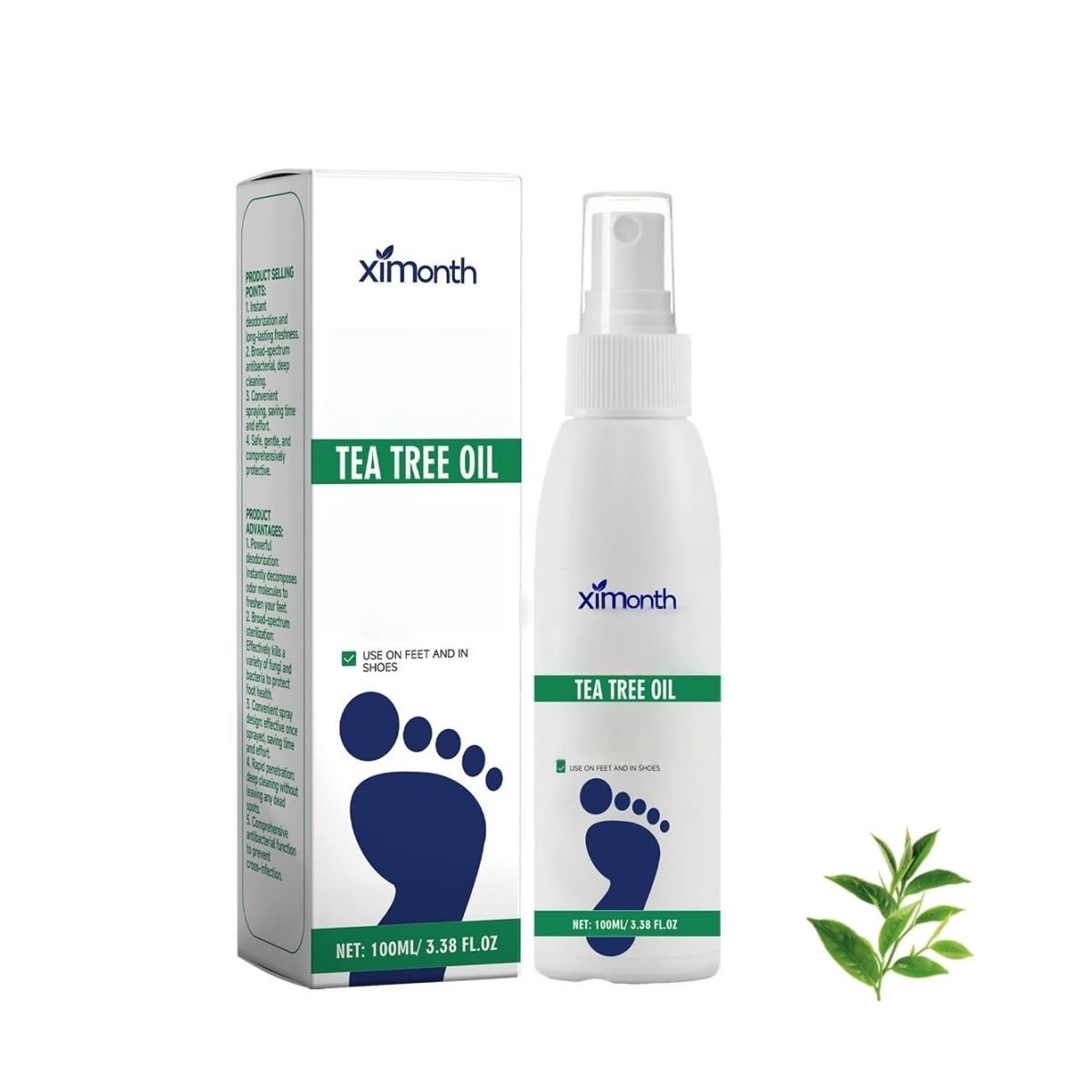

جل استحمام بيوتي سيستم معطر 500 مل
وفر 27%! اشترِ جل استحمام بيوتي سيستم معطر 500 مل بسعر 252.29 د.ل فقط في ليبيا.
🛒 تسوق الآن Libya Press
The W.K. Kellogg Foundation has announced expanded grant opportunities for 2026, targeting organizations that drive racial equity, child wellbeing, and family economic success. The foundation, one of the largest philanthropic organizations in the United States, continues its rolling application process, allowing eligible nonprofits to submit proposals throughout the year without fixed deadlines.
According to the foundation's official grant portal, priority areas include nurturing early care and education for all children, ensuring accessible health care for mothers and babies, and supporting community-led development initiatives. The foundation has historically distributed over $3 billion in grants since its establishment, with annual disbursements exceeding $300 million in recent funding cycles.
The W.K. Kellogg Foundation structures its grantmaking around three interconnected pillars that address systemic barriers facing vulnerable children and families. These pillars reflect decades of research into the root causes of inequality in early childhood outcomes across diverse communities.
Unlike traditional foundations with rigid annual deadlines, the W.K. Kellogg Foundation operates a flexible, rolling grant application system. This approach allows organizations to apply when their proposals are most developed rather than rushing to meet arbitrary cutoff dates. The foundation reviews submissions on a continuous basis, with funding decisions typically communicated within 8 to 12 weeks of complete application submission.
Eligible applicants include registered nonprofit organizations, tribal governments, educational institutions, and community-based groups. The foundation explicitly encourages applications from organizations led by people of color and those serving historically marginalized populations. Grant amounts vary significantly based on project scope, ranging from small community grants of $10,000 to multi-year commitments exceeding $1 million.
LaPricia Scott-Walker, Vice President of Program Strategy at the W.K. Kellogg Foundation, has emphasized the organization's commitment to trust-based philanthropy. "We believe in funding organizations that are closest to the challenges and closest to the solutions," Scott-Walker stated in a recent foundation publication. "Our grantmaking approach centers community wisdom and prioritizes long-term relationships over transactional funding cycles."
This philosophy has positioned the Kellogg Foundation as a leader in progressive philanthropy, with other major foundations increasingly adopting similar trust-based models. The foundation's endowment, valued at approximately $8.7 billion, provides sustained capacity for multi-decade commitment to systemic change.
While the W.K. Kellogg Foundation primarily funds organizations within the United States, its grantmaking principles and program models offer valuable lessons for Libyan and North African nonprofits seeking international funding. Organizations working on child welfare, maternal health, and community development in Libya can study the foundation's application frameworks to strengthen their own funding proposals to other international donors.
Libyan civil society organizations focused on early childhood education and maternal health care — particularly those operating in post-conflict regions — may find alignment with Kellogg Foundation priorities when applying to similar European and American philanthropic programs. The foundation's emphasis on racial equity and community-led development resonates with Libya's own challenges in ensuring equitable access to services across diverse regions and tribal communities.
Organizations interested in W.K. Kellogg Foundation grants should begin by reviewing the foundation's detailed eligibility criteria available on the official grant portal. Applicants must demonstrate clear alignment with the foundation's priority areas, present measurable outcomes, and show evidence of community engagement in program design. The foundation requires detailed budgets, organizational financial statements, and letters of community support as part of the complete application package.
For Libyan organizations exploring international funding pathways, monitoring the Kellogg Foundation's published grant reports provides insight into successful proposal structures and impact metrics that global funders prioritize. Building relationships with international philanthropic networks remains essential for Libyan nonprofits seeking sustainable funding beyond short-term humanitarian aid cycles.
— LibyaPress / Libya Desk
===END_ENGLISH===