
خاتم التسبيح الذكي
وفر 23%! اشترِ خاتم التسبيح الذكي بسعر 278.4 د.ل فقط في ليبيا. متوفر حالياً، الد
🛒 تسوق الآن Libya Press
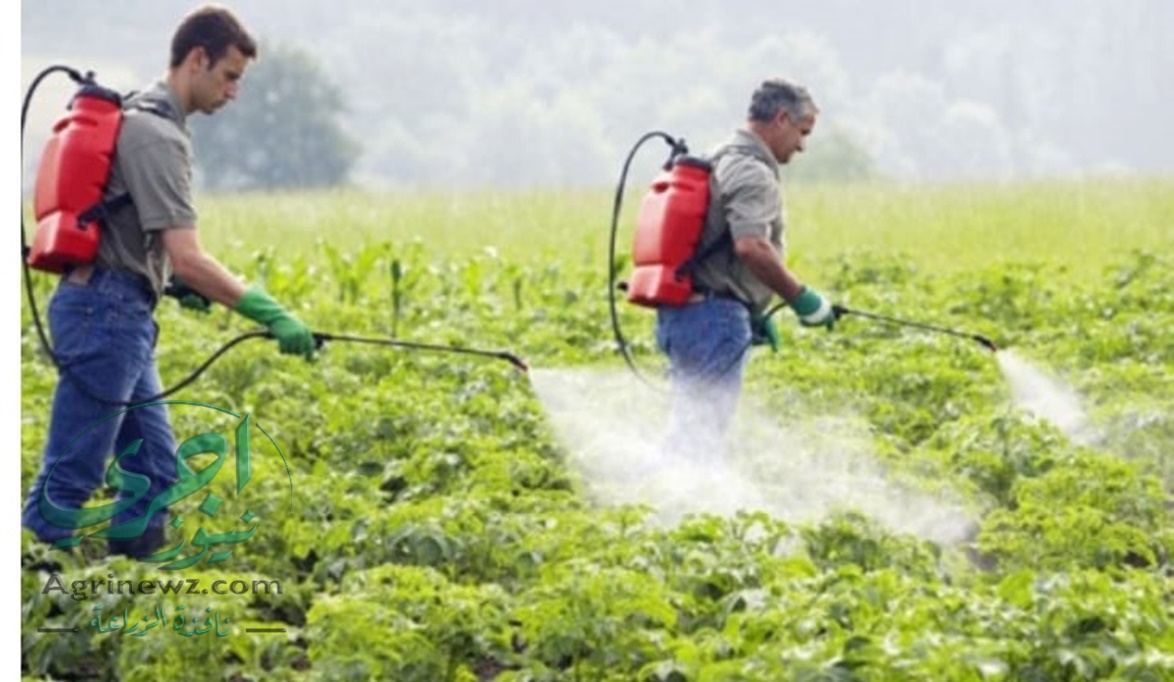
The head of the Pesticides Committee at Libya's Ministry of Agriculture and Animal Wealth, Khalifa Boufaraj, has presented recommendations to tackle the growing crisis of agricultural pesticide misuse. In a statement to Al-Menassa, Boufaraj outlined critical steps needed to overhaul Libya's pesticide regulatory framework and protect public health from hazardous chemicals in the food supply chain.
Boufaraj's primary recommendation calls for establishing a national reference laboratory dedicated to analyzing pesticide residues in food, water, and soil samples. The lab would operate according to international accreditation standards (ISO/IEC 17025), ensuring testing meets global benchmarks. "Without a certified national laboratory, we cannot verify the safety of what reaches Libyan tables," Boufaraj stated.
The proposed facility would serve as the central authority for residue testing, supporting both regulatory enforcement and agricultural export certification. Libya currently lacks such specialized infrastructure, forcing reliance on foreign laboratories and delaying critical food safety decisions.
Another key proposal is creating a specialized national committee for pesticide registration with clear legal authority. Boufaraj pointed out that the absence of a single technical body has led to overlapping jurisdictions and weak coordination among regulatory institutions. This fragmentation persists despite Resolution No. 127 of 2023 issued by the Prime Minister to form a dedicated committee.
"The lack of a unified technical body has created confusion, regulatory gaps, and inconsistent enforcement across different regions," Boufaraj said. The proposed committee would serve as the sole scientific authority for regulating and monitoring pesticide circulation across Libya.
Investigations led by Attorney General Al-Siddiq Al-Sour revealed that 65% of agricultural crop samples contained banned and carcinogenic pesticides. This alarming finding prompted a sweeping crackdown, with coordinated raids uncovering widespread circulation of prohibited agricultural chemicals across the country.
In parallel, Minister of Economy and Trade Suhail Abu Shiha restricted pesticide imports exclusively to products from the European Union, the United States, and Canada. The measure aims to strengthen public health protection and tighten oversight of pesticides entering the Libyan market.
The unchecked use of banned pesticides poses serious risks to public health and Libya's environment. Scientific reviews of Libyan studies document significant pesticide residues in groundwater and food supplies. Farmers often lack adequate safety training, while regulatory enforcement remains inconsistent.
Boufaraj's recommendations address these failures through a multi-layered approach: laboratory infrastructure, unified registration, stricter import controls, and better coordination among regulatory bodies. Together, these measures aim to close the loopholes enabling hazardous pesticides to reach Libyan farms and markets.
Libya's agricultural sector is growing in importance as part of economic diversification and food security efforts. However, widespread pesticide misuse threatens public trust and international market access for Libyan exports. A functioning, internationally aligned pesticide control system is an economic necessity for farmers and exporters seeking entry to regional and European markets.
Implementing Boufaraj's recommendations would align Libya with international food safety standards, combat counterfeit and banned pesticides, and restore consumer confidence in domestic agricultural products. The combination of a certified reference laboratory, a unified registration committee, and stricter import protocols represents a comprehensive strategy to address the agricultural pesticides crisis at its roots.
— Libya Press / Politics Desk