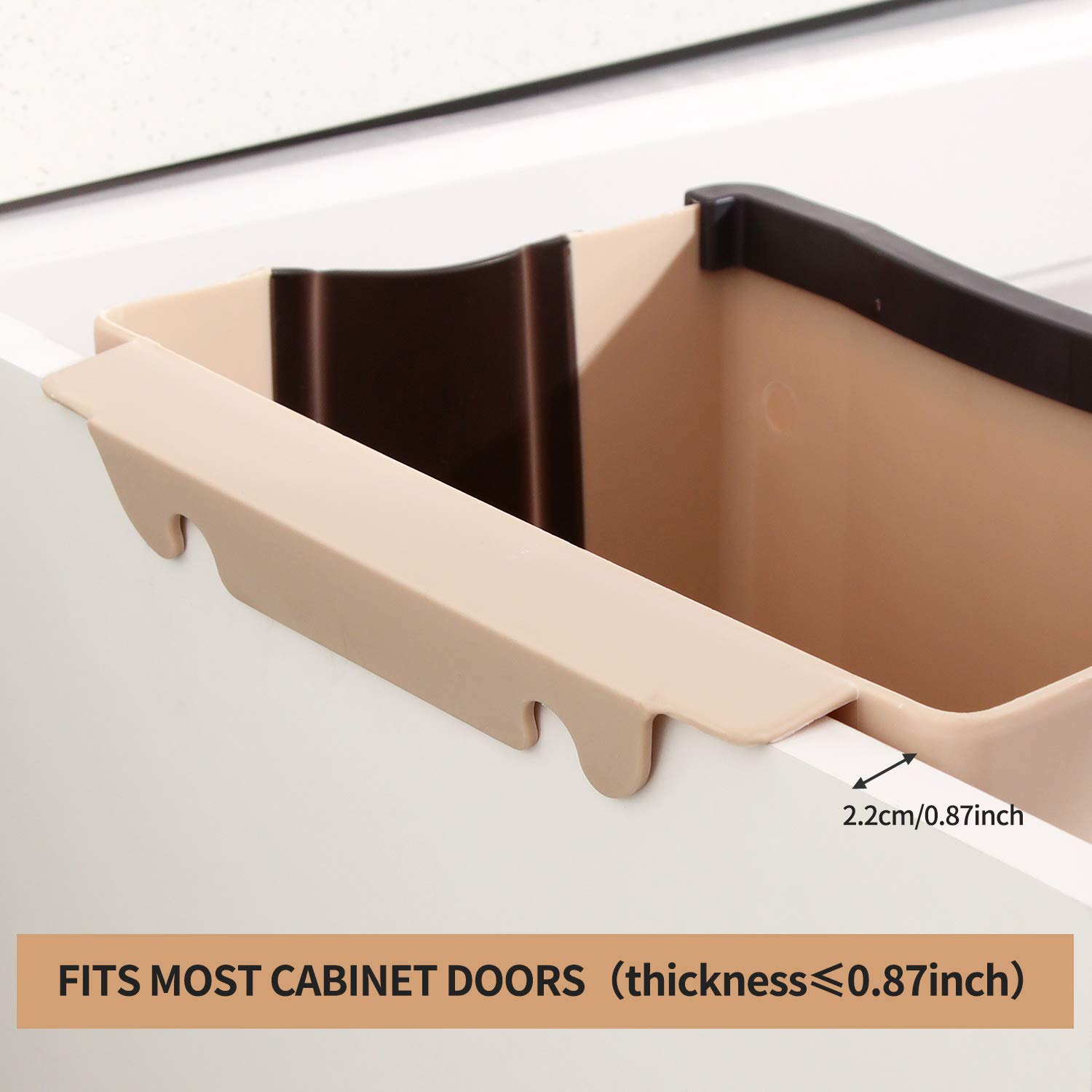
سلة مهملات تُعلق على باب خزانة المطبخ
وفر 7%! اشترِ سلة مهملات تُعلق على باب خزانة المطبخ بسعر 187.2 د.ل فقط في ليبيا.
🛒 تسوق الآن Libya Press
Field Marshal Khalifa Haftar, Commander-in-Chief of the Libyan National Army (LNA), has praised the development of bilateral relations between Libya and the United States, specifically commending US President Donald Trump's role in promoting stability and security in the North African nation. The statement came amid a series of diplomatic engagements between eastern Libyan leadership and senior US officials that signal shifting geopolitical dynamics in the region.
Haftar met on Thursday in Benghazi with Massad Boulos, a senior advisor to US President Donald Trump for African affairs, to discuss strengthening cooperation between Libya and the United States. The meeting focused on enhancing security coordination, economic collaboration, and joint efforts to combat terrorism in the region, according to reports from the Libyan Review.
Boulos's visit to eastern Libya marks a significant step in US engagement with Libyan factions as Washington seeks to support the UN-led peace process while maintaining dialogue with key power brokers across the divided country. The senior advisor's tour underscores the Trump administration's continued attention to Libyan affairs despite competing global priorities in Ukraine, the Indo-Pacific, and the Middle East.
Haftar emphasized the importance of US support for the LNA's role in maintaining stability across eastern and southern Libya, areas where the LNA has consolidated control since 2019. In recent years, the LNA has positioned itself as a key counterterrorism force in the region, receiving varying degrees of international recognition and support from countries including Egypt, the United Arab Emirates, Russia, and France.
The meeting follows a broader pattern of US engagement with Libyan stakeholders. Secretary of State Marco Rubio previously held discussions with Saddam Haftar, Field Marshal Haftar's son and a senior LNA commander, focusing on unifying Libya's military, economic institutions, and political framework, as reported by MSN. These high-level exchanges demonstrate Washington's recognition that engaging both administrations in Libya is essential for any meaningful progress toward national reconciliation.
Libya remains divided between two rival governments: the UN-recognized Government of National Unity (GNU) in Tripoli, led by Prime Minister Abdul Hamid Dbeibeh, and the eastern-based administration aligned with the LNA and the House of Representatives. This political fragmentation has persisted since the fall of Muammar Gaddafi in 2011, repeatedly impeding efforts to hold national elections and establish a lasting constitutional framework.
The United States has consistently advocated for a unified Libyan military and a political settlement under UN auspices. However, Washington's simultaneous engagement with both Libyan camps reflects the complex reality that any sustainable solution requires buy-in from all major power centers. The US approach appears to prioritize practical progress over rigid adherence to diplomatic formalities.
Massad Boulos, a Lebanese-American businessman and Trump family relative by marriage, has emerged as a key interlocutor for African and Arab affairs during the Trump administration. His direct access to the president provides a unique channel for Libyan leaders seeking to communicate their positions to the highest levels of the US government. Boulos's business background and personal connections to the Trump family distinguish his diplomatic style from traditional State Department channels.
Haftar's public praise for Trump signals a strategic alignment that could reshape Libya's international positioning. Stronger US-LNA ties may accelerate efforts to unify Libya's military command, a prerequisite for any lasting political settlement. For ordinary Libyans, the outcome of these diplomatic maneuvers could determine whether the country moves closer to stability, security, and economic recovery or remains locked in its prolonged cycle of division and uncertainty.
Analysts suggest that continued US engagement, particularly through senior advisors like Boulos who maintain direct presidential access, provides a crucial channel for advancing Libyan peace efforts at the highest levels. The challenge remains translating diplomatic momentum into tangible progress on the ground — particularly in the form of a unified government, a single military command, and nationwide elections that all Libyans can participate in freely.
— Libya Press / Politics Desk