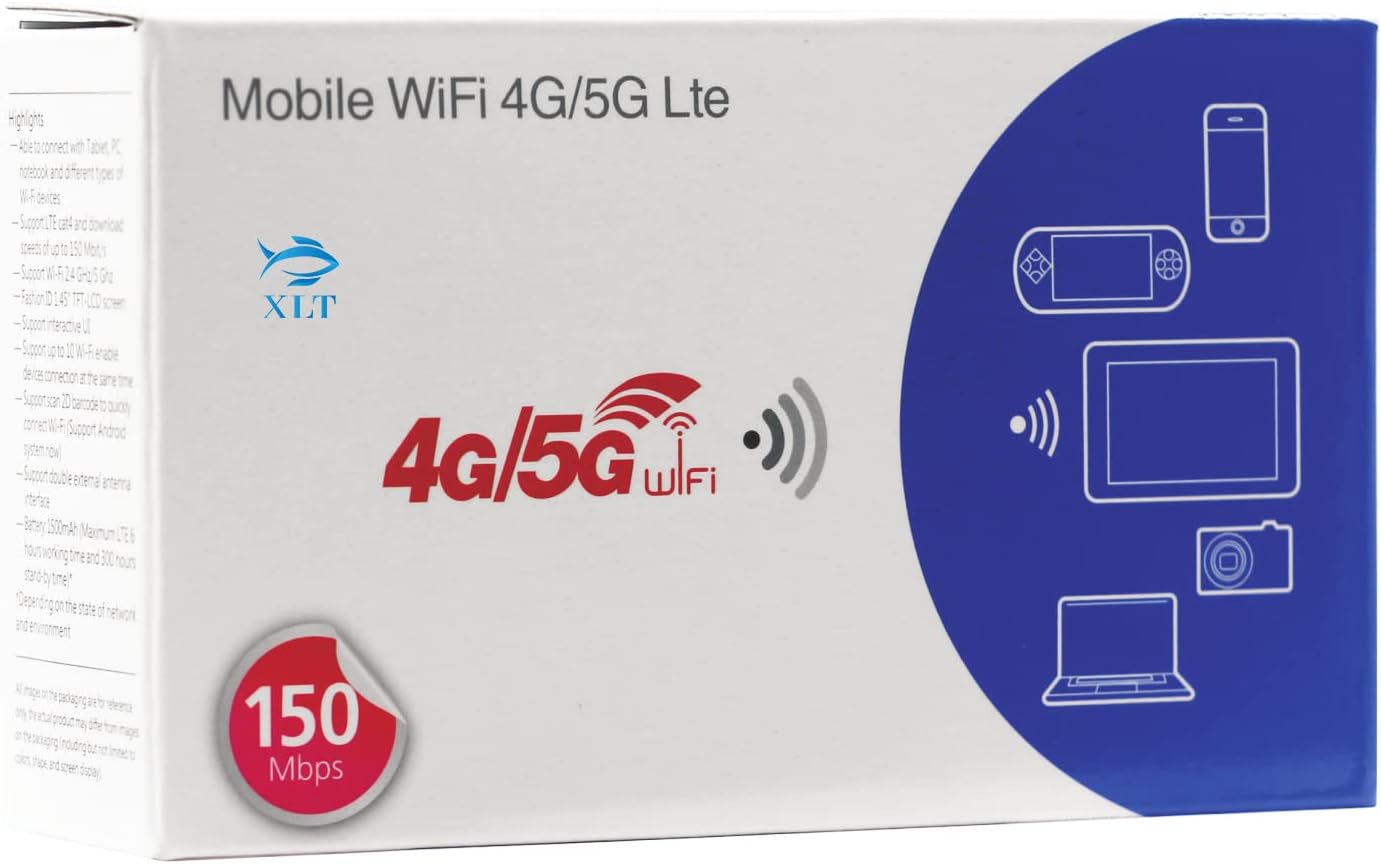
جهاز توجيه واي فاي محمول مزود بفتحة SIM
وفر 46%! اشترِ جهاز توجيه واي فاي محمول مزود بفتحة SIM بسعر 259.2 د.ل فقط في ليب
🛒 تسوق الآن Libya Press
Stephanie Khouri, Deputy Special Representative of the United Nations Secretary-General for Political Affairs in Libya, held a high-level meeting with representatives of the Fazzan National Political Assembly to discuss the latest developments in Libya's political process and ways to enhance the participation of all Libyan regions in shaping the country's next phase.
The meeting, which took place as part of UNSMIL's ongoing consultation series with various components of Libyan society, brought together prominent political figures and influential stakeholders representing different areas within the Fazzan region, according to a statement from the United Nations Support Mission in Libya (UNSMIL).
The discussions centered on the trajectory of Libya's political process, including the recommendations of the structured dialogue track, and emphasized the importance of ensuring active participation from all regions in efforts related to governance support, development, and achieving lasting stability.
Participants highlighted the historical role that the Fazzan region has played in building the Libyan state and its institutions, stressing the necessity of strengthening the region's presence in shaping the country's future and supporting the dialogue tracks sponsored by the United Nations to reach a comprehensive political solution to the crisis.
During the meeting, Khouri underscored the historical and geographical significance of Fazzan, pointing to the unique experiences of the region and its role in the broader Libyan landscape. She reaffirmed UNSMIL's commitment to continuing its consultations with various components of Libyan society, with the aim of supporting a political process that is Libyan-led and Libyan-owned, reflecting the aspirations of all regions and components.
"The importance of the historical and geographical status of Fazzan cannot be overstated," Khouri said during the meeting. "The region's distinctive experiences and its role in the Libyan scene are fundamental to any inclusive political solution."
Fazzan, the vast southwestern region of Libya, has long been recognized as strategically significant due to its geographical position bordering Algeria, Niger, Chad, and Sudan. The region has faced unique challenges including limited infrastructure, border security concerns, and historical marginalization in political decision-making processes.
Political analysts note that engaging Fazzan's representatives directly in political dialogue is critical for any sustainable solution to Libya's prolonged crisis. The region's inclusion in political consultations represents a shift toward more comprehensive representation of Libya's diverse regional interests.
UNSMIL continues to conduct meetings with political, social, and regional forces as part of its efforts to advance the political process and discuss mechanisms to resolve the crisis while strengthening the participation of all Libyan regions in the country's future.
These consultations are part of a broader strategy by the United Nations to ensure that Libya's political transition is inclusive and representative of all segments of society. The mission has been actively engaging with stakeholders from across the country's three historic regions — Tripolitania, Cyrenaica, and Fezzan — to build consensus on the way forward.
The meeting with Fazzan representatives comes amid renewed international efforts to break the political deadlock in Libya and pave the way for elections that could help unify the country's institutions and restore stability after years of division.
— Libya Press / News Desk