
قالب يدوي لتغليف الزلابية
وفر 49%! اشترِ قالب يدوي لتغليف الزلابية بسعر 122.88 د.ل فقط في ليبيا. متوفر حال
🛒 تسوق الآن Libya Press
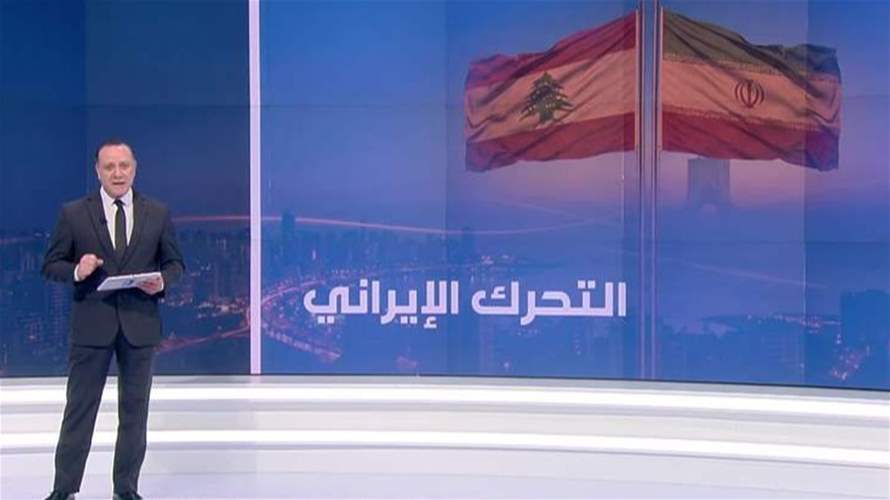
Lebanon has not yet named its representative to the trilateral committee established under the Iran-US Memorandum of Understanding, LBCI reported on Friday, confirming that the Lebanese government is still waiting for the United States to submit the official nomination request.
The committee, which includes Iran, the United States, Lebanon, Qatar, and Pakistan, was formed following the successful conclusion of negotiations in Islamabad earlier this month. While Iran has not yet announced its representative, Lebanon is reportedly in the process of selecting a suitable delegate, pending Washington's formal request.
The Memorandum of Understanding, signed in January 2022, established a framework for managing the aftermath of the Israeli withdrawal from southern Lebanon. Article 1 of the agreement called for the creation of a coordination committee composed of Iran, the United States, Lebanon, Qatar, and Pakistan to oversee the implementation of disarmament and reconsolidation efforts in the area.
According to the terms, Iran and the US are to provide a representative each, with Lebanon, Qatar, and Pakistan serving as neutral observers. The committee's primary mandate is to facilitate communication between the parties and ensure compliance with the withdrawal timeline.
Lebanon finds itself in a complex geopolitical position, caught between its longstanding alliance with the United States and its strategic ties with Iran through Hezbollah. The government has historically sought to maintain neutrality while managing domestic pressures from various factions.
A source familiar with Lebanese government affairs told LBCI that "the committee's formation is proceeding as planned, and Lebanon is prepared to participate once the formal nomination process is completed by both Iran and the US."
The source added that the Lebanese presidency is currently reviewing potential candidates from the diplomatic corps, with particular attention paid to individuals who can represent the state's interests while maintaining the delicate balance required in this sensitive regional context.
The delay in naming representatives reflects the broader complexities of US-Iran relations in the region. While both countries have participated in the Islamabad negotiations, their cooperation remains fragile and subject to significant political constraints.
Analysts note that the committee's effectiveness will largely depend on the ability of its members to set aside domestic pressures and focus on the shared objective of stabilizing southern Lebanon. The area has been a flashpoint for tensions between Israel and Hezbollah for over a decade, and the withdrawal process represents a significant diplomatic achievement.
Once the US submits its nomination, Lebanon expects to respond within 48 hours with its own candidate. The selection process is expected to involve consultations with key stakeholders, including the Presidency, the Ministry of Foreign Affairs, and representatives of the Shia community.
The committee is anticipated to hold its inaugural meeting within two weeks of all nominations being confirmed. Its agenda will focus on monitoring the Israeli withdrawal, facilitating the return of displaced residents, and establishing mechanisms for ongoing security coordination.
— Libya Press / News Desk