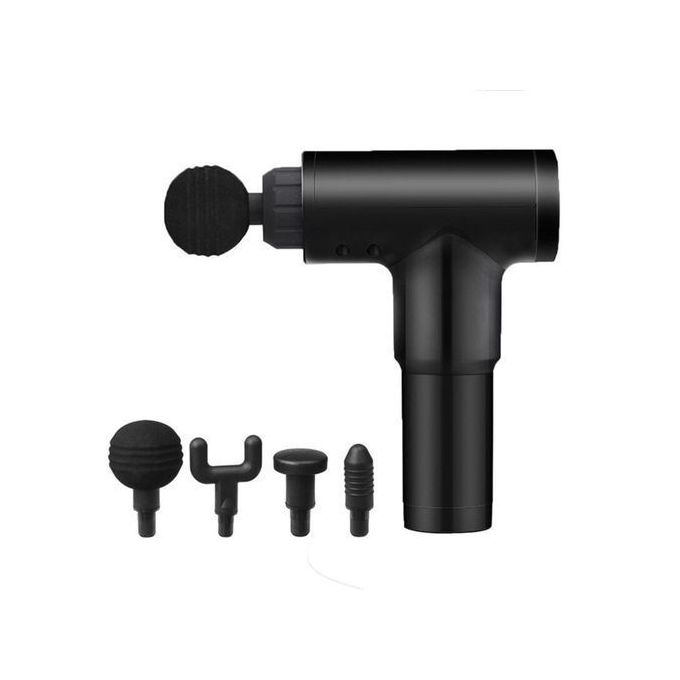
جهاز التدليك
وفر 39%! اشترِ جهاز التدليك بسعر 238.08 د.ل فقط في ليبيا. متوفر حالياً، الدفع عن
🛒 تسوق الآن Libya Press
According to dermatological studies, 68% of women report cellulite concerns, with leg and thigh dimpling being the most common cosmetic complaint. While commercial creams promise results, many natural ingredients offer effective alternatives at a fraction of the cost. These 10 homemade blends use kitchen staples to target multiple skin concerns simultaneously.
The effectiveness of homemade creams lies in their ingredient synergy. Natural oils like coconut, olive, and almond provide essential fatty acids that penetrate deeply into the skin. When combined with exfoliating agents like sugar or coffee grounds, they remove dead skin cells while nourishing from within.
Libyan women, in particular, benefit from olive oil-based recipes due to the region's rich olive heritage. Local pharmacists report increased interest in natural remedies for skin tightening and cellulite reduction during summer months.
Consistency matters more than quantity. Apply treatments 3-4 times weekly, always massaging in circular motions to stimulate circulation. For best absorption, apply to slightly damp skin after showering when pores are open.
Store all mixtures in clean, airtight containers in the refrigerator. Most homemade creams remain fresh for 3-7 days depending on ingredients. Always perform a patch test on your arm before full application to check for allergies.
In Libya, traditional beauty practices have long relied on natural ingredients. Grandmothers commonly used olive oil and honey for skin care, while coffee-based scrubs gained popularity from Yemeni heritage. These modern adaptations honor ancestral wisdom while incorporating contemporary dermatological knowledge.
The Mediterranean climate in coastal Libya makes natural moisturizers especially effective. Salt air and sun exposure can dry the skin, making oil-based treatments essential during summer months. Local markets in Tripoli and Benghazi now stock organic ingredients specifically for homemade beauty products.
While natural doesn't always mean risk-free, these ingredients are generally safe for most skin types. Pregnant women should consult healthcare providers before using certain oils like rosemary or peppermint. Individuals with nut allergies must avoid almond-based recipes.
Discontinue use immediately if irritation occurs. The intensity of homemade treatments varies based on individual skin sensitivity and ingredient quality. Start with smaller quantities and gradually increase as skin tolerance builds.
These 10 homemade blends offer accessible, affordable alternatives to commercial products. By understanding ingredient benefits and proper application techniques, you can create personalized skincare routines that address specific concerns. Whether targeting cellulite, dryness, or skin texture, natural solutions can deliver visible results with consistent use.
Remember that skincare is a journey, not a destination. Track your progress with weekly photos and adjust recipes based on seasonal needs and skin responses. Your skin's health reflects overall wellness, making homemade treatments part of a holistic self-care practice.
— Libya Press / News Desk