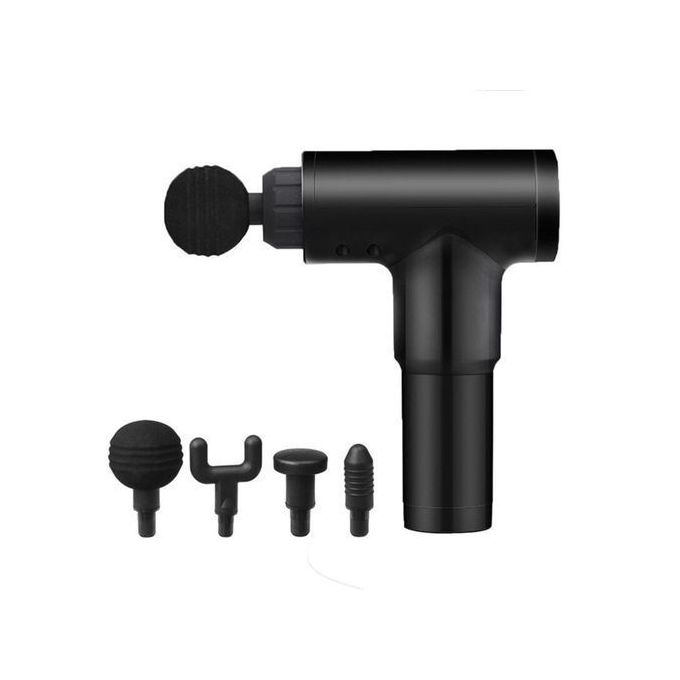
جهاز التدليك
وفر 26%! اشترِ جهاز التدليك بسعر 290 د.ل فقط في ليبيا. متوفر حالياً، الدفع عند ا
🛒 تسوق الآن Libya Press
Libya is taking significant steps to deepen its relationship with China, with high-level meetings this week focused on reopening consular services and reviving major infrastructure projects. Acting Foreign Minister Taher Al-Baour met with Chinese Ambassador to Libya Ma Xueliang to discuss the reopening of the consular section of the Chinese Embassy in Tripoli, a move expected to ease visa access for Libyan citizens and facilitate broader bilateral cooperation.
The meeting between Al-Baour and Ambassador Ma Xueliang centered on several key areas of bilateral relations. The two sides discussed reopening the consular section of the Chinese Embassy, which would allow Libyan citizens to obtain visas and access consular services more easily. They also reviewed ongoing political consultations and a proposed agreement to exempt diplomatic passport holders from visa requirements. Both parties explored ways to expand cooperation between Libya and China across multiple sectors, including trade, investment, and development.
The diplomatic push comes alongside a broader effort by Prime Minister Abdul Hamid Dbeibah to attract Chinese investment. Speaking at a dialogue session organized by the High Committee for Supervising Libyan-Chinese Cooperation, Dbeibah described China as a "strategic partner" in Libya's reconstruction. He said the Government of National Unity is committed to providing a stable environment for foreign investment and expanding cooperation under China's Belt and Road Initiative. The session, titled "The Libyan-Chinese Strategic Partnership: An Analysis of the Current Situation and a Vision for the Future," was attended by Ambassador Ma alongside Libyan ministers, senior officials, and academics.
Ambassador Ma Xueliang praised the level of cooperation between the two countries and reiterated Beijing's support for strengthening bilateral ties across investment, infrastructure, and technology. He said broader cooperation would serve mutual interests and create new opportunities for future partnership. Abdulmajid Ibrahim, head of the High Committee for Supervising Libyan-Chinese Cooperation, highlighted the importance of benefiting from Chinese expertise in infrastructure, energy, technology, and digital transformation, noting that such cooperation could help strengthen the national economy and expand investment opportunities.
The renewed diplomatic engagement comes at a critical time for Libya, which continues to navigate a complex political landscape. A new round of UN-backed talks between eastern and western delegations took place in Tunisia this week, focusing on constitutional and legal frameworks needed to hold general elections. The political uncertainty of recent years had disrupted many foreign investment projects, including those involving Chinese firms that had previously operated in the country.
Despite the positive momentum, significant challenges remain. Libya's political deadlock, which has persisted since the postponement of the December 2021 elections, continues to pose risks to long-term investment planning. The success of renewed Chinese engagement will depend on the government's ability to maintain stability and provide the legal and institutional framework necessary to protect foreign investments.
The reopening of consular services is seen as a practical first step that could facilitate people-to-people exchanges and lay the groundwork for larger economic agreements. If the political process advances and stability improves, Libya could see a significant influx of Chinese investment in energy, housing, and infrastructure — sectors that are critical to the country's reconstruction and development.
Both Libya and China appear committed to building on decades of diplomatic relations, with the coming months likely to reveal whether this renewed engagement translates into concrete projects on the ground.