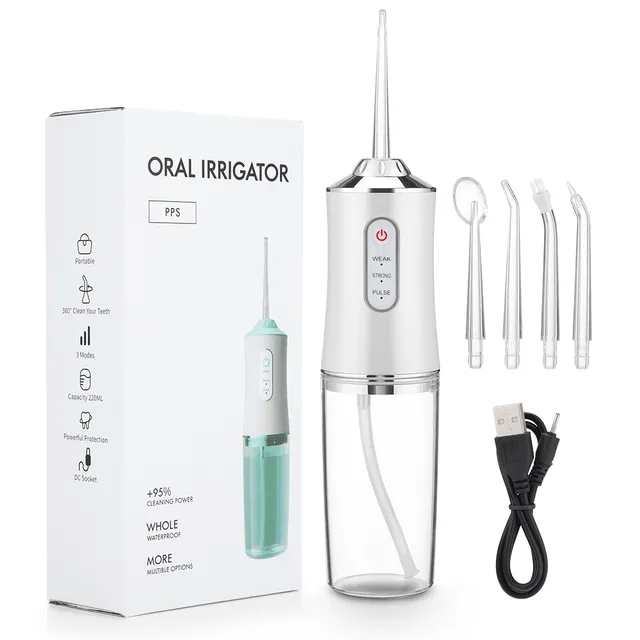
جهاز تنظيف الأسنان بالماء
وفر 23%! اشترِ جهاز تنظيف الأسنان بالماء بسعر 248 د.ل فقط في ليبيا. متوفر حالياً
🛒 تسوق الآن Libya Press
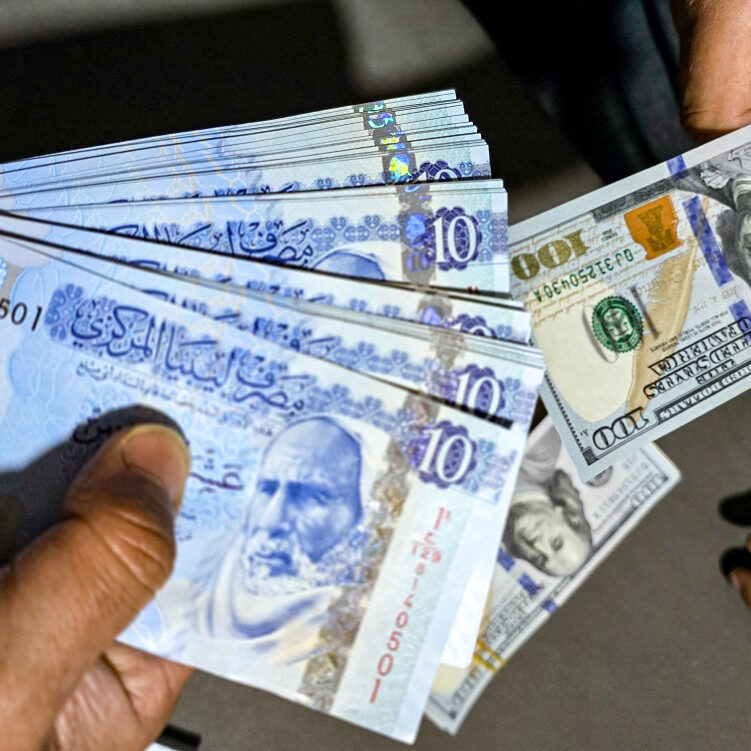
For the first time in nearly 13 years, Libyan commercial banks began distributing U.S. dollars in cash directly to citizens on Sunday, May 4, 2026—marking a pivotal moment in the country’s economic recovery.
Under the new policy, citizens can receive up to 2,000 U.S. dollars in cash as part of their annual foreign currency allocation—dramatically shifting how Libya manages its scarce foreign reserves.
The move reflects both improved oil revenues and the urgency of stabilizing the dinar amid persistent black-market pressures.
The Central Bank of Libya announced the cash distribution program as part of a broader strategy to regulate access to foreign currency and increase its availability through official banking channels.
Before this shift, dollars were primarily accessible through electronic transfers or letters of credit—channels that many citizens found difficult to access, while speculators thrived in the parallel market.
Under the new rules, the central bank supplies foreign currency to commercial banks, which assume full responsibility for transportation and security in accordance with financial safety standards.
This represents a major milestone in restoring Libya’s financial integrity after years of parallel market dominance.
“Uncontrolled public spending over the past two years caused Libyan dinars to flood the market, allowing currency traders and speculators to absorb every dollar the central bank released,” said economist Mokhtar Al-Jadeed.
He added: “For every 1 billion dollars released by the central bank, more than 6 billion dinars could be withdrawn from the market.”
Economic and banking analyst Fawzi Dadoush framed the impact for ordinary citizens: “This is no longer just an economic figure. It has become a daily struggle for citizens.”
For ordinary Libyans, this policy represents both a practical relief and a symbol of recovery.
After years of scarce dollars, inflated prices, and a weakened dinar, direct cash distribution means families can access hard currency for essential imports—medicine, school supplies, electronics—at official rates instead of predatory black-market prices.
More importantly, it signals a return of institutional normalcy: when citizens trust banks enough to hold physical dollars, it rebuilds confidence in the entire financial system.
This historic shift is not just about dollars—it’s about restoring Libya’s economic sovereignty.
With improved oil revenues and coordinated international support, Libya is building a banking system that serves its people, not just speculators.
Libya is back in the currency game—and this time, it’s playing to win.