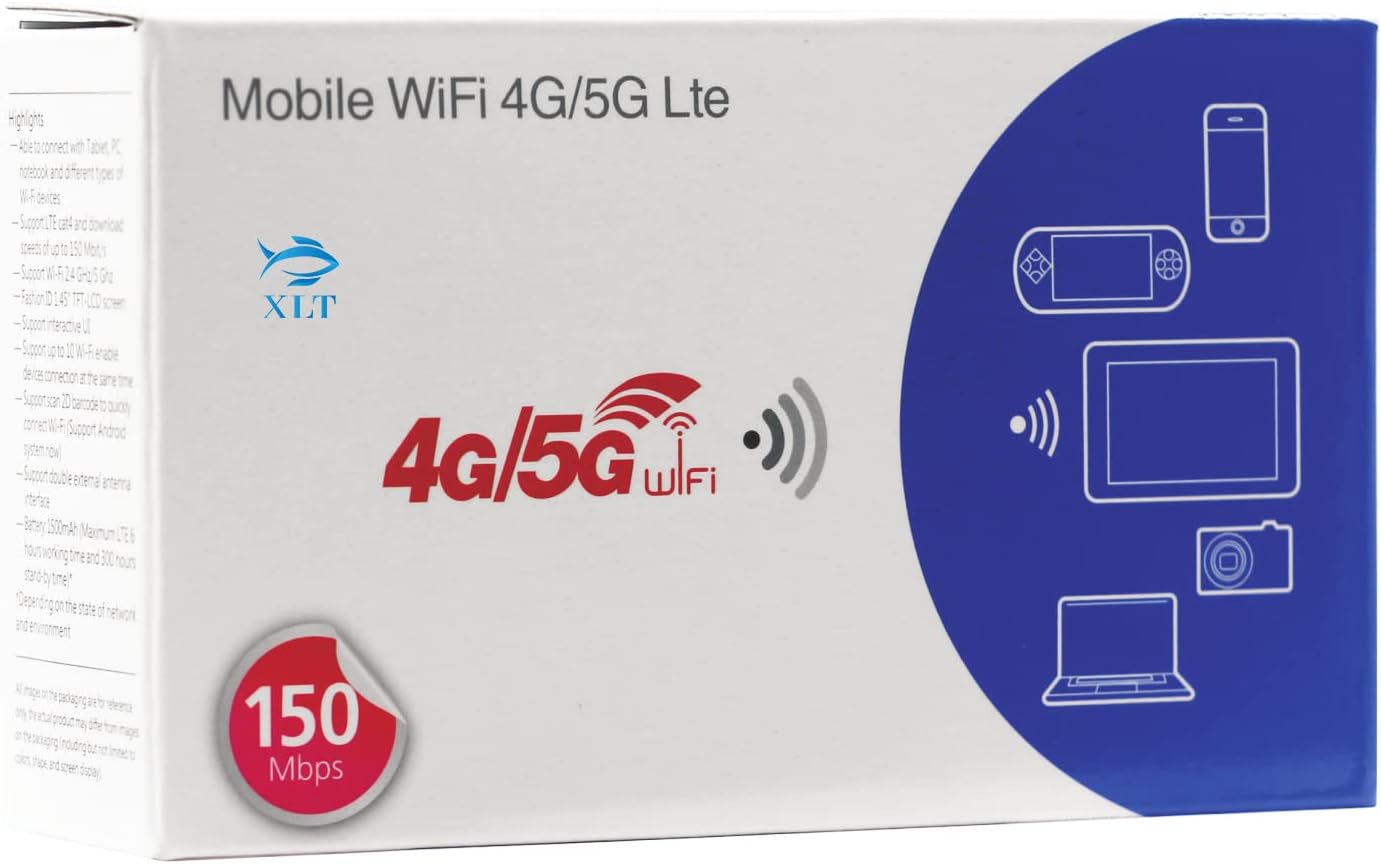
جهاز توجيه واي فاي محمول مزود بفتحة SIM
وفر 23%! اشترِ جهاز توجيه واي فاي محمول مزود بفتحة SIM بسعر 369 د.ل فقط في ليبيا
🛒 تسوق الآن Libya Press
Two prominent economic experts have reopened the file on Libya's parallel dollar market, issuing striking warnings about the continued speculation in foreign currency and the expanding network of brokers, at a time when pressure on the Libyan dinar and local markets is mounting.
Economic expert Nasser Al-Tayari explained that purchasing US dollars was once tied to natural and logical purposes — study, medical treatment, tourism, and importing goods. Libyan citizens would only seek foreign currency when they had a genuine need.
However, major transformations began between late 2016 and through 2017 and 2018 — a period Al-Tayari described as the "era of credit and empty container fraud." During this time, the gap between the official dollar price and the parallel market price widened dramatically.
Banks were selling dollars through letters of credit at approximately 1.40 dinars, while the black market price exceeded 10 dinars at the time. This disparity opened the door to a massive wave of speculation and currency trading, generating enormous wealth in remarkably short periods.
Al-Tayari noted that this phase entrenched a culture of dollar trading within society, transforming the currency from a means of covering needs into a commodity bought and sold daily. The black market began referring to the dollar as "merchandise" — a telling sign of the scale of speculation that had overtaken the market.
The expert revealed that billions of dollars were flowing out in a single month through credit lines, dollar cards, and personal-purpose allocations. This was insufficient to meet demand due to the expansion of parallel market activity and the dollar's transformation into a tool for quick profit and unregulated trade.
Al-Tayari also pointed to what he described as "aggressive" reactions and attacks accompanying any news of dollar price declines, reflecting the growing base of speculators who benefit from the continued rise in foreign currency prices.
Al-Tayari called for adopting decisive security solutions to confront the black market, pointing to Egypt's experience in criminalizing dollar sales outside official channels as a successful model for curbing parallel market activity.
Fellow economic expert Mokhtar Al-Jadid echoed these calls, urging immediate steps to combat the parallel market by targeting brokers of personal-purpose dollar cards and halting dollar sales through this mechanism.
Al-Jadid explained that a viable alternative exists through direct cash sales, which require personal presence to receive dollars — unlike cards that are collected by brokers on behalf of citizens from inside banks.
Libya has faced a continuous crisis in the foreign exchange market for years due to the gap between the official and parallel market dollar prices. This has led to expanding speculation and currency trading, particularly during periods of credit lines and subsidized banking cards.
Libya's monetary authorities face mounting pressure to find effective solutions to curb black market activity and maintain the stability of the Libyan dinar, amid repeated demands to tighten oversight of foreign currency sales mechanisms within commercial banks.
Developing story — updates will follow as more information becomes available.