
جهاز تنظيف الأسنان بالماء
وفر 23%! اشترِ جهاز تنظيف الأسنان بالماء بسعر 248 د.ل فقط في ليبيا. متوفر حالياً
🛒 تسوق الآن Libya Press
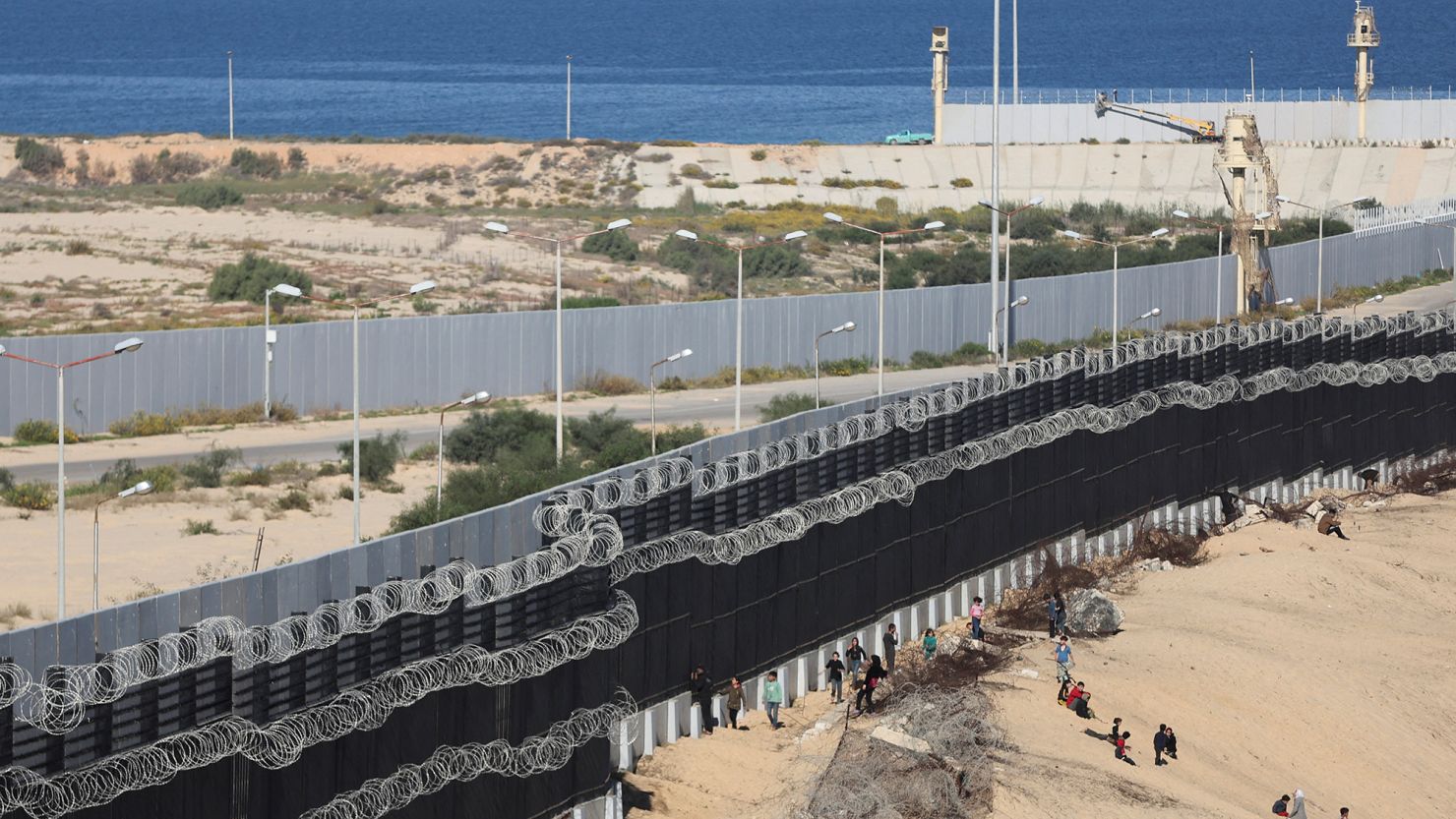
The Ministry of Foreign Affairs of Libya's parallel government announced today that the land crossing between Libya and Egypt is now restricted exclusively to Libyan and Egyptian nationals. The statement, issued in response to growing controversy over the international aid convoy "Al-Sumoud 2," marks a significant shift in bilateral border policy between the two North African neighbors. The restriction applies to the primary land border crossing point at Salum, which has long served as a critical transit corridor for people and goods.
The announcement comes amid escalating tensions surrounding the "Al-Sumoud 2" international aid convoy, which was attempting to reach destinations across the border. According to the Libya Observer, the parallel government's foreign ministry cited existing bilateral agreements between Libya and Egypt as the legal basis for the new restriction. The move effectively bars third-country nationals from using the land crossing, impacting migrant workers, aid personnel, and travelers from across the region who have historically relied on this route.
The border restriction has immediate consequences for the thousands of people who cross the Libya-Egypt border regularly. Migrant workers from Sudan, Chad, Niger, and other African nations who depend on the land route for employment and transit now face significant obstacles. International aid organizations operating in the region have also expressed concern that the policy could complicate humanitarian operations. The parallel government's statement did not clarify whether exceptions would be made for diplomatic personnel or emergency humanitarian cases.
The announcement highlights the ongoing political fragmentation in Libya, where competing administrations in the eastern and western regions continue to operate parallel institutions. According to the BTI Project's 2026 Libya Country Report, the lack of unified national bodies remains a fundamental challenge for governance and international relations. The parallel government's unilateral border policy announcement raises questions about coordination with the internationally recognized government in Tripoli and how Egypt will respond to a policy declaration from a non-recognized administration.
Egyptian authorities have not yet issued an official response to the parallel government's announcement. Observers expect diplomatic channels to address the restriction in the coming days, particularly given the economic importance of cross-border trade and movement. For Libyan and Egyptian citizens, the policy formalizes what many describe as existing informal practices. The international community will be watching closely to see whether this restriction eases regional tensions or deepens the isolation of Libya's parallel institutions. Citizens on both sides are advised to carry valid national identification documents when approaching the border.