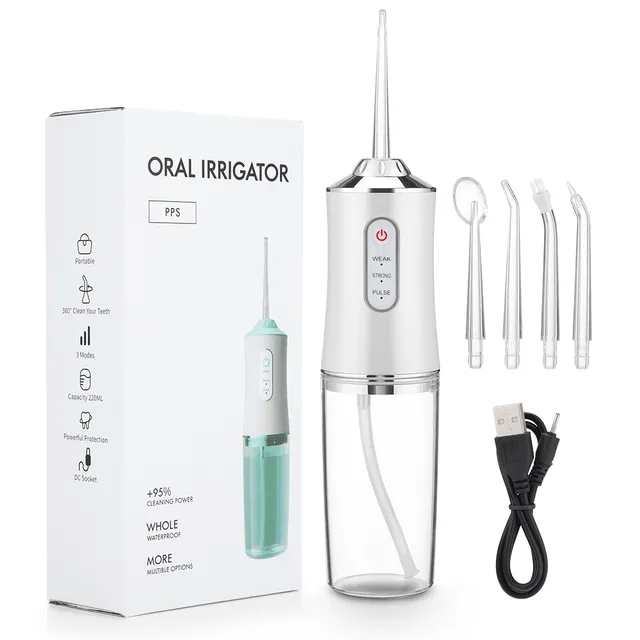
جهاز تنظيف الأسنان بالماء
وفر 23%! اشترِ جهاز تنظيف الأسنان بالماء بسعر 248 د.ل فقط في ليبيا. متوفر حالياً
🛒 تسوق الآن Libya Press
The Government of National Unity (GNU) has abolished three major health sector entities as part of a sweeping reform initiative aimed at cutting public expenditure and streamlining healthcare administration in Libya. The decision, announced Tuesday by the Prime Minister's Office in coordination with Health Minister Mohammed Al-Ghuj, transfers the responsibilities and assets of the dissolved bodies directly to the Ministry of Health.
The three entities dissolved under the decision are the Health System Development Center, the General Health Council, and the Health Institutions Accreditation Center. According to a statement posted on the Ministry of Health's official Facebook page, the restructuring is designed to eliminate administrative duplication and unify both technical and administrative oversight under a single authority. The ministry stated that the move forms part of broader strategic reforms intended to reduce public spending, improve institutional efficiency, enhance the quality of healthcare services, and redistribute human resources in line with the sector's actual needs. The decision reflects growing pressure on the GNU to rationalize public finances amid ongoing economic challenges facing the North African nation.
Health policy analysts have noted that the consolidation could help address long-standing fragmentation in Libya's healthcare governance, where overlapping mandates between multiple bodies have often led to inefficiency and wasted resources. The move comes as the GNU faces mounting calls to demonstrate fiscal discipline and improve service delivery across key sectors. Libya's health system has endured years of underinvestment and institutional weakness following over a decade of conflict. The WHO has been actively engaged with Libyan health authorities, with Health Minister Al-Ghuj recently meeting the WHO Regional Director to discuss enhanced healthcare cooperation. The elimination of redundant bodies may also align with international recommendations for health system consolidation in post-conflict settings.
While the restructuring aims to improve efficiency, experts caution that merging three distinct institutions into the Ministry of Health could create transitional challenges, including staff reallocation, loss of specialized expertise, and potential disruptions to ongoing programs. The Health Institutions Accreditation Center, for instance, played a critical role in setting quality standards for medical facilities, and its functions will need to be carefully integrated to avoid a regulatory gap. Similarly, the Health System Development Center was involved in strategic planning for healthcare infrastructure. The success of the reform will depend on the Ministry of Health's capacity to absorb these responsibilities without compromising service quality. Observers say the GNU must ensure transparent implementation and maintain essential health programs during the transition period.
As Libya continues to navigate complex political and economic realities, the health sector reform represents a significant test of the government's ability to deliver meaningful institutional change. The coming months will reveal whether the consolidation achieves its stated goals of efficiency and improved healthcare, or whether it introduces new bureaucratic challenges in a sector that remains critical to the wellbeing of millions of Libyans.