
قطاعة خضروات كهربائية
وفر 16%! اشترِ قطاعة خضروات كهربائية بسعر 219 د.ل فقط في ليبيا. متوفر حالياً، ال
🛒 تسوق الآن Libya Press
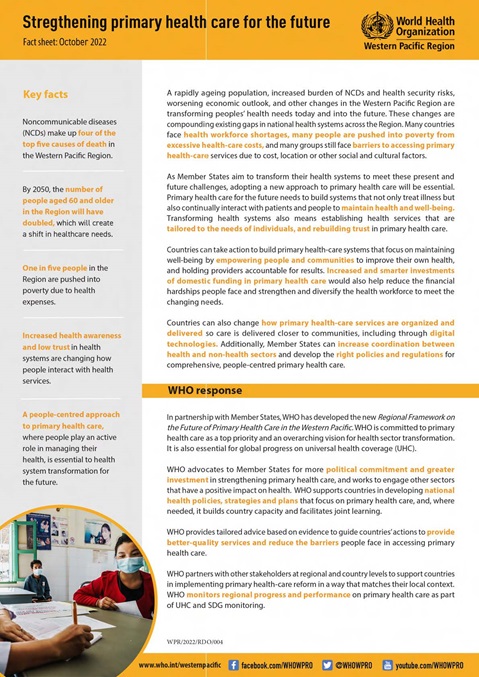
Libya's Ministry of Health held high-level talks with the World Health Organization (WHO) on Monday to discuss strengthening primary healthcare services and modernizing health planning across the country. The meeting, held at the ministry's headquarters and chaired by the Director of the Health Planning and Research Office, brought together officials from the planning and international cooperation departments in a strategic partnership aimed at raising the quality of healthcare nationwide.
The discussions centered on several critical areas for Libya's healthcare system. Participants agreed to strengthen technical support for developing a comprehensive strategic primary healthcare plan and to update public health programs to meet current and emerging needs. A key focus was placed on modernizing health data collection and analysis systems to support evidence-based decision-making at all levels of the health sector. The meeting also addressed coordinating training programs and workshops designed to improve the skills and performance of healthcare staff across Libyan medical facilities. Additionally, officials reviewed hospitals and health facilities against national accreditation standards to ensure consistent quality of care. One of the most significant agenda items was regulating pricing for medications for chronic diseases — including diabetes, hypertension, kidney diseases, and cancer — to ensure consistent availability at affordable prices for all Libyan citizens.
The Ministry of Health stated that the initiative reflects its ongoing efforts to enhance the efficiency of the country's health system and improve service quality through data-driven planning and expanded international partnerships. The WHO's involvement underscores the organization's continued commitment to supporting Libya's healthcare infrastructure after years of conflict and underinvestment. Health policy experts have long emphasized that primary healthcare is the backbone of any functioning health system, and that Libya's reliance on hospital-based care has left millions without access to basic preventive and community health services. The push to regulate chronic disease medication pricing addresses a growing concern among Libyan families, many of whom struggle to afford essential treatments amid economic instability.
Despite the positive momentum from these talks, significant challenges remain. Libya's health sector continues to face shortages of medical supplies, uneven distribution of healthcare workers between urban and rural areas, and fragmented governance between rival administrations. Implementing a unified national primary healthcare strategy will require sustained political commitment, adequate funding, and coordination across multiple government bodies. The success of the medication pricing regulations will depend on enforcement mechanisms and cooperation with pharmaceutical suppliers and importers. International observers note that WHO technical support will be crucial in building institutional capacity for health data management and evidence-based policy planning.
The meeting marks an important step in Libya's efforts to rebuild and modernize its healthcare system. With continued collaboration between the Ministry of Health and international partners like WHO, there is cautious optimism that primary healthcare services can be expanded to reach more Libyans, particularly in underserved regions. The coming months will be critical in determining whether these discussions translate into concrete policy changes and improved health outcomes for the population.