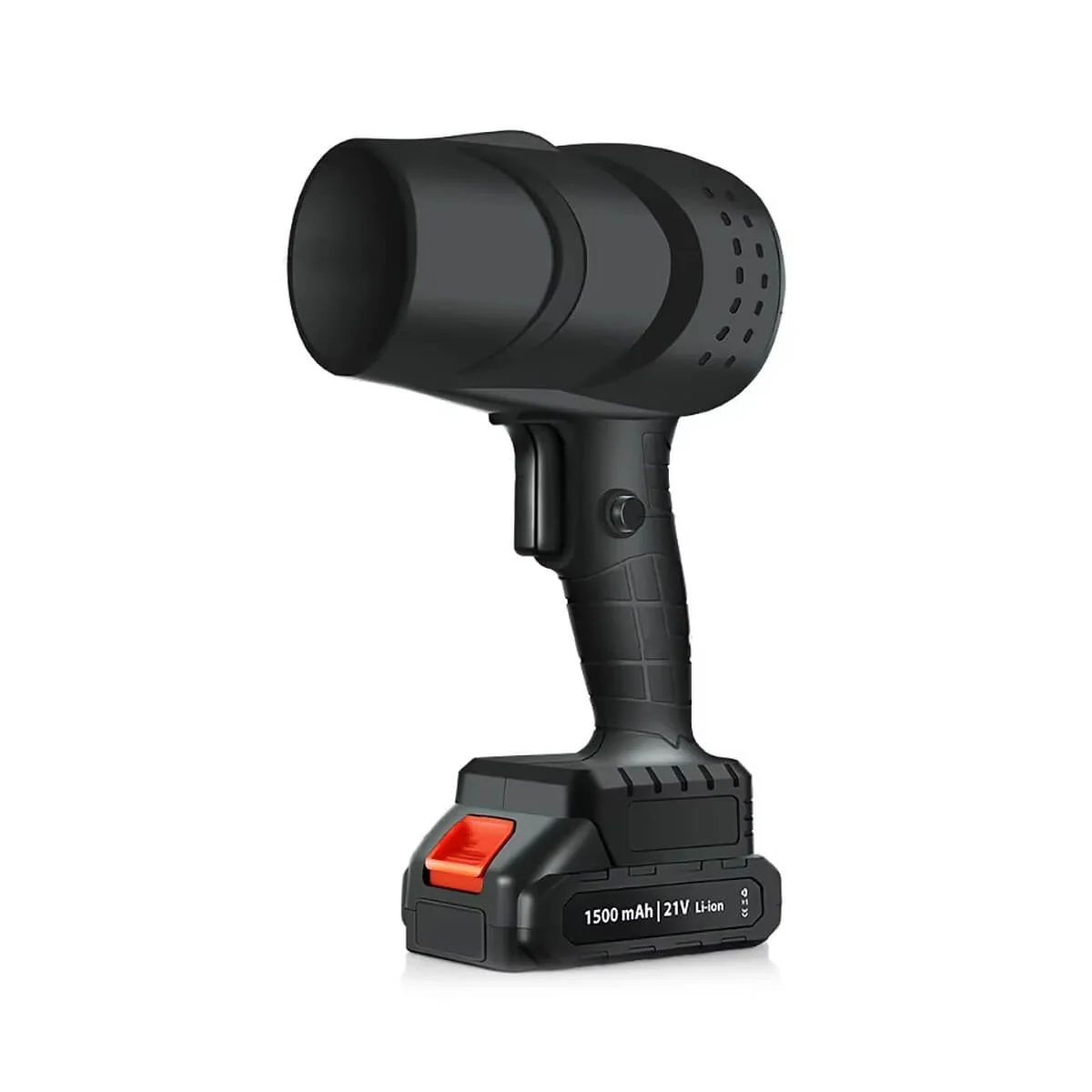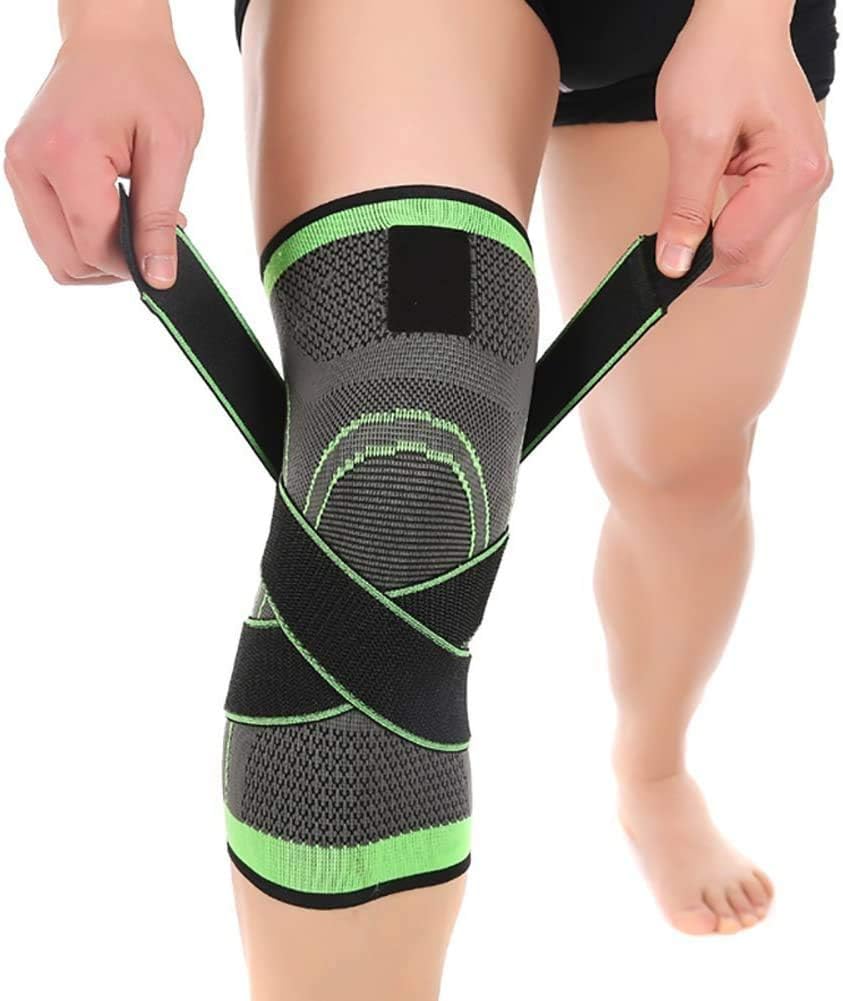
كم الركبة الضاغط
وفر 24%! اشترِ كم الركبة الضاغط بسعر 198 د.ل فقط في ليبيا. متوفر حالياً، الدفع ع
🛒 تسوق الآن Libya Press
The Ministry of Health has issued an urgent public safety warning after detecting a counterfeit pharmaceutical product circulating in Libya's local medicine supply chain. The fake drug, labelled as "Betacidine," has been deemed unsafe for human consumption and poses a direct threat to patient health, according to an official ministry statement released Wednesday.
The ministry's alert was triggered after the pharmaceutical company Pharmaderm reported detecting the counterfeit product on multiple occasions. Investigators confirmed that the fake medicine was neither manufactured by Pharmaderm nor imported through any authorized distribution channel. The counterfeit product was designed to closely resemble the legitimate medication "Betaseptine," with only a slight variation in the product name — a deliberate tactic intended to deceive pharmacists, healthcare providers, and patients. Authorities believe the fake drug entered the Libyan market through unlicensed and unregulated distribution networks, bypassing all standard pharmaceutical quality controls and customs inspections.
Health officials have moved swiftly to contain the threat, issuing direct orders to regulatory bodies and law enforcement agencies to seize all identified batches of the counterfeit product. The ministry has instructed inspectors to conduct immediate checks at hospitals, private pharmacies, and clinics across the country to prevent further distribution. Pharmaceutical safety experts have warned that counterfeit medicines can contain incorrect dosages, harmful substances, or no active ingredients at all, putting patients at risk of treatment failure, adverse reactions, or even death. The World Health Organization has previously estimated that up to 10% of medicines in low- and middle-income countries are substandard or falsified, making this a persistent global public health challenge.
The incident highlights ongoing vulnerabilities in Libya's pharmaceutical supply chain, which has faced repeated disruptions due to political instability, fragmented regulatory oversight, and the proliferation of unlicensed drug vendors. Strengthening border controls, expanding laboratory testing capacity for drug verification, and cracking down on illegal distribution networks remain critical priorities for the Ministry of Health. The ministry has urged all citizens who may have purchased the affected product to immediately discontinue use and report to their nearest health facility. Pharmaderm has also been contacted for further cooperation in identifying the source of the counterfeit supply.
Authorities have called on the public to remain vigilant and to purchase medications only from licensed pharmacies and verified healthcare providers. Anyone who encounters suspicious pharmaceutical products is encouraged to report directly to the Ministry of Health or local health authorities to help prevent further circulation of dangerous counterfeit drugs.