
كوب قهوة بغطاء
وفر 19%! اشترِ كوب قهوة بغطاء بسعر 219 د.ل فقط في ليبيا. متوفر حالياً، الدفع عند
🛒 تسوق الآن Libya Press
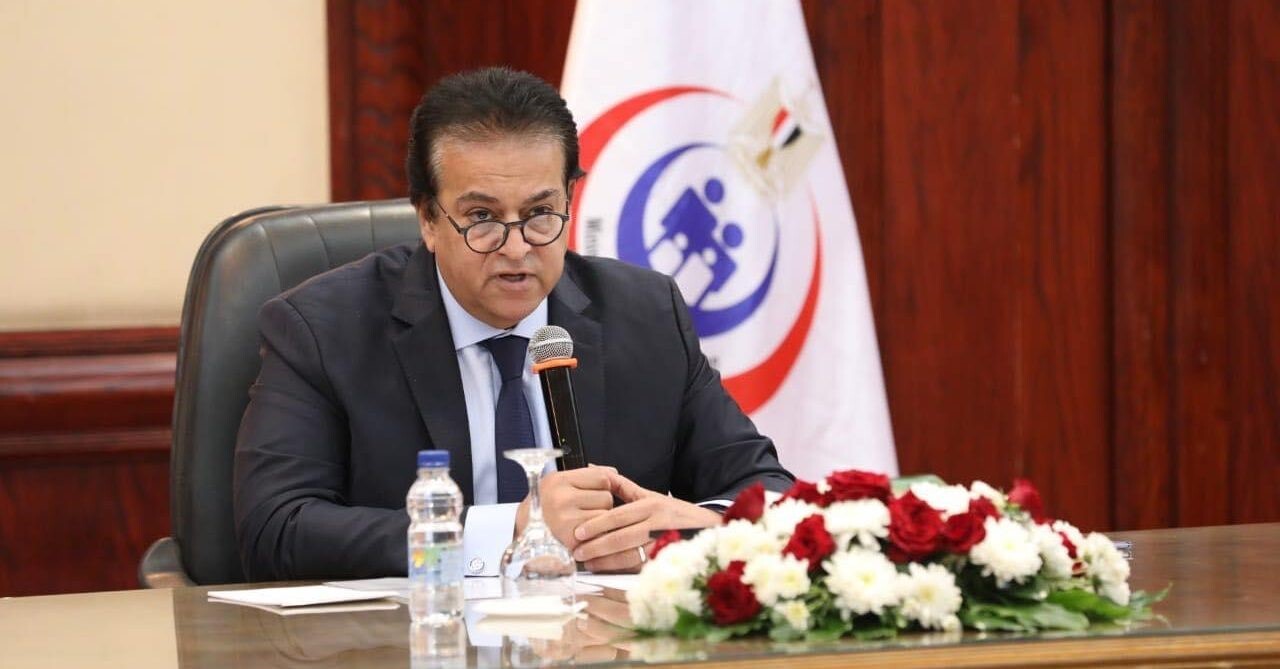
Libya's health sector has witnessed a significant financial boost, with Health Minister Doughman announcing that more than 100 million Libyan dinars have been allocated and spent on healthcare development across the country. This major investment comes as part of the Government of National Unity's ongoing efforts to rebuild and modernize Libya's medical infrastructure after years of conflict and underfunding.
The LD 100 million spending covers a wide range of healthcare priorities, including the completion of cancer treatment centers, dialysis facilities, and the procurement of essential medical equipment and medicines. The funds have also been directed toward improving emergency medical services and upgrading hospitals and medical centers across various Libyan cities and regions. This investment reflects the government's recognition that Libya's healthcare system requires urgent and sustained financial support to meet the needs of its population.
During an expanded government meeting chaired by Prime Minister Abdul Hamid Dbeibeh, officials emphasized the importance of transparency, governance, and oversight in the execution of healthcare tenders and contracts. The meeting, attended by the Finance Minister and Health Minister along with directors of health institutions, reviewed the overall workflow within the sector and addressed administrative and financial obstacles that have historically slowed down project implementation. The government stressed the need to accelerate healthcare projects while maintaining strict standards of accountability.
In parallel with the financial investment, Libya has activated the first phase of its Central Emergency Response Room in Tripoli, a system designed to enhance emergency medical services and ensure rapid response to health crises nationwide. The Ministry of Health has also strengthened international cooperation, with the Health Minister meeting the WHO Regional Director for the Eastern Mediterranean to discuss modernizing Libya's healthcare sector in line with international standards. Additionally, the Economy Ministry has accredited seven international inspection companies to oversee the quality of medicines and medical equipment imported into Libya.
Despite the significant spending, Libya's healthcare sector continues to face challenges, including the need for more specialized medical personnel, consistent supply chains for medicines, and the completion of stalled infrastructure projects in various regions. The National Diabetes Authority and National Kidney Disease Authority have highlighted the growing burden of chronic diseases requiring sustained investment in dialysis centers and diabetes care programs. As Libya moves forward, the effective utilization of these funds and continued international partnerships will be critical to delivering tangible improvements in healthcare services for all citizens.
The announcement of over LD 100 million in health sector spending marks a pivotal moment for Libya's healthcare system. With continued government commitment, international support, and a focus on transparency, this investment has the potential to significantly improve medical services and outcomes for millions of Libyans across the country.