
جهاز توجيه واي فاي محمول مزود بفتحة SIM
وفر 23%! اشترِ جهاز توجيه واي فاي محمول مزود بفتحة SIM بسعر 369 د.ل فقط في ليبيا
🛒 تسوق الآن Libya Press
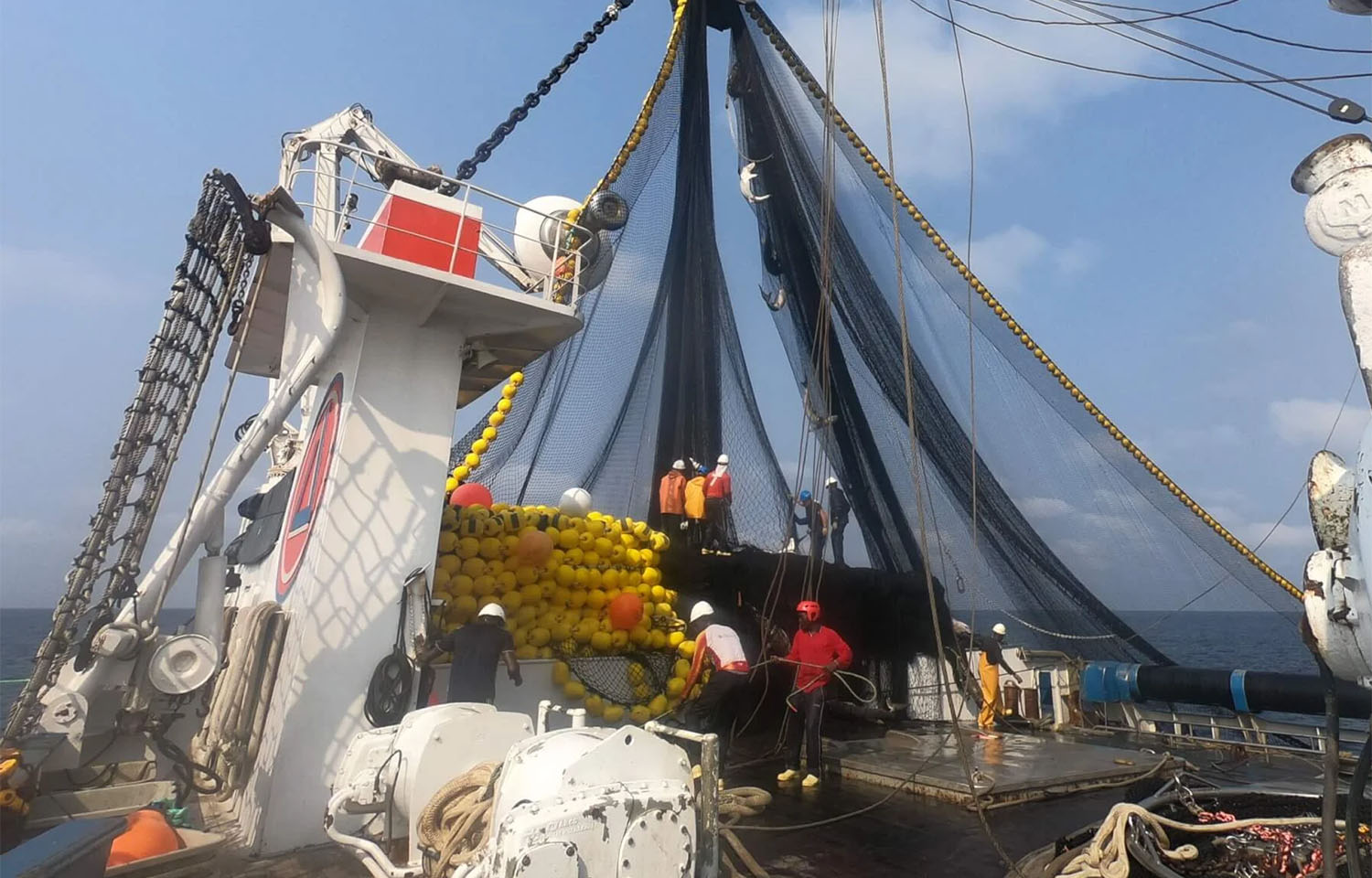
Libya has entered into formal discussions with the International Commission for the Conservation of Atlantic Tunas (ICCAT) to prepare for the country's 2026 bluefin tuna fishing season, signaling renewed engagement with international fisheries governance after years of limited coordination.
Minister of State for Prime Minister and Cabinet Affairs Mohammed Ben Ghalboun led the Libyan side in a virtual meeting with ICCAT officials. The two parties agreed to designate an official focal point and committee representative to enhance technical coordination and oversee Libya's tuna fishing portfolio. Discussions covered the management of Libya's bluefin tuna quota, administrative and financial matters related to fishing vessels, and a review of both previous and current fishing seasons. The move reflects Libya's effort to formalize its participation in the international body responsible for managing tuna stocks across the Atlantic Ocean and adjacent seas, including the Mediterranean Sea where Libyan waters hold significant fishing grounds.
Libya's engagement with ICCAT comes at a critical time for Mediterranean bluefin tuna management. ICCAT, which sets annual catch quotas for member nations, has been working to ensure sustainable fishing practices after decades of overfishing threatened the species. Libya, as a coastal Mediterranean nation with a long fishing tradition, holds a quota allocation that requires careful management and reporting. Fisheries experts note that establishing a dedicated focal point is a key step toward improving compliance with ICCAT regulations and ensuring that Libya can fully utilize its allocated quota while meeting international conservation standards.
The main challenges facing Libya's bluefin tuna sector include modernizing its fishing fleet, improving data collection and reporting systems, and ensuring that financial and administrative frameworks are in place before the season begins. Years of institutional instability have hampered Libya's ability to fully participate in international fisheries agreements. However, the designation of a dedicated committee representative could streamline coordination and help Libya maximize the economic benefits of its tuna quota. The 2026 season will serve as a test of Libya's capacity to meet its ICCAT obligations and could pave the way for broader cooperation in marine resource management.
As the fishing season approaches, stakeholders in Libya's fisheries sector will be watching closely to see whether these institutional improvements translate into tangible gains for local fishing communities and the national economy.