
قطاعة خضروات يدوية متعددة الوظائف 4 في 1
وفر 21%! اشترِ قطاعة خضروات يدوية متعددة الوظائف 4 في 1 بسعر 198 د.ل فقط في ليبي
🛒 تسوق الآن Libya Press
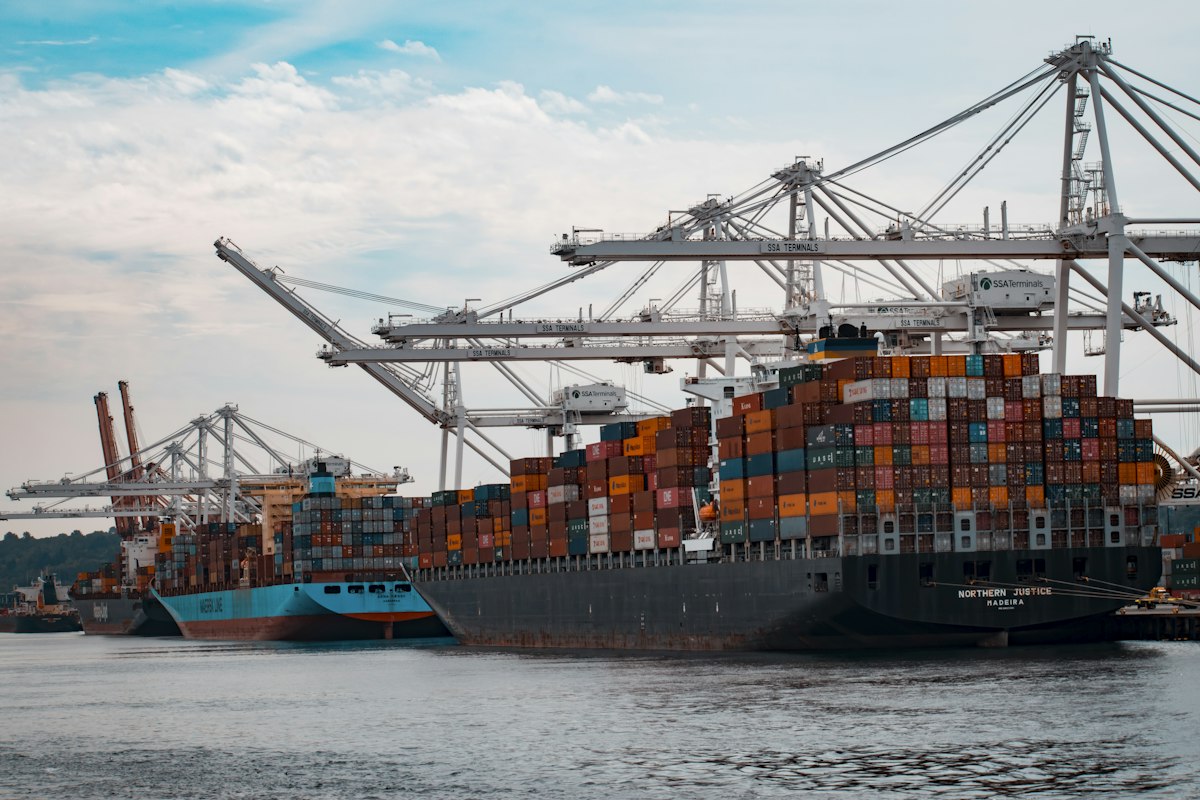
Tunisia's Ministry of Transport confirmed that the Port of Zarzis received its first container ship, marking the launch of a new shipping line connecting Italy, Tunisia, and Libya's Tripoli Port. This project represents an important step toward enhancing economic and trade cooperation among Mediterranean countries, adding significant value to the region's maritime transport infrastructure. The project was announced after months of negotiations between the three parties.
The new line connects Salerno Port in Italy, Zarzis Port in Tunisia, and Tripoli Port in Libya, using modern container ships capable of transporting large quantities of goods. This line is expected to reduce shipping and transport costs between the three countries, positively impacting bilateral trade. The line will provide weekly regular trips, with the possibility of increasing frequency based on demand.
This shipping line is expected to bring a qualitative shift in trade movement between Libya and Europe, providing a direct and fast route for exporting and importing goods. It will also enhance Tripoli Port's position as a regional trade center, contributing to local economic stimulation and job creation. Expected trade volume through this line is estimated at millions of dollars annually, with potential for later expansion to include other Libyan ports.
This project serves as a model for regional cooperation in maritime transport, showcasing the potential for economic integration between North African and Southern European countries. Project leaders hope this line will be the beginning of similar projects connecting other Libyan ports to European and Arab ports. It is also expected to enhance cultural and tourist exchange between the three countries.
The new shipping line is expected to bring a major transformation to the lives of Libyan importers and exporters, providing them with a direct, lower-cost route for transporting goods to and from Europe. Several Libyan businessmen and traders welcomed this step, considering it an opportunity to stimulate trade and reduce prices of imported goods in local markets. It is also expected to contribute to increasing Libyan non-oil exports to European markets.
Project managers plan to later expand the line to include other Libyan ports, notably Benghazi Port and Misrata Port, boosting trade movement across the country. The possibility of adding passenger services to the shipping line is also being studied, providing a new means of transport between Libya and Europe.
The new shipping line is expected to transform the lives of Libyan importers and exporters, providing a direct, lower-cost route for goods to and from Europe. Several Libyan businessmen welcomed this step as an opportunity to stimulate trade and reduce import prices.
Project managers plan to expand the line to include other Libyan ports, notably Benghazi and Misrata. The possibility of adding passenger services is also being studied.
Maritime transport contributes to reducing the carbon footprint compared to land and air transport, as modern container ships consume less fuel per ton of goods transported. The new shipping line is expected to reduce carbon emissions from goods transport between Libya and Europe, enhancing environmental efforts in the region.