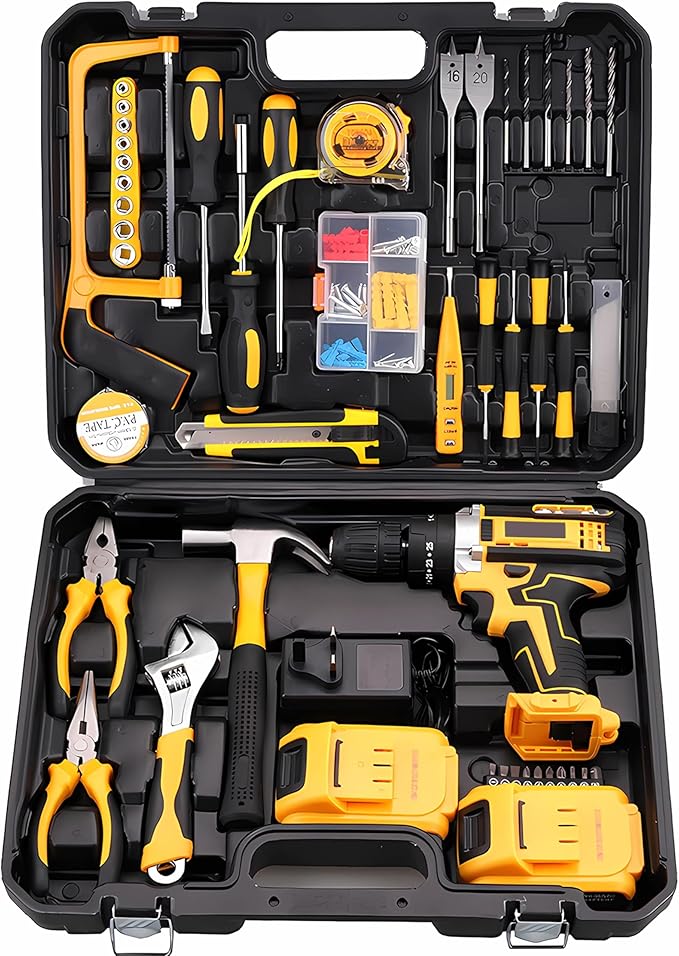
طقم أدوات كهربائية بقوة 48 فولت
وفر 23%! اشترِ طقم أدوات كهربائية بقوة 48 فولت بسعر 549 د.ل فقط في ليبيا. متوفر
🛒 تسوق الآن Libya Press
Libya's crude oil production climbed to 1.385 million barrels per day in April 2026, marking a significant recovery from the disruptions of 2024 and signaling renewed momentum for the North African nation's hydrocarbon sector. The 6.3% month-on-month increase from March's 1.303 million bpd reflects improved stability at key oil fields and export terminals. With global Brent crude trading near $108 per barrel, the timing favors Libya's revenue ambitions.
According to Trading Economics and OPEC data, Libya's output has steadily recovered after the Central Bank governance crisis in mid-2024 severely disrupted production. The World Bank projects GDP growth of 13.3% for 2025, driven by a 17.4% expansion in oil GDP. Oil revenues surged 30% in 2025, with total government revenues reaching 53.6% of GDP. The country is targeting a capacity expansion to 2 million barrels per day by 2030, a goal that would require sustained investment and political stability. Analysts at Trading Economics forecast production reaching 1.48 million bpd by the end of Q2 2026, rising to 1.75 million in 2027 and 2 million by 2028.
The World Bank notes that hydrocarbons accounted for 65% of GDP, 93% of exports, and 72% of government revenues in 2024, leaving Libya highly exposed to production and price shocks. "The economy remains heavily dependent on oil, and diversification is critical for long-term resilience," the World Bank stated in its latest Libya overview. The Central Bank's decision in April 2025 to devalue the Libyan dinar helped narrow the gap with the parallel market and safeguard foreign reserves. The fiscal balance is expected to register a surplus of 5.3% of GDP in 2026, while the current account surplus could widen to 23.6% of GDP, supported by higher oil prices and increased output.
Despite the positive trajectory, significant risks remain. Political fragmentation, institutional rivalry, and regional insecurity continue to threaten production stability. Libya's oil infrastructure has suffered from years of underinvestment and conflict damage, requiring billions in rehabilitation. The private sector remains underdeveloped, accounting for only 14% of the workforce. Key reforms — including subsidy rationalization, public financial management improvements, and regulatory framework modernization — are essential to reduce vulnerability to oil price volatility. Ending the oil-for-fuel swap system in April 2025 was a positive step toward transparency, but sustained institutional unification remains the critical condition for Libya to fully capitalize on its hydrocarbon wealth.
As Libya pushes toward its 2 million barrel-per-day target, the coming months will test whether political progress can keep pace with production ambitions. For a nation where oil is the lifeblood of the economy, the stakes could not be higher.