
قطاعة الخضر
وفر 22%! اشترِ قطاعة الخضر بسعر 250 د.ل فقط في ليبيا. متوفر حالياً، الدفع عند ال
🛒 تسوق الآن Libya Press
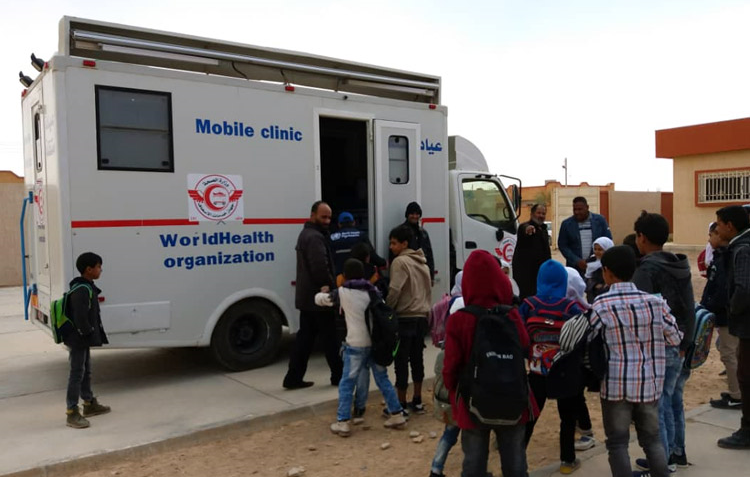
Libya has received a mobile medical clinic donated by the Canadian Red Cross, in coordination with the International Federation of Red Cross and Red Crescent Societies (IFRC). The handover, which took place on Tuesday at the Ministry of Health, marks a significant step in strengthening the country's capacity to deliver emergency medical care, particularly in remote and underserved regions that have long struggled with limited healthcare infrastructure.
The Libyan Red Crescent announced that the clinic was officially handed over to the Ministry of Health in the presence of the head of the IFRC mission in Libya, senior officials from the Libyan Red Crescent, and representatives from the ministry. A comprehensive training programme will be delivered in cooperation with the Ministry of Health to support the installation and operation of the facility, ensuring that medical and technical teams are fully prepared to respond to emergencies. The mobile clinic is expected to play a critical role in reaching vulnerable populations in areas where fixed health facilities are either damaged, understaffed, or entirely absent.
The head of the IFRC mission in Libya praised the Libyan Red Crescent's role in facilitating the delivery, highlighting what he described as "effective coordination between international partners and national institutions in support of humanitarian work." The donation comes at a time when Libya's health sector continues to face significant challenges, including shortages of medical supplies, uneven distribution of healthcare workers, and the lingering effects of years of conflict on public infrastructure. The mobile clinic is part of a broader international effort to bolster Libya's health system, which has also included recent meetings between the Ministry of Health and the World Health Organization to strengthen primary healthcare planning and modernize health data systems.
Despite the positive development, Libya's healthcare system remains under considerable strain. Many rural and southern regions still lack basic medical facilities, and the country continues to depend heavily on international aid to fill critical gaps. The success of the mobile clinic initiative will depend on sustained funding, proper maintenance, and the ability of trained personnel to operate the unit effectively in challenging field conditions. Looking ahead, health officials have signaled plans to expand the fleet of mobile units and integrate them into a national emergency response framework, a move that could significantly improve access to care for thousands of Libyans in hard-to-reach areas.
The arrival of the mobile medical clinic underscores the ongoing importance of international humanitarian partnerships in supporting Libya's recovery, even as the country navigates complex political and security challenges that continue to affect public service delivery.