
كم الركبة الضاغط
وفر 24%! اشترِ كم الركبة الضاغط بسعر 198 د.ل فقط في ليبيا. متوفر حالياً، الدفع ع
🛒 تسوق الآن Libya Press
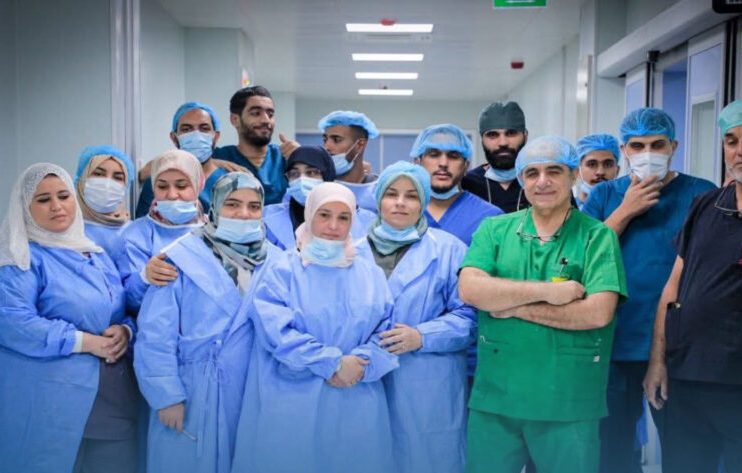
**Libya's National Cornea Transplant Authority has announced the resumption of its ambitious 1,000-cornea transplant campaign, launching a new round of surgical procedures in partnership with Surman Teaching Hospital.**
The latest phase of the nationwide initiative includes 60 cornea transplant procedures to be carried out across medical facilities in Tripoli and Surman, marking a significant step forward in Libya's efforts to provide advanced eye care services domestically and reduce the need for patients to seek treatment abroad.
The campaign, which has been a cornerstone of the country's healthcare modernization strategy, aims to address a growing backlog of patients suffering from corneal diseases and vision impairment. Dozens of patients from across Libya remain on the waiting list, with additional surgeries scheduled to take place in stages under the authority's approved plan.
**A Broader Push for Healthcare Reform**
The resumption of the cornea transplant campaign comes alongside a broader government effort to strengthen Libya's healthcare infrastructure. Prime Minister Abdul Hamid Dbeibeh chaired an expanded meeting on Tuesday, attended by Finance Minister Rashid Abu Ghaffa, Health Minister Mohammed Al-Ghouj, and other senior officials, to review the overall state of the healthcare sector.
During the meeting, Dbeibeh stressed the urgent need to complete the preparation of cancer treatment and dialysis centers and accelerate the implementation of healthcare projects. He emphasized the importance of transparency, governance, and oversight in the execution of healthcare tenders and contracts.
The meeting addressed the evaluation of services provided at hospitals and medical centers, reviewed the cancer treatment file, and examined the medical services offered at oncology centers. Discussions also covered the supply of medicines and operational materials, as well as the completion of equipping centers with necessary devices and equipment.
**Dialysis and Diabetes Care in Focus**
The heads of the National Diabetes Authority and the National Kidney Disease Authority presented briefings on the conditions and readiness of dialysis centers, as well as follow-up programs and care for diabetes patients across different regions. The discussions highlighted ongoing administrative and financial obstacles hindering the completion of contracting procedures and the implementation of healthcare projects.
Dbeibeh emphasized the importance of improving efficiency within the healthcare sector and ensuring the delivery of integrated medical services to citizens across all regions without delay or interruption.
**Reducing Reliance on Medical Tourism**
The 1,000-cornea transplant campaign is part of a wider strategy to reduce Libya's dependence on medical tourism, which has placed a significant financial burden on both patients and the state. By building local capacity for specialized surgical procedures, authorities aim to provide timely and affordable care to patients who would otherwise face long waits and high costs for treatment overseas.
Health officials have expressed confidence that the staged approach to the campaign will allow for continuous improvement in surgical outcomes and patient care, while also providing valuable training opportunities for Libyan medical professionals.
The National Cornea Transplant Authority has urged patients on the waiting list to maintain contact with their designated medical facilities for scheduling updates as the campaign progresses through its upcoming phases.