
قالب يدوي لتغليف الزلابية
وفر 25%! اشترِ قالب يدوي لتغليف الزلابية بسعر 180 د.ل فقط في ليبيا. متوفر حالياً
🛒 تسوق الآن Libya Press
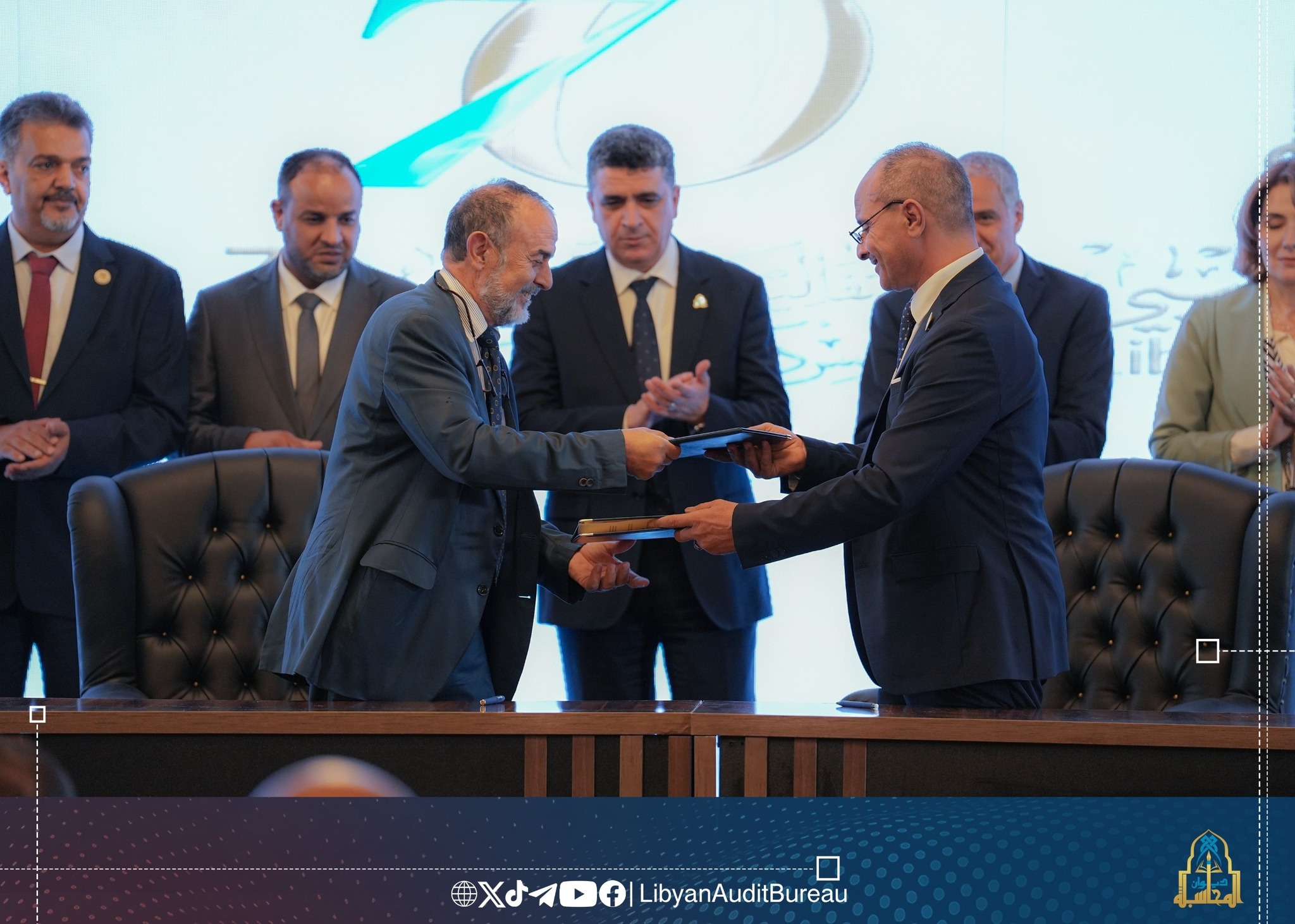
Libya's Ministry of Health has signed two cooperation agreements with the German International Cooperation Agency (GIZ) aimed at strengthening the country's healthcare system and improving medical services for the population. The agreements mark a significant step in Libya's efforts to expand international partnerships and benefit from German expertise in the health sector.
The first agreement focuses on boosting primary healthcare services based on municipal needs, with the goal of improving the distribution of care and raising the quality of services at the local level across Libyan cities and towns. The second agreement targets maternal and newborn health, supporting healthcare programs, building institutional capacity, and enhancing service quality for these priority groups. GIZ has been operating in Libya since 2005, with offices in Tripoli and Benghazi, and currently manages its operations from Tunisia due to the ongoing security situation in the country.
The Libyan Ministry of Health stated that the partnerships form part of its broader national strategy to expand international cooperation, benefit from global expertise, and advance sustainable development in the health sector. GIZ works in Libya on behalf of the German Federal Ministry for Economic Cooperation and Development (BMZ) and the European Union. The agency has been active in Libya's healthcare sector, training national and local decision-makers, advising on reproductive health, and supporting pandemic preparedness within the healthcare system. Libya's public health facilities have faced significant challenges in providing adequate care due to years of conflict and institutional instability.
Libya's healthcare system continues to face major obstacles, including the lack of a stable financial and legal framework, weakened state institutions, and the impact of prolonged armed conflict on public services. The country's divided governance structures have complicated efforts to implement nationwide health reforms. However, the new agreements with GIZ signal continued international commitment to supporting Libya's health sector. The focus on primary healthcare and maternal health addresses two of the most critical gaps in the current system, and the municipal-level approach could help reach underserved communities across the country.
The agreements are expected to bring tangible improvements to healthcare delivery in Libya, particularly for vulnerable groups including women and children, as the country works toward rebuilding its public health infrastructure with international support.