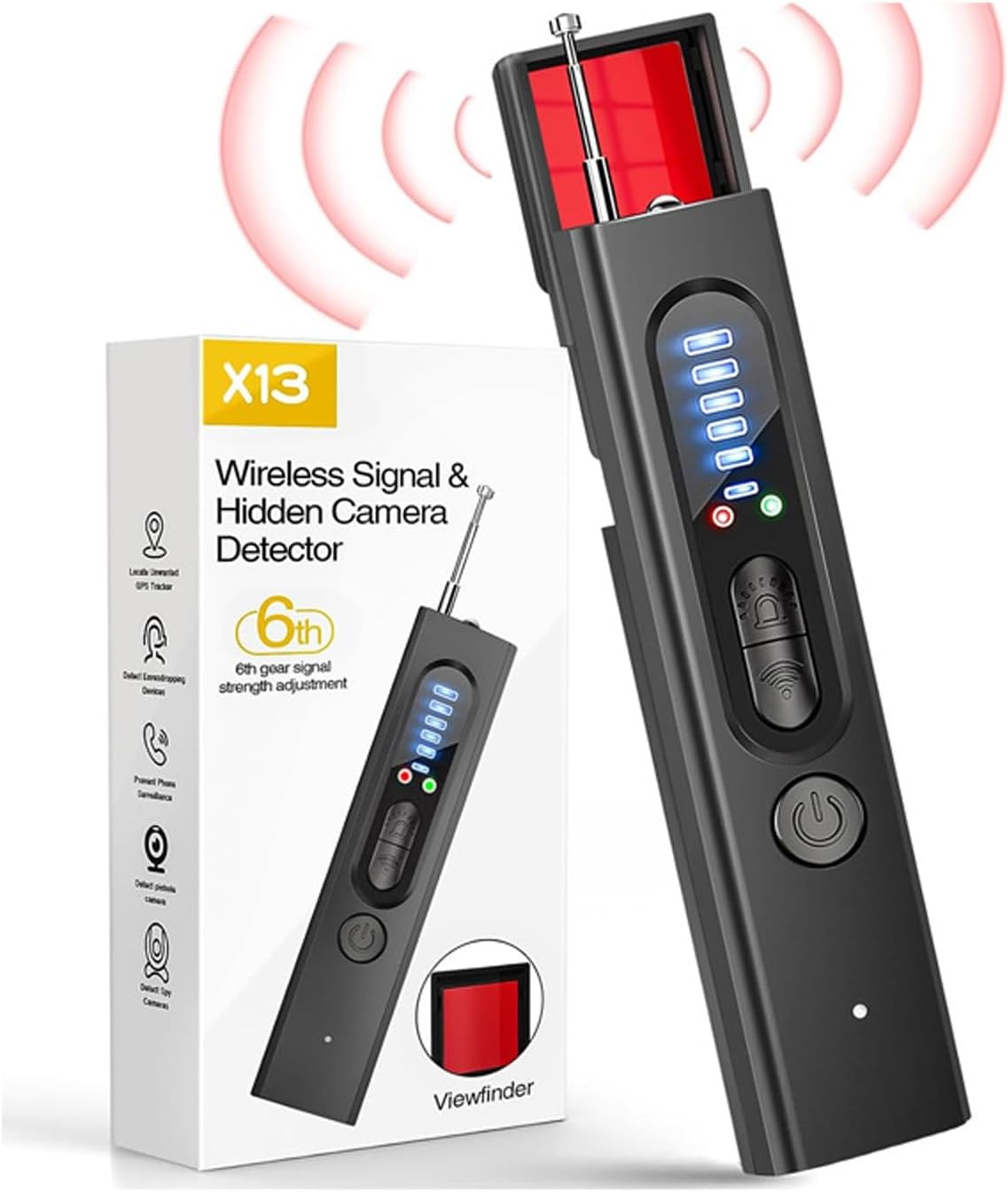
كاشف الكاميرات الخفية
وفر 17%! اشترِ كاشف الكاميرات الخفية بسعر 390 د.ل فقط في ليبيا. متوفر حالياً، ال
🛒 تسوق الآن Libya Press
Libya Telecom & Technology (LTT), the country's largest telecommunications provider, has officially become a member of the GSMA, the global association representing mobile network operators worldwide. The membership signals Libya's renewed push to integrate into the international telecommunications community after years of conflict and isolation. LTT, a state-owned enterprise established in 1997 and headquartered in Tripoli, serves as the backbone of Libya's internet and mobile infrastructure.
LTT accounts for the majority of Libya's internet penetration, primarily through its DSL and 4G services. The company launched its LTT4G network on March 6, 2018, expanding high-speed mobile internet access across the country. LTT offers a comprehensive suite of services including ADSL, FTTH (Fiber to the Home), VDSL2, Fixed Wireless Access, and the LibyaPhone MVNO mobile service. The company also provides web hosting, email services, network security, and technology consulting to both individual and enterprise customers.
The GSMA membership places LTT alongside over 750 mobile operators and 400 companies in the broader mobile ecosystem worldwide. This membership provides access to global industry standards, regulatory frameworks, and technical expertise that can help modernize Libya's telecommunications infrastructure. LTT's parent company is the Libyan Post, Telecommunications and Information Technology Company, which oversees the nation's broader digital communications strategy.
Industry analysts view LTT's GSMA membership as a significant milestone for Libya's technology sector. "Membership in the GSMA gives Libyan telecom operators a seat at the table where global standards are set," said one regional telecommunications expert. "It opens doors to partnerships, investment, and knowledge transfer that are critical for a country rebuilding its digital infrastructure." The move comes as Libya seeks to diversify its oil-dependent economy, with telecommunications identified as a key growth sector.
The company has undergone leadership changes in recent years, including the appointment and subsequent dismissal of former CEO Saad Ksheer, who previously held executive positions at Microsoft and NCR in the United States and UAE. These leadership transitions reflect the broader challenges facing state-owned enterprises in Libya's complex political environment.
Despite the progress represented by GSMA membership, LTT faces significant operational challenges. Cable infrastructure in Tripoli and other urban centers remains disorganized and poorly maintained, with old copper wiring still serving many households. ADSL services are notably slower than 4G due to inadequate maintenance of the cable network. The company has also drawn criticism for its internet filtering system, implemented in 2013, which blocks not only adult content but also educational and medical websites related to reproductive health.
Looking ahead, LTT's fiber-to-the-home (FTTH) rollout and continued 4G expansion will be critical to meeting Libya's growing demand for reliable high-speed internet. The GSMA membership could accelerate these efforts by facilitating access to international best practices and potential foreign investment. As Libya navigates its political transition, the modernization of its telecommunications infrastructure remains essential to economic recovery and digital inclusion for its nearly seven million citizens.
LTT's entry into the GSMA marks a pivotal step for Libya's digital future, bridging the gap between the country's existing capabilities and the global telecommunications community.