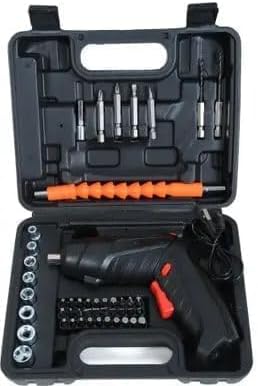
شنطة مفك كهربائي
وفر 20%! اشترِ شنطة مفك كهربائي بسعر 225 د.ل فقط في ليبيا. متوفر حالياً، الدفع ع
🛒 تسوق الآن Libya Press
Libya's drug import bill surged to an estimated $4.5 billion in 2024 — nearly double the $3 billion recorded one year earlier. On June 14, 2026, Health Minister Mohamed Al-Ghouj traveled to Cairo to confront this crisis, meeting with Egypt's Unified Procurement Authority (UPA) to forge a cooperation framework that could transform how Libya sources medicines, medical supplies, and healthcare infrastructure.
The meeting, held at UPA headquarters on the sidelines of the Africa Health ExCon 2026 exhibition and conference, brought together senior officials from both countries. It addressed pharmaceutical supply, medical industry localization, training programs, and healthcare infrastructure — a sweeping agenda that reflects the depth of Libya's healthcare challenges and Egypt's growing role as a regional medical manufacturing hub.
Hisham Stait, chairperson of Egypt's UPA, presented the Libyan delegation with a compelling case for partnership. He revealed that Egypt's pharmaceutical manufacturing base has expanded from approximately 150 to nearly 180 factories — a 20% increase driven by the UPA's centralized procurement model and aggressive localization incentives. The authority is one of five key institutions established to modernize Egypt's healthcare system, responsible for procuring pharmaceuticals, medical supplies, and medical devices at scale.
Stait outlined a commercial toolkit designed to make local manufacturing viable: off-take agreements that guarantee state buyers, guaranteed market shares reserving a portion of public procurement for local producers, strategic medical warehouses built to international standards, and centralized procurement that gives the state the volume to back its commitments. For Libya, this model offers a potential blueprint for reducing import dependency and building domestic capacity.
Minister Al-Ghouj praised Egypt's leading role in advancing healthcare systems across the region, expressing Libya's strong interest in drawing on Egyptian expertise. "Egyptian medical products meet high-quality standards and hold internationally recognized certifications," Al-Ghouj stated, positioning them well to support the development of Libya's healthcare sector and improve medical services for Libyan citizens.
The Libyan delegation expressed particular interest in Egypt's strategic warehouse model, describing it as "a leading example of modern medical supply chain management." These facilities, built to international standards, use advanced infrastructure and smart operating systems to maintain secure stockpiles of medicines and medical equipment — a system Libya now wants to study and potentially replicate.
For ordinary Libyans, the Cairo meeting could mean tangible improvements in healthcare access and affordability. Libya's domestic pharmaceutical industry has remained underutilized since 2011, with political instability stalling local production. Egyptian firms like Eva Pharma have already built supply relationships with Libyan buyers, and efforts are underway to register more Egyptian-made drugs with Libya's Ministry of Health. The two countries are also exploring joint ventures to export pharmaceuticals into West African markets — a vision that could position Libya as a regional healthcare logistics hub.
Both sides agreed to maintain coordination in the coming period to advance cooperation in healthcare services, pharmaceutical supply, and medical industry localization — a reaffirmation of the historical ties between Cairo and Tripoli that could bring tangible relief to Libyan citizens facing rising drug costs and unreliable supply chains.
— LibyaPress / Health Desk