ملعقة إلكترونية ميزان
وفر 54%! اشترِ ملعقة إلكترونية ميزان بسعر 159.36 د.ل فقط في ليبيا. متوفر حالياً،
🛒 تسوق الآن Libya Press
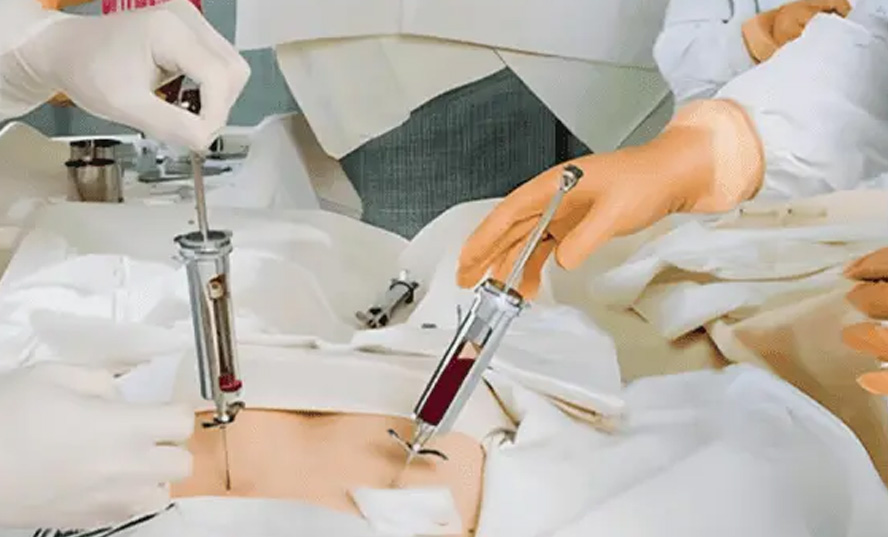
Libya and Italy have strengthened their medical partnership with a focused expansion of bone marrow transplantation cooperation, the Libyan Ministry of Health announced. The initiative includes specialized training programmes for Libyan medical personnel and the transfer of critically ill children to Italian hospitals for urgent care.
The agreement builds on existing diplomatic ties between Tripoli and Rome, where healthcare collaboration has emerged as a cornerstone of bilateral relations. At the heart of the deal is a commitment to treat 36 Libyan children suffering from serious oncological conditions, many of whom require immediate bone marrow transplants.
The first patient — a young boy with a severe form of leukemia — has already arrived in Rome accompanied by his mother for an emergency bone marrow transplant. He is part of a broader cohort of 36 children identified by Libyan health authorities as needing urgent oncological care that exceeds current domestic capacity.
According to the Italian government's official portal, the transfers are being facilitated through a dedicated medical corridor between Libya and Italy. Each child is accompanied by a family member, with travel, accommodation, and treatment costs covered under the bilateral health agreement.
Beyond emergency transfers, the cooperation framework includes structured training programmes for Libyan doctors and nurses in bone marrow transplantation procedures. Italian medical teams from Gaslini Hospital in Genoa — a leading paediatric hospital — will host Libyan specialists for hands-on training in transplant protocols, post-operative care, and long-term patient management.
The Libyan Ministry of Health emphasized that building local capacity is a strategic priority. By training Libyan medical staff in Italy's advanced transplant centres, the programme aims to reduce dependence on overseas treatment over time and establish a sustainable bone marrow transplant unit inside Libya.
This latest initiative follows high-level talks held in Tripoli in September 2025, where Libyan and Italian officials discussed broader healthcare cooperation including hospital twinning, doctor exchange programmes, and pharmaceutical manufacturing. The bone marrow transplant agreement is one of the most tangible outcomes of those negotiations.
Italy's Consul General in Tripoli, Orazio Schilacci, has been closely involved in advancing health diplomacy between the two countries. The bone marrow programme reflects a model of cooperation where Italy provides specialized medical infrastructure while Libya works to develop its own healthcare capabilities for the future.
Libya's healthcare system has faced significant strain following years of instability, with shortages of specialized equipment and trained personnel in advanced fields like oncology and haematology. Bone marrow transplantation — a complex procedure requiring dedicated facilities, sterile environments, and multidisciplinary teams — remains unavailable in Libyan public hospitals.
The World Health Organization has identified the development of specialized medical services in Libya as a critical need. Partnerships such as the one with Italy represent a practical pathway to bridge the gap while domestic capacity is being built.
Officials on both sides describe the initiative as a first phase. The longer-term vision includes establishing a bone marrow transplant centre in Libya, staffed by locally trained professionals who have completed their specialization in Italy. Equipment, protocols, and quality standards would follow Italian and European guidelines.
For the 36 children currently awaiting treatment, the agreement offers a lifeline. For Libya's healthcare system, it represents a step toward rebuilding specialized medical services that the country's population urgently needs.
The Ministry of Health confirmed that additional patient transfers will continue in the coming weeks, with further batches of children scheduled to travel to Italian medical facilities as beds become available.
— Libya Press / Health Desk