
مكواة شعر صغيرة لاسلكية
وفر 9%! اشترِ مكواة شعر صغيرة لاسلكية بسعر 316.8 د.ل فقط في ليبيا. متوفر حالياً،
🛒 تسوق الآن Libya Press
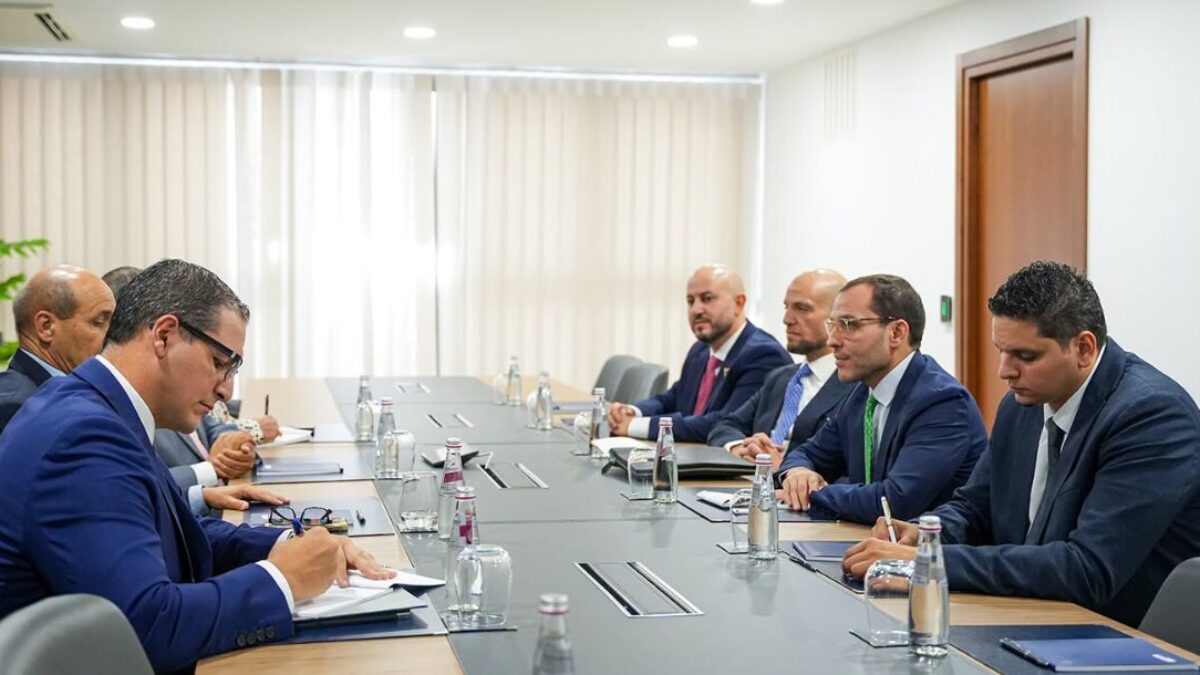
Libya and Malta have significantly intensified their diplomatic and security efforts to curb irregular migration across the Mediterranean. Recent high-level discussions in Valletta focused on establishing concrete, sustainable mechanisms to secure borders and dismantle the complex networks facilitating human trafficking.
The urgency of these talks comes as migration pressures in the Central Mediterranean continue to rise, placing immense strain on both the Libyan coastline and the Maltese archipelago. Both nations recognize that traditional containment strategies are insufficient without a deeply integrated, multi-dimensional approach.
The bilateral meetings emphasized that the challenge of illegal migration cannot be solved in isolation. Both nations agreed that a comprehensive approach is required, focusing on the total synchronization of maritime patrols and the sharing of real-time intelligence to detect smuggling vessels before they ever leave Libyan shores.
Officials highlighted that securing the southern Mediterranean is a shared priority. By enhancing joint surveillance, Libya and Malta aim to reduce the frequency of perilous crossings that frequently end in humanitarian disasters. The integration of satellite monitoring and drone surveillance was discussed as a way to create a "digital wall" of awareness along critical transit routes.
Furthermore, the discussions touched upon the importance of capacity building. Malta has offered technical expertise and training to Libyan coast guard personnel to ensure that interceptions are handled with professional precision and in accordance with international maritime law.
A central pillar of the new strategy is the aggressive pursuit of human smuggling rings. The discussions underscored the need for joint legal frameworks to facilitate the extradition and prosecution of traffickers operating between North Africa and Southern Europe.
The focus is shifting from merely intercepting migrants—which treats the symptom—to attacking the financial infrastructure of the trafficking industry, which is the cause. This includes advanced tracking of money trails, specifically looking into the use of unregulated remittance systems and digital currencies used by criminal networks to maintain their operations in volatile regions.
By freezing assets and dismantling the financial hubs of these syndicates, the two governments hope to make human trafficking a high-risk, low-reward venture, thereby naturally reducing the flow of migrants through these channels.
Interestingly, the discussions in Valletta were not limited to security. The two governments also explored enhancing cooperation in the energy sector. This strategic pivot suggests that Libya and Malta are looking to build a broader partnership based on economic interdependence to foster long-term regional stability.
Stability in the energy market is seen as a critical catalyst for economic growth. By investing in energy infrastructure and mutually beneficial trade agreements, the two nations believe they can stimulate economic opportunities in Libya, addressing the root causes of migration—extreme poverty and a lack of viable employment for the youth.
This "holistic stability" model argues that a prosperous Libya is the best defense against irregular migration, as citizens are less likely to risk their lives at sea when economic prospects are available at home.
While security is the immediate priority, both parties reaffirmed their unwavering commitment to international humanitarian standards. The talks addressed the need for more efficient and humane return mechanisms for migrants who do not qualify for asylum.
The goal is to create a structured system that balances the sovereign right to border control with the ethical obligation to protect human life at sea. This includes improving the conditions of detention centers and ensuring that the return process is transparent and respects the dignity of the individual.
Ultimately, the Valletta talks signal a shift toward a more mature, systemic relationship where security, economics, and human rights are treated as interconnected components of a single regional strategy.
— Libya Press / Politics Desk