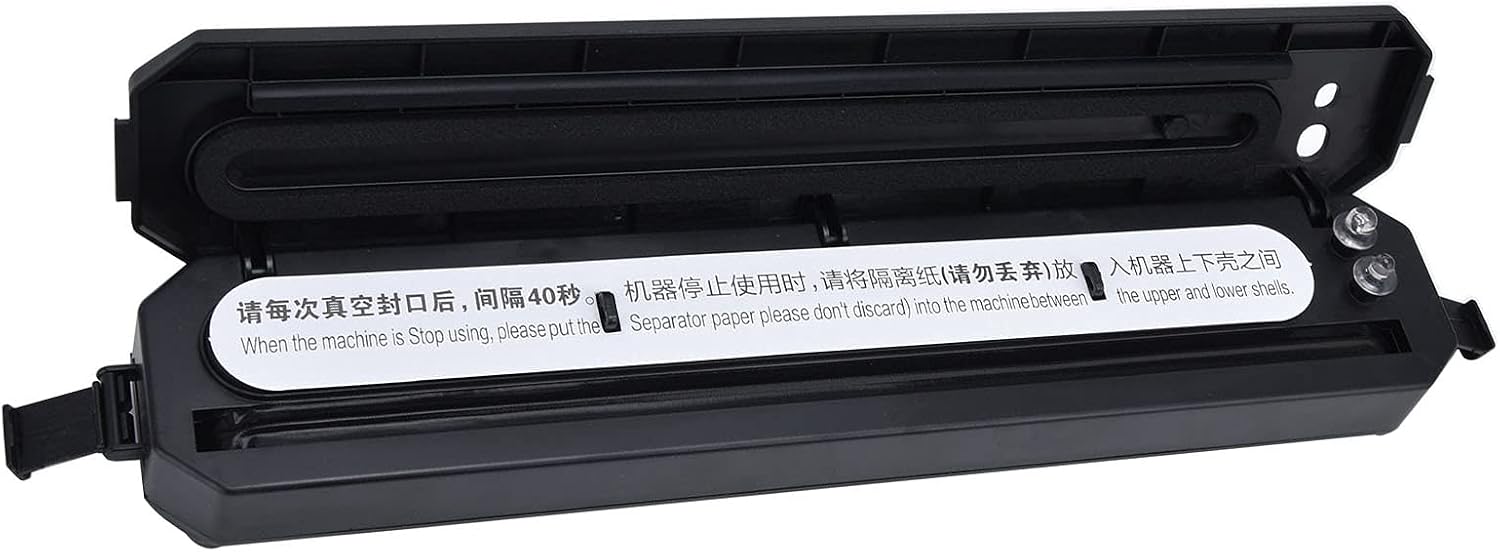
ماكينة التغليف بالتفريغ
وفر 4%! اشترِ ماكينة التغليف بالتفريغ بسعر 306.63 د.ل فقط في ليبيا. متوفر حالياً
🛒 تسوق الآن Libya Press
Libya's National Oil Corporation (NOC) announced Friday the discovery of a new oil field with estimated recoverable reserves of approximately 195 million barrels, marking one of the country's most significant upstream developments in recent years.
The field, named "Eassar," was discovered in the Sirte Basin — Libya's most prolific hydrocarbon region — through exploration work carried out by Austria's OMV. The B1-106/4 exploration well confirmed the commercially viable discovery, according to NOC's official statement.
The Eassar field is expected to achieve an initial production capacity of around 5,000 barrels per day (bpd), with potential for ramp-up as development progresses. NOC said further appraisal drilling will determine the full extent of the reservoir and optimal development strategy.
While 5,000 bpd is modest relative to Libya's pre-2011 production levels of 1.6 million bpd, the discovery is strategically significant. It signals renewed international investment interest in Libya's energy sector after years of political instability and infrastructure challenges.
The discovery reinforces Libya's standing as Africa's largest holder of proven oil reserves, with an estimated 48 billion barrels of crude. The Sirte Basin alone accounts for the vast majority of the country's production and reserves.
OMV, which has maintained a presence in Libya through multiple cycles of conflict and recovery, described the find as commercially viable — a strong vote of confidence in Libya's long-term hydrocarbon potential. The Austrian energy group has operated in Libya for decades and is one of several international firms maintaining upstream activities in the country.
Oil revenues remain the backbone of Libya's economy, accounting for more than 95% of export earnings and approximately 60% of GDP. Every new discovery contributes to sustaining production levels as mature fields naturally decline.
The Eassar discovery comes at a critical time. Global energy demand remains robust, and Libya's geographic location — a short shipping distance from European markets — gives it a strategic advantage. The NOC has been working to increase production capacity to 2 million bpd, though political and security challenges have made that target difficult to achieve.
Economists note that while 195 million barrels represents a meaningful addition to Libya's reserve base, the real economic impact depends on how quickly the field can be brought online and whether security conditions allow sustained development.
The Eassar discovery is part of a broader pattern of exploration activity in Libya. In recent months, the NOC has signed several new exploration and production-sharing agreements with international partners, signaling a gradual reopening of the country's hydrocarbon sector to foreign investment.
Libya sits on some of the largest untapped oil and gas reserves in North Africa, with vast portions of its sedimentary basins remaining underexplored. Industry analysts say the success at Eassar could trigger additional exploration campaigns from international oil companies looking to replenish reserves.
However, challenges remain. Security in parts of the Sirte Basin has been volatile, and the country's fragmented political landscape continues to pose risks for long-term investment. Pipeline infrastructure, export terminals, and maintenance capacity all require significant upgrades to support expanded production.
For ordinary Libyans, the discovery carries both promise and caution. Historically, oil wealth has been unevenly distributed, and revenues have often fueled conflict rather than development. The NOC has positioned itself as one of the few remaining national institutions that operates relatively independently of political factions.
If managed transparently, the Eassar field could contribute to much-needed revenue for public services, infrastructure, and economic diversification. Civil society groups have called for greater transparency in how oil revenues are managed and allocated across Libya's regions.
The NOC has stated it will provide regular updates on the field's development timeline as appraisal work progresses.
— Libya Press / Economy Desk