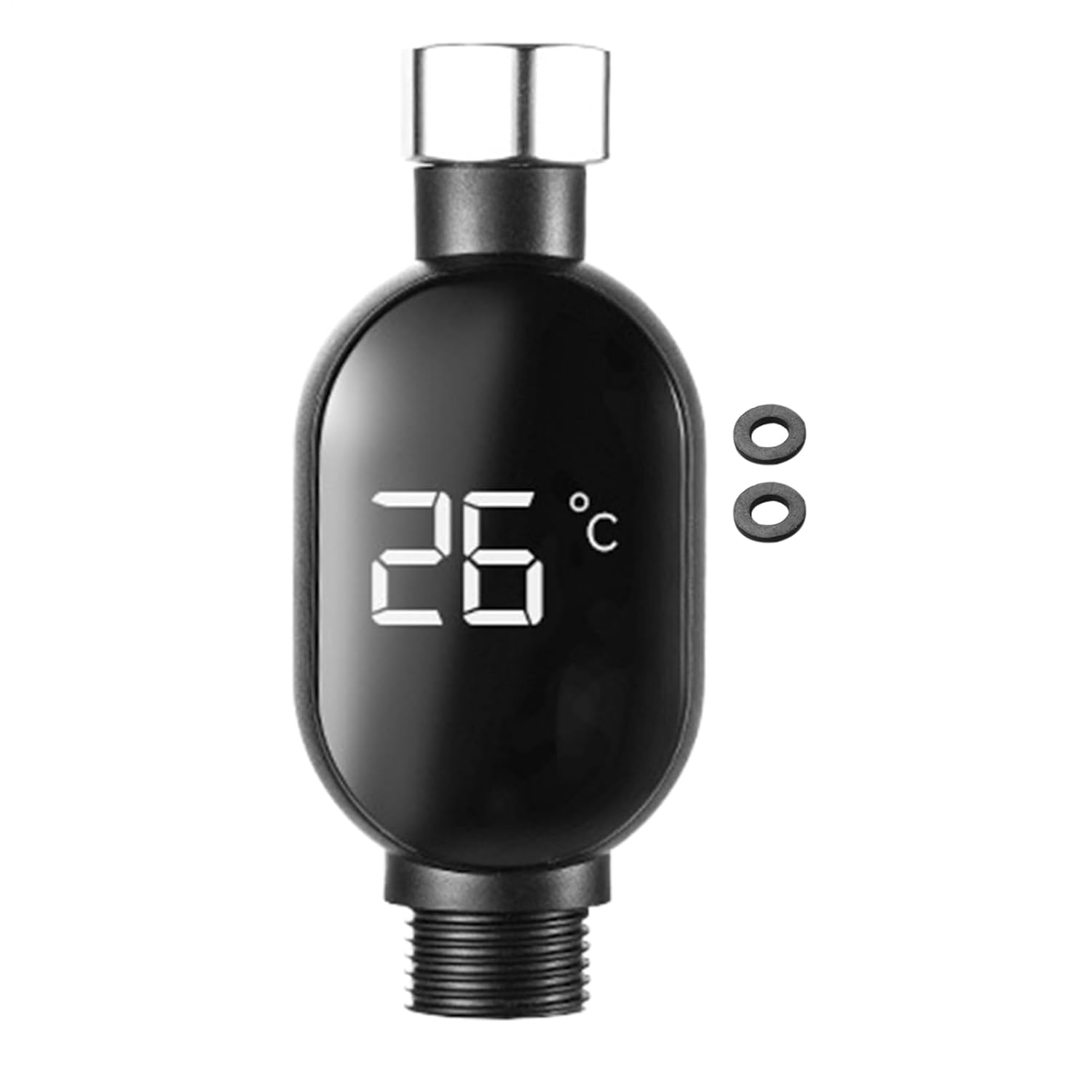
جهاز مراقبة درجة حرارة تدفق المياه
وفر 35%! اشترِ جهاز مراقبة درجة حرارة تدفق المياه بسعر 163.2 د.ل فقط في ليبيا. م
🛒 تسوق الآن Libya Press
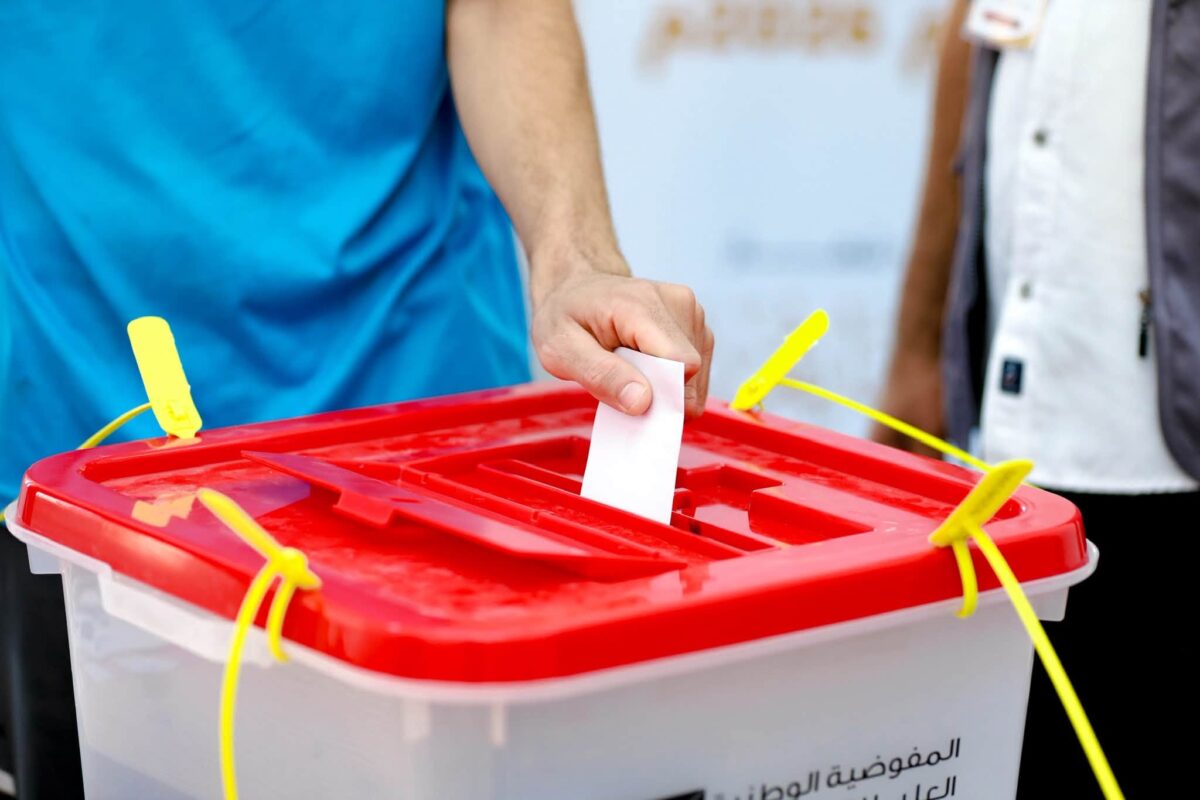
The Ministry of Youth of Libya's Government of National Unity announced on Sunday the preliminary results of the Local Youth Councils elections for the second phase, marking a significant step in the country's youth empowerment agenda. The announcement was made during a press conference held in Tripoli and broadcast through the ministry's official platforms.
The election process, which targets establishing youth councils at the municipal level across Libya, is designed to create institutional frameworks that enable young Libyans to participate actively in local governance and decision-making. The second phase builds on the success of the first phase held earlier this year.
During the press conference, ministry officials presented the detailed preliminary results for the second-phase elections, outlining the winning youth lists across participating municipalities. The event also included a comprehensive review of the implementation stages, from voter registration through polling day.
The Ministry emphasized that these elections represent a core component of a broader program aimed at supporting and empowering youth at the municipal level. By establishing formal institutional channels, the initiative seeks to strengthen youth representation in local community affairs.
A key feature of the announcement was the opening of the official appeals period. The Ministry confirmed that objections to the preliminary results will be accepted from the date of the announcement until July 15, 2026. This window gives candidates and lists the opportunity to review the outcomes and submit formal challenges.
According to the Ministry's statement, objections must be submitted by filling out the official electoral objection form and sending it to the Central Committee for Local Youth Councils Elections via email at: [email protected]. The appeals mechanism is part of the regulatory framework governing the electoral process, ensuring transparency and due process before the final results are certified.
The Local Youth Councils initiative represents one of the most visible efforts by the Government of National Unity to engage Libya's youth demographic — a population that constitutes a significant majority of the country. With youth unemployment remaining a persistent challenge and political participation limited in traditional structures, these councils offer a pathway for young Libyans to develop leadership skills, contribute to local development, and gain experience in public administration.
The Ministry of Youth has positioned the councils as a bridge between younger generations and local authorities, enabling dialogue on issues ranging from education and employment to infrastructure and cultural activities. The councils are expected to serve as advisory bodies that amplify youth voices in municipal decision-making.
Following the conclusion of the appeals period on July 15, the Central Committee will review all submitted objections and issue final certified results. Successful candidates will then undergo orientation and training programs before formally assuming their roles in the municipal youth councils.
The Ministry has indicated that planning for subsequent phases is already underway, with the goal of expanding youth council coverage to all municipalities across Libya. This phased approach allows for continuous refinement of the electoral process based on lessons learned from each stage.
The announcement has been met with positive reactions from civil society organizations and youth activists, who view the councils as a meaningful platform for engaging young people in shaping their communities. Observers note that the success of these councils could serve as a model for broader governance reforms in post-conflict Libya.
— Libya Press / Politics Desk